

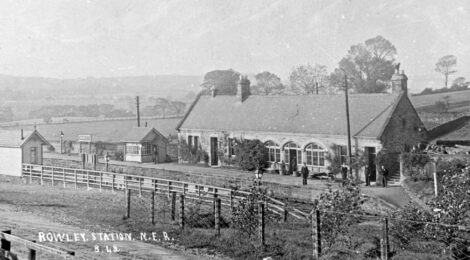
Rowley Station (at Beamish) – fifty year anniversary
This coming weekend we celebrate the fiftieth anniversary of the formal rededication and reopening of Rowley Station at Beamish Museum. It is my intention to cover the story of the reconstruction of the buildings that form the Rowley station complex in one of the forthcoming volumes titled ‘Beamish Transport Collection’, but it would seem appropriate to note this occasion and include some details about the specific history of the Rowley station building, and its context at Beamish. Other buildings form part of the wider Rowley Station exhibit, the signalbox being covered in a previous post, and the Goods Shed and Weighbridge not having been built in 1976.
Rowley Station gives our North Eastern Railway branch its most commonly used title, the station building itself originating from Rowley, on the Stanhope & Tyne route originating above Stanhope in Weardale, and running eastwards to South Shields. The route included inclines, which were bypassed in later years as the route became an established part of what was to become the North Eastern Railway network. A station existed at Cold Rowley from 1845 (simplified to Rowley from 1868), transfer of responsibility moving to the North Eastern Railway from the Stockton & Darlington Railway in 1863, resulting in an upgrade to the station in 1873 as the local community (Castleside) grew. Principle goods traffic through the station was stone (locally quarried Ganister) and agricultural produce.
The station at Rowley closed to passengers on the 1st May 1939 when passenger services between Consett (Blackhill) and Tow Law were withdrawn. The station building remained, sat alongside the now singled track, until the 1st May 1969, when the last trains from the sand quarry near Parkhead (reached via a reversal at Burn Hill, the next station south from Rowley) and the Saltersgate Ammunintion Depot (closed in March 1969) were operated. The track was lifted in 1970.
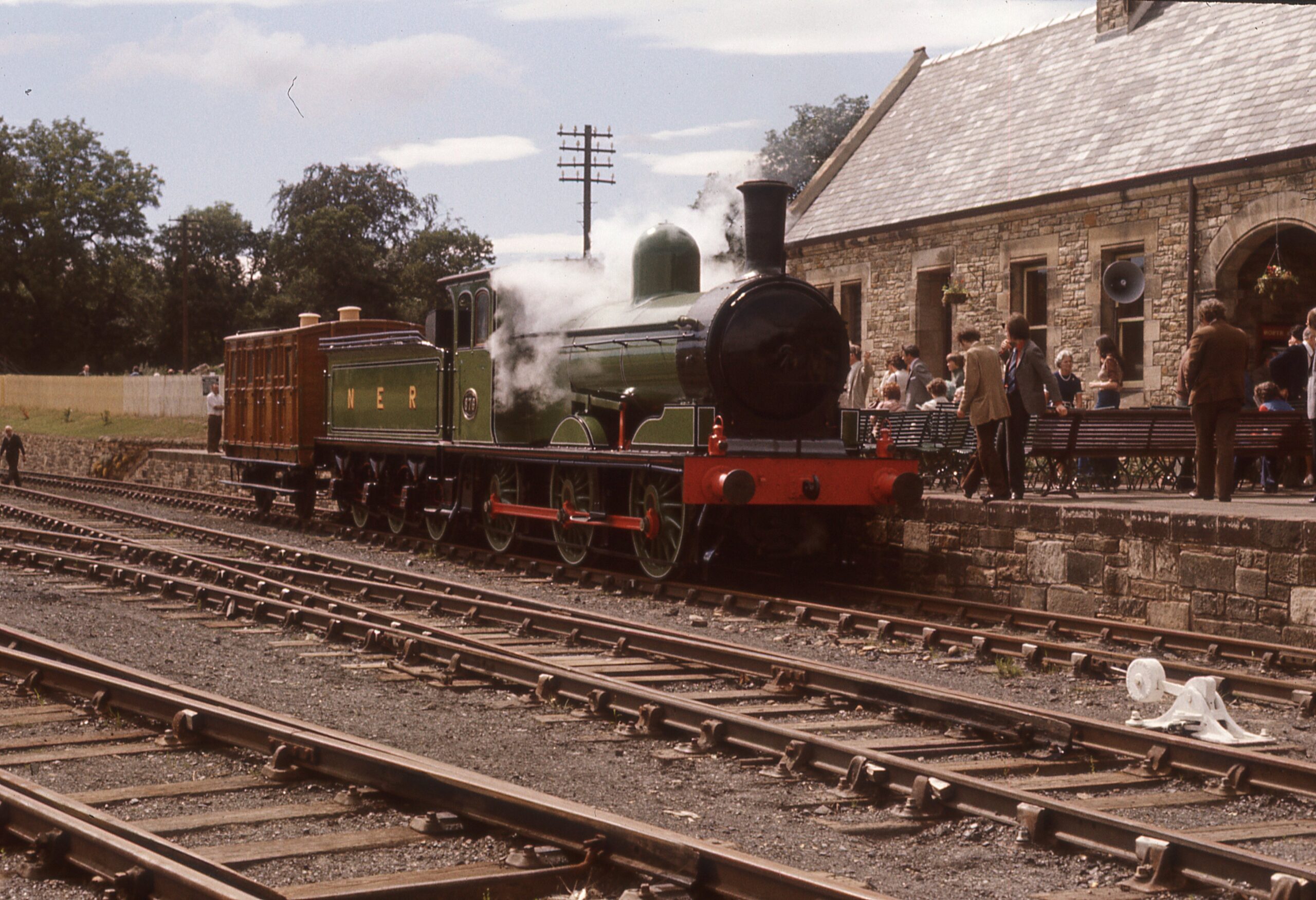
In 1972 the station building was dismantled and relocated to Beamish to form the heart of a recreated North Eastern Railway branchline station. The station was formally reopened by Sir John Betjeman, the Poet Laureate, on the 19th July 1976. He read a poem that he had penned for the occasion before waving away the NER C Class No.876, which was resident at the museum at this time (now under restoration for eventual operation at Kirby Stephen East – the Stainmore Railway). The photographic archive at Beamish has a comprehensive set of images of Rowley throughout its life (and transfer to Beamish), from where the following views have been taken…
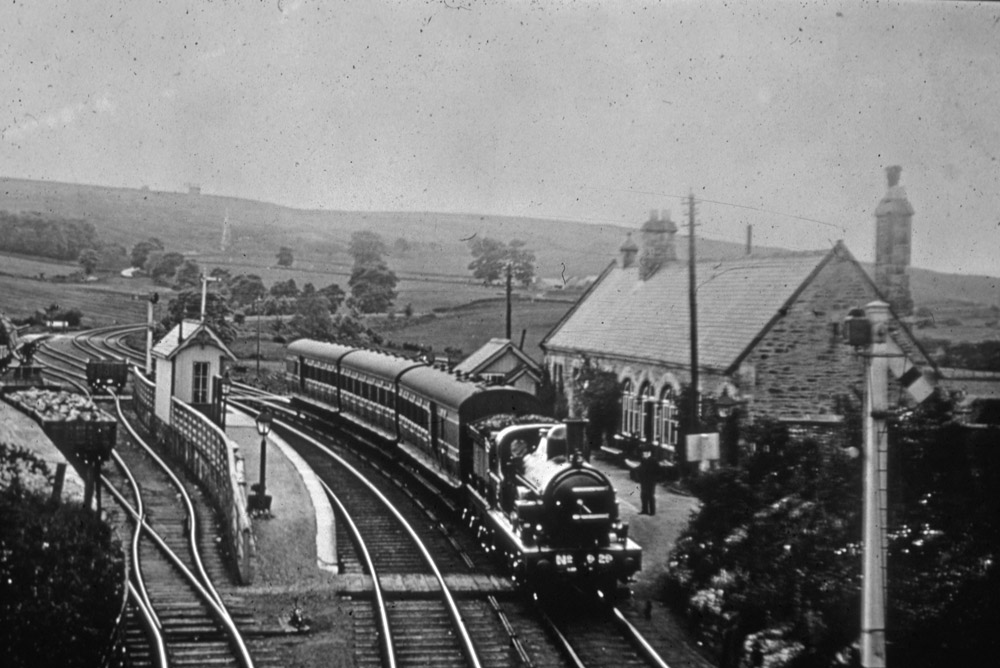
Below: North Eastern Railway 2-4-0 locomotive No.929 makes a call at Rowley with three elliptical roof coaches in tow. The locomotive was a member of the NER’s 901 class, designed under the supervision of Edward Fletcher (Locomotive Superintendent) and which first appeared in 1872, constructed by both the NER in its Gateshead works, and by outside contractors Beyer, Peacock & Co and Neilson & Co. This resulted in detail variations across the class, further differences being introduced as members of the class were rebuilt from 1884 onwards. Primarily designed as express engines, they were soon to become underpowered for such duties, as trains on the East Coast route became heavier, resulting in them being cascaded to secondary duties across the NER’s network. The last of the class survived into 1925, with one example being preserved in what is now the National Collection (No.910, on display at Locomotion, Shildon). Note that the station building has the wooden/glass screen within the arches, added c1910. This view is completely obscured today, the growth of trees hiding the railway’s formation in this location. The C2C cycle network (Waskerley Way section) follows the route and offers ample public access to the former railway (with a car park on the site at Rowley), and the stunning scenery that lies to the west (background to this photograph).
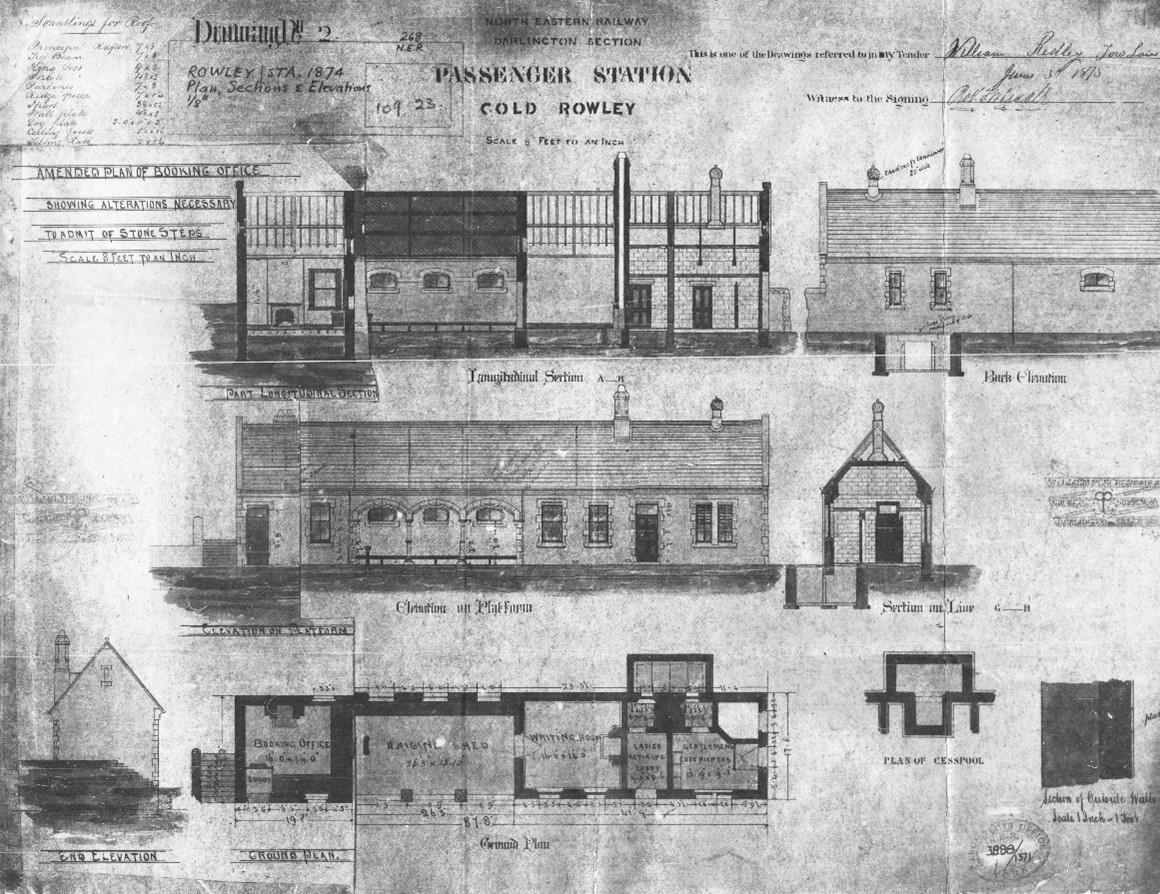
Below: Dated June 1873 (with an 1874 amendment to possibly reflect the as-built changes), this plan shows the station building proposed for Rowley (still named Cold Rowley on the drawing). William Ridley of Tow Law was the successful contractor to tender for the construction of the building.
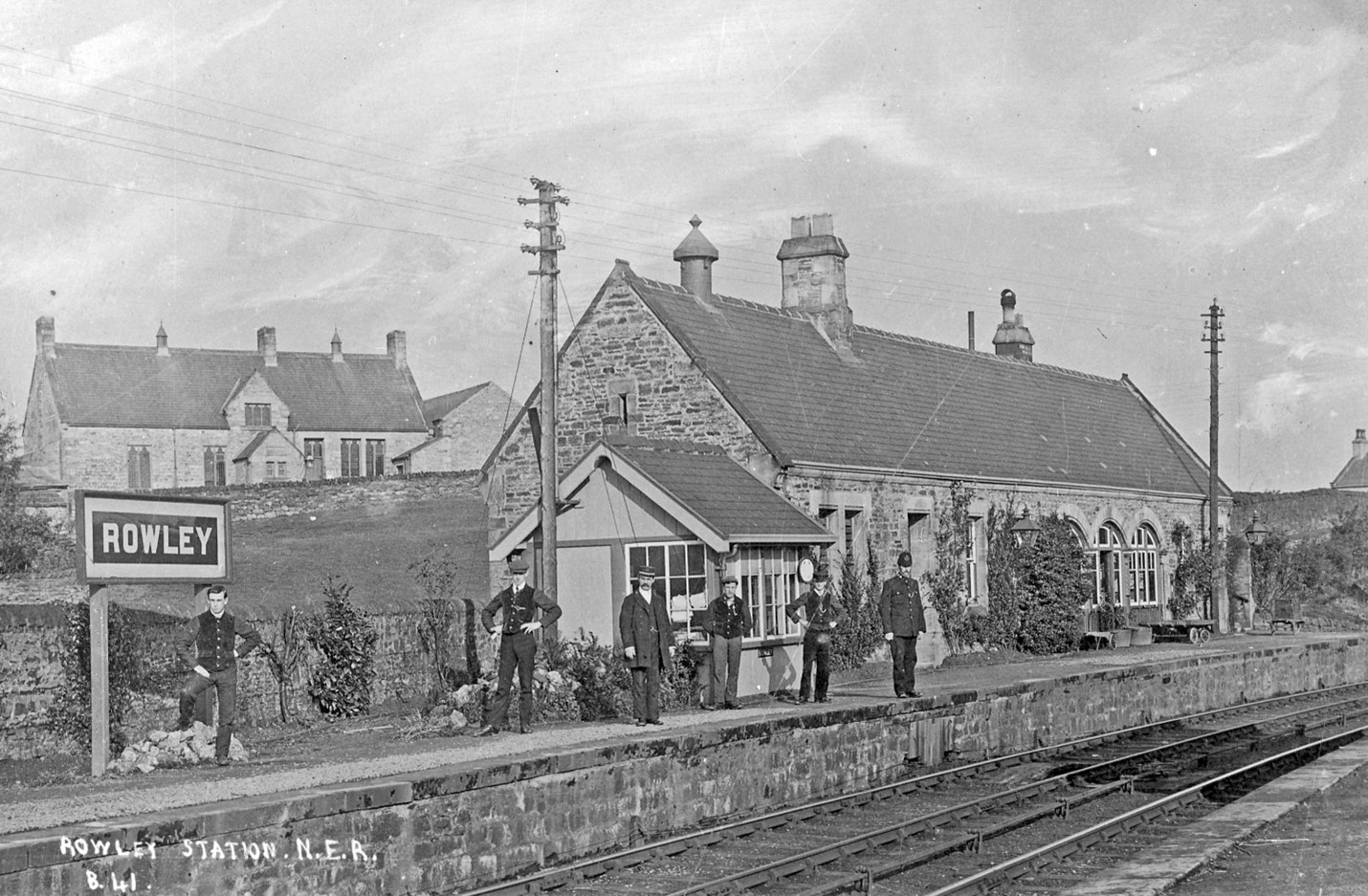
Below: A classic view of the station and one which repays careful study to enjoy the amount of detail captured in this view. The positions of the two telegraph poles was repeated at Beamish, to set the building into the correct context in its new location.
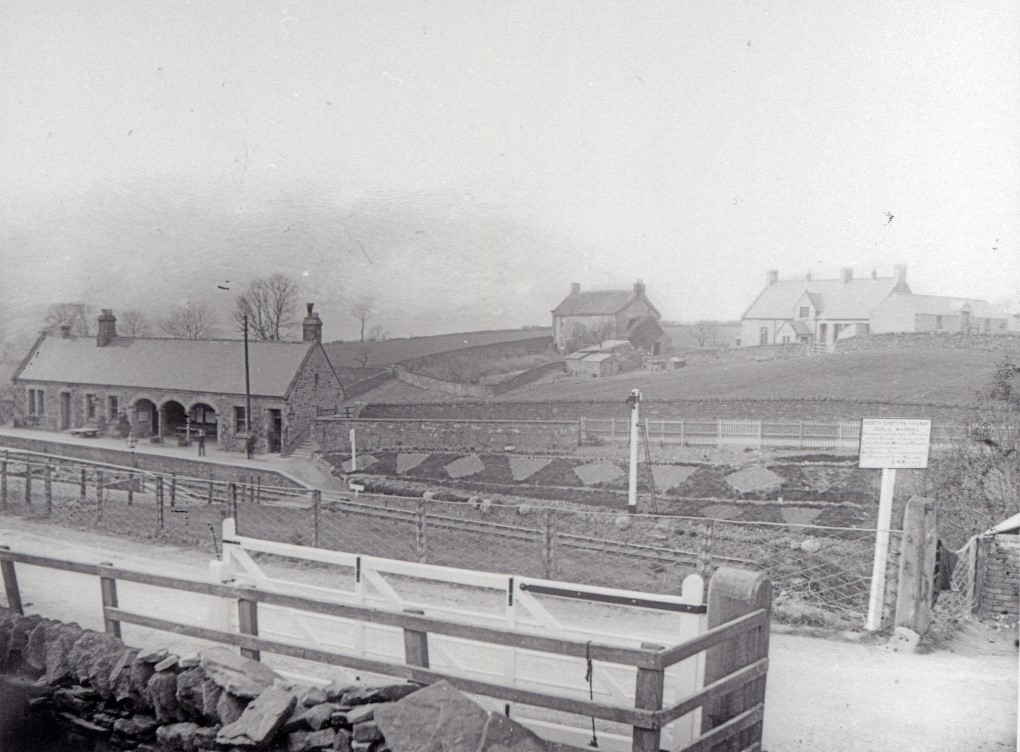
Below: This early view looking across the goods yard entrance shows the station building looking relatively new, and still with the open fronted waiting area. A tipping dock was created onto the siding out of sight below the mesh fence. This was for Ganister from local quarries, transported to Rowley and tipped into railway wagons for onward movement. In the background the Baptist Chapel and Sunday School are prominent, the Stationmaster’s house being on the other side of the road, which crosses the railway on a bridge to the right of this scene.
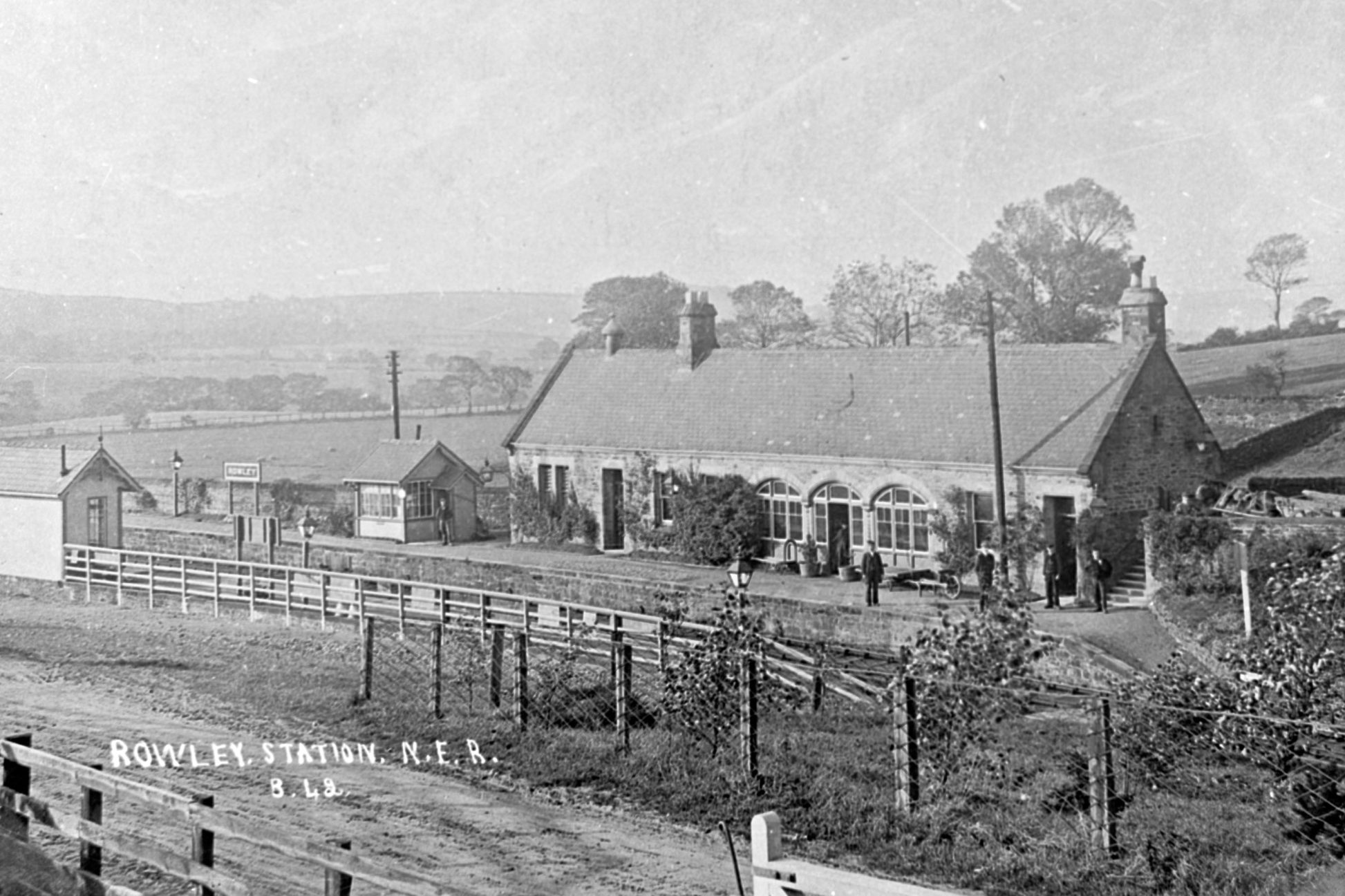
Below: A later view, with the screens fitted (c1906) to the waiting area (for rather obvious purposes, given the former name of the station!). Also visible is the waiting shelter on the island platform and the platform-mounted signalbox.
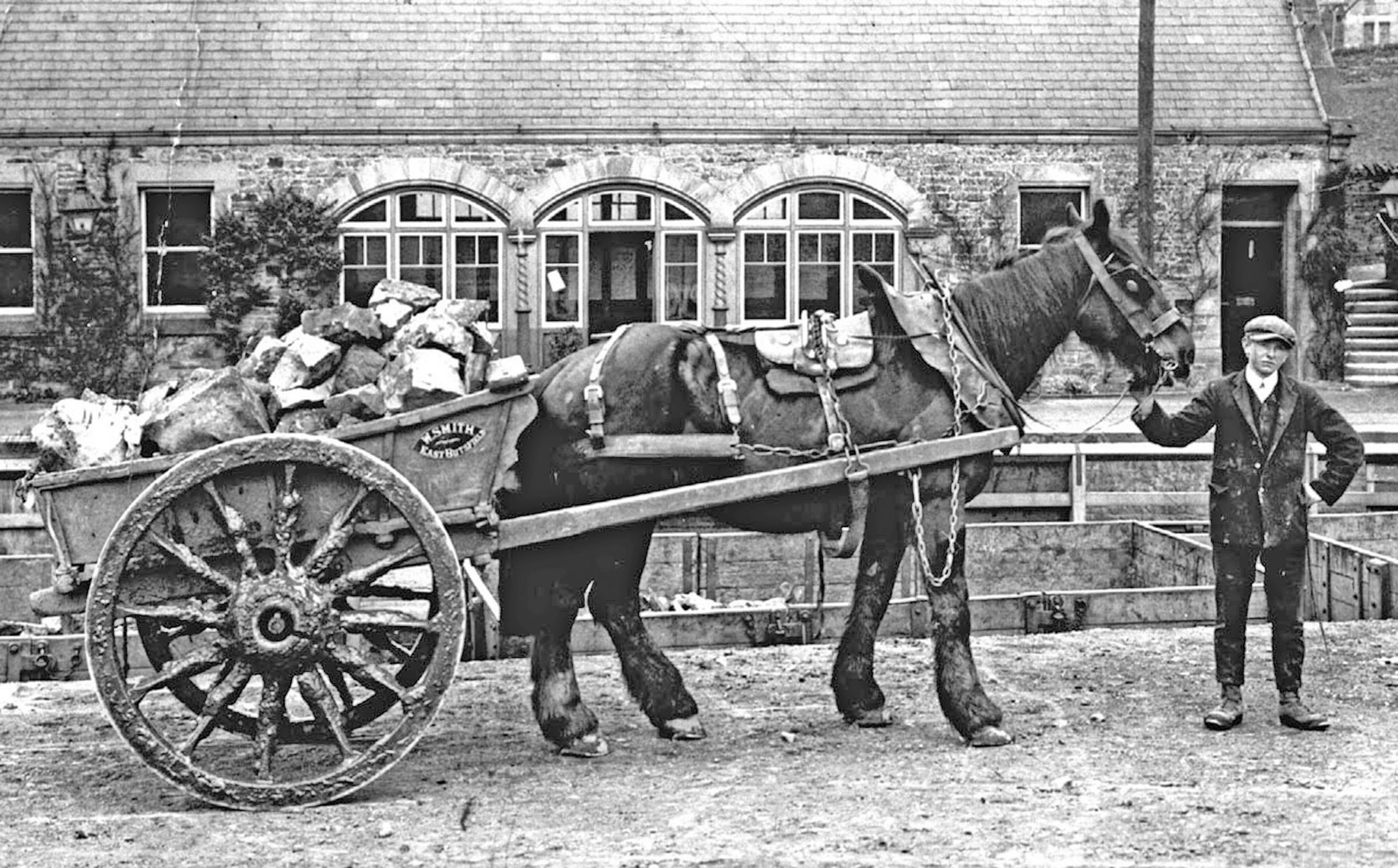
Below: W. Smith of East Butsfield operated this tip-cart, seen preparing to deposit its load (presumably of Ganister – Limestone) into waiting wagons, seen behind and below.
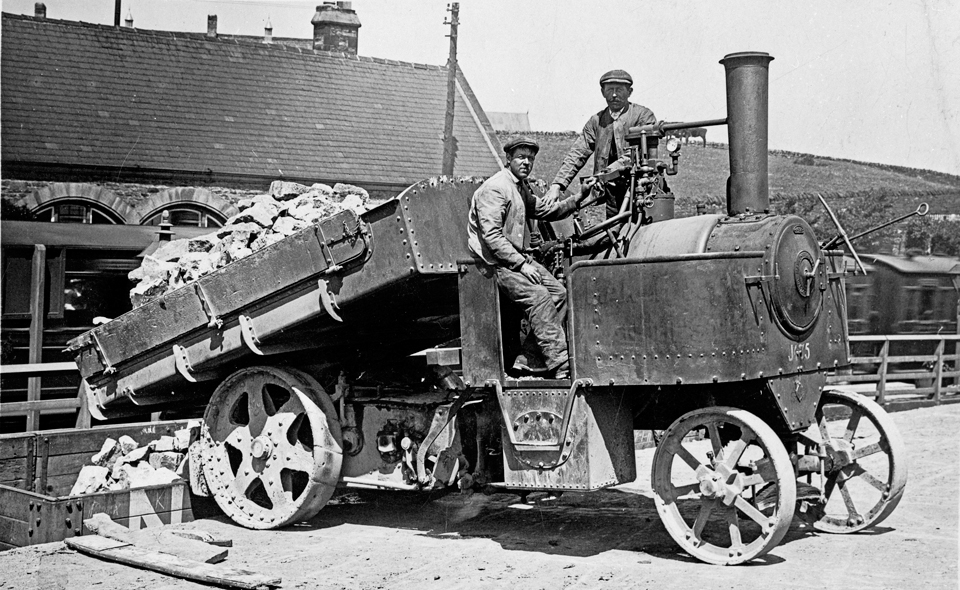
Below: Replacing horsepower, this steam lorry was manufactured by Mann’s Patent Steam Cart and Wagon Company in Leeds. It is shown depositing its load into the waiting wagons as a train arrives/departs from the station in the background. The steam lorry has has attracted a great deal of dust from its visits to the quarry. Note the ‘greedy’ boards folded down on the side of the body – used for lighter, higher volume loads but not required with the heavy rock being handled here. The image notes state that the driver was Joe Marsh, seen seated in this view.
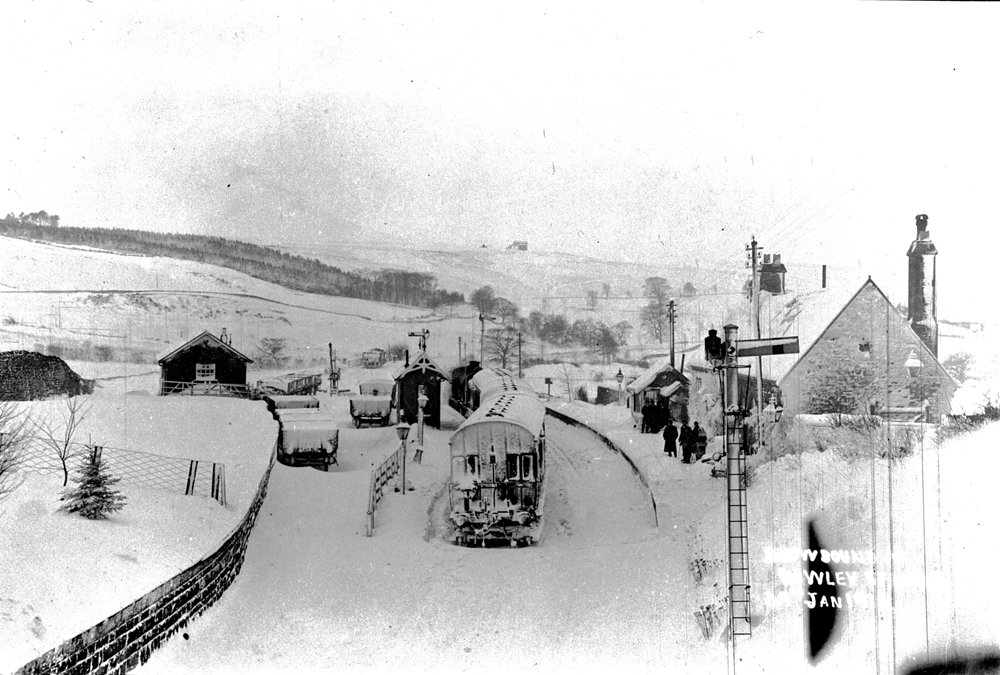
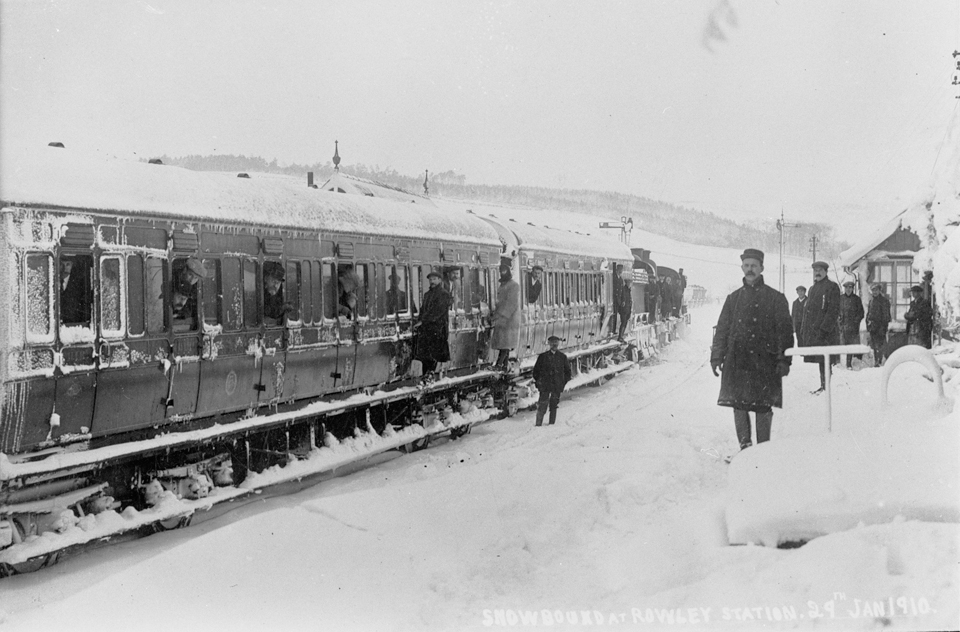
Below: These two scenes amply demonstrate the ‘Cold Rowley’ origin for the first station name. The notes on the file state: Rowley Station after a heavy fall of snow. 29th January 1910 6.20 pm Blackhill – Darlington train was held up at Rowley from 6.53 pm on Friday 28 Jan to 4.30 pm on the 30 Jan because the line ahead was blocked by snow. Info from Mr G W Bainton: His father, Mr G R Bainton, the stationmaster is on right. This particular incident started on Friday 29th January 1910, a day of heavy snow and difficulty was experienced in keeping the line open to Burn Hill. The ‘ploughs’ derailed at Burn Hill on starting the last run for the last Blackhill to Saltburn train. A ‘pilot’ from Consett shed (the 0-6-0) was leading, but it was hopeless to go forward and impossible to go back to Blackhill. This was about 6.30pm and we were really cut off. I was decided to keep the steam heating on by shovelling snow into the loco tanks. There were about 17 people on the train including the loco crew, but only one lady. She spent the night in the station house, the others remained in the coaches. When daylight came, it was found that the drifts were up to 12ft. My mother had a great deal of food in stock, but that soon went down. A huge joint for a farmer living 3 miles away was cooked. The lady passenger helped in the home whilst stranded. By Sunday afternoon the road was cut through to Castleside, this is how the photos were able to be taken. Late that afternoon the plough made it. The approach to Rowley Station was down the side of a north facing hill and the view of the ploughs coming down was marvellous, with snow being sprayed quite a distance. Of course the line could only be opened as single line working. In view of any possibly troubles, both locos set off with only one coach each. At the time I was only 9 years old, but it was something never to be forgotten. In later years, my brother, the late Mr J G Bainton met and married the niece of the ‘stranded’ train’s fireman”
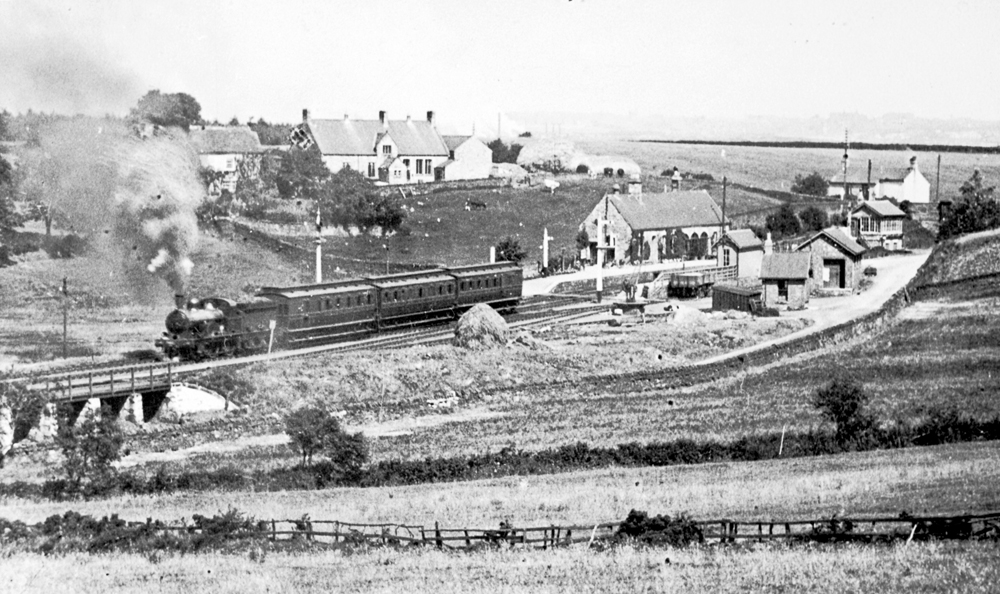
Below: A train departs eastwards towards Tow Law, revealing Rowley Station as it does so. Note the island platform, goods shed and signalbox. The hay stack alongside the train is of note, likewise the whitewashed Stationmaster’s House beyond the road, above the signalbox. Many of the historic photographs were taken by William Bainbridge who lived in Castleside, a short distance away. he created this rich archive from which we are very lucky to be able to draw out the information captured on his visits to the station.
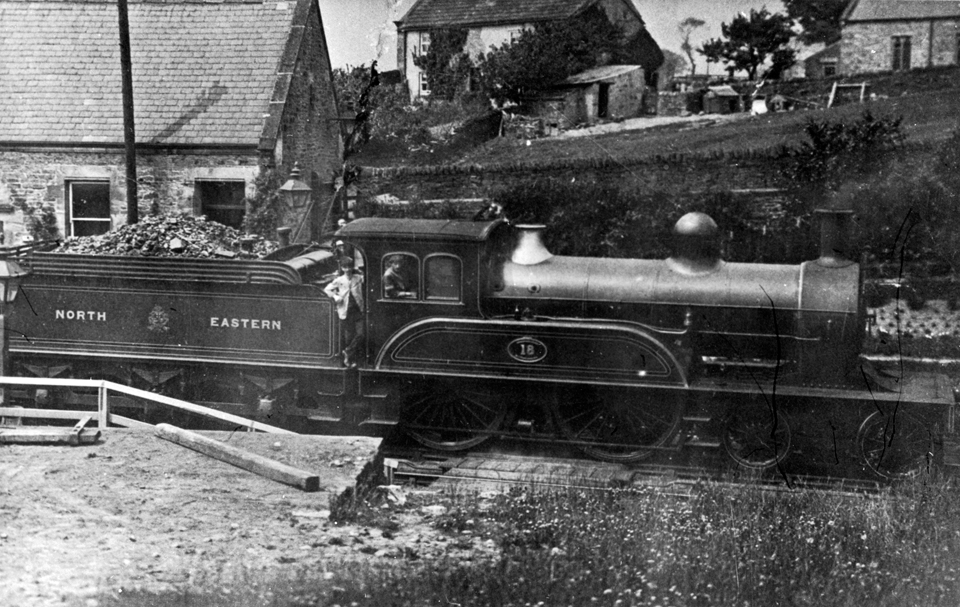
Below: NER No.18 was one of the Class F 4-4-0 tender locomotives that had a complicated history and were subject to numerous rebuilds across the 37 examples that would eventually form the total number of locomotives in this class. The elegant 1887 built Victorian locomotive is seen at Rowley heading west. Dunrobin’s arrival next year will bring another elegant four-coupled Victorian locomotive to the scene – sadly no Class Fs survived – No.18 being withdrawn by the LNER in 1929.
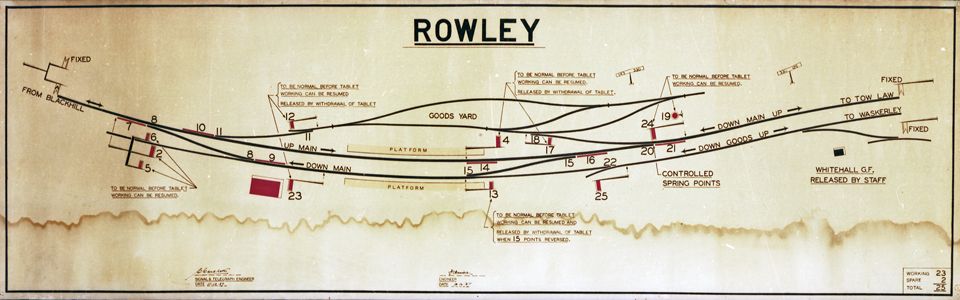
Below: A copy of the 1937 signalling diagram, showing the single line arriving from Blackhill (Consett) and the double-track running lines to Tow Law and the original route towards Waskerley, there being a coal depot at Whitehall, located on the original pre-deviation formation that took the direct route, up Nanny Mayors Incline to Waskerley (station opened 1845, closed 1859).
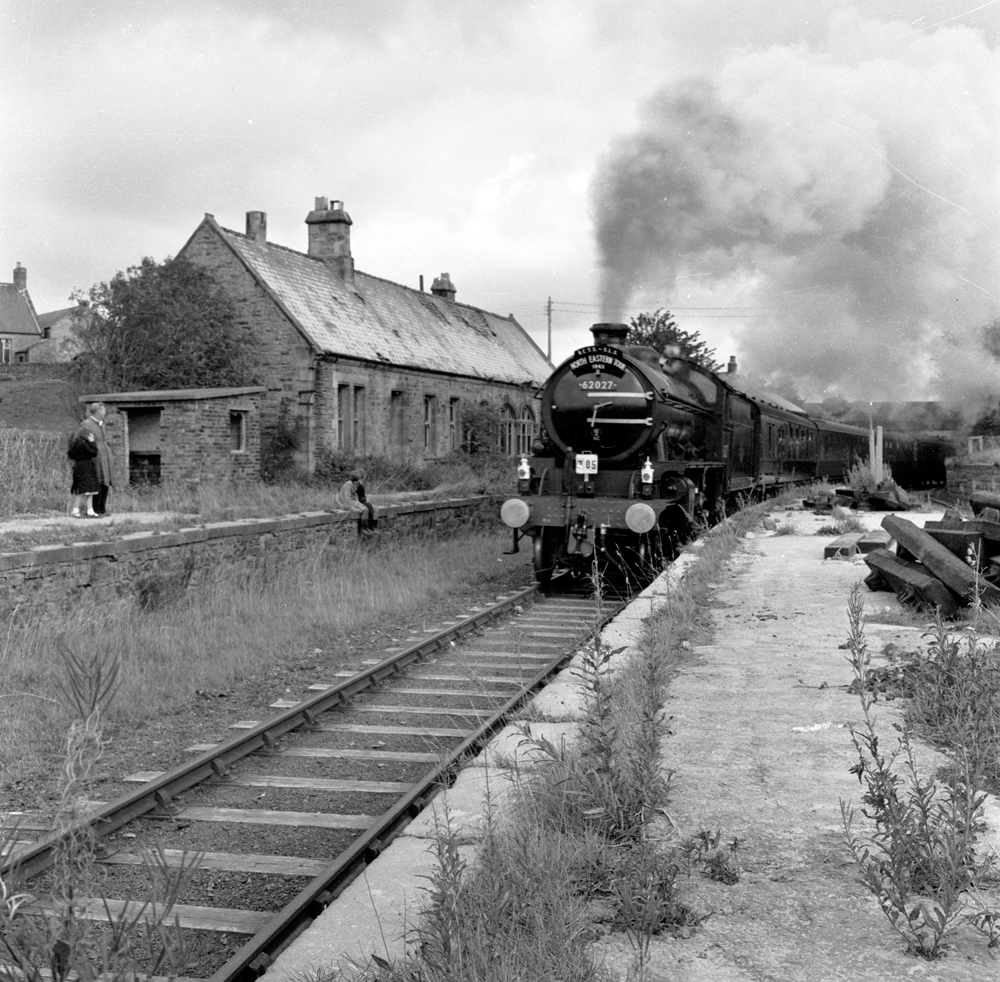
Below: Steam locomotive No 62027 passing through the derelict Rowley Station with a North Eastern Rail tour organised by the Stephenson Locomotive Society. 28th September 1962. The single-line through the station is clearly visible, the station not having seen a passenger since 1939.
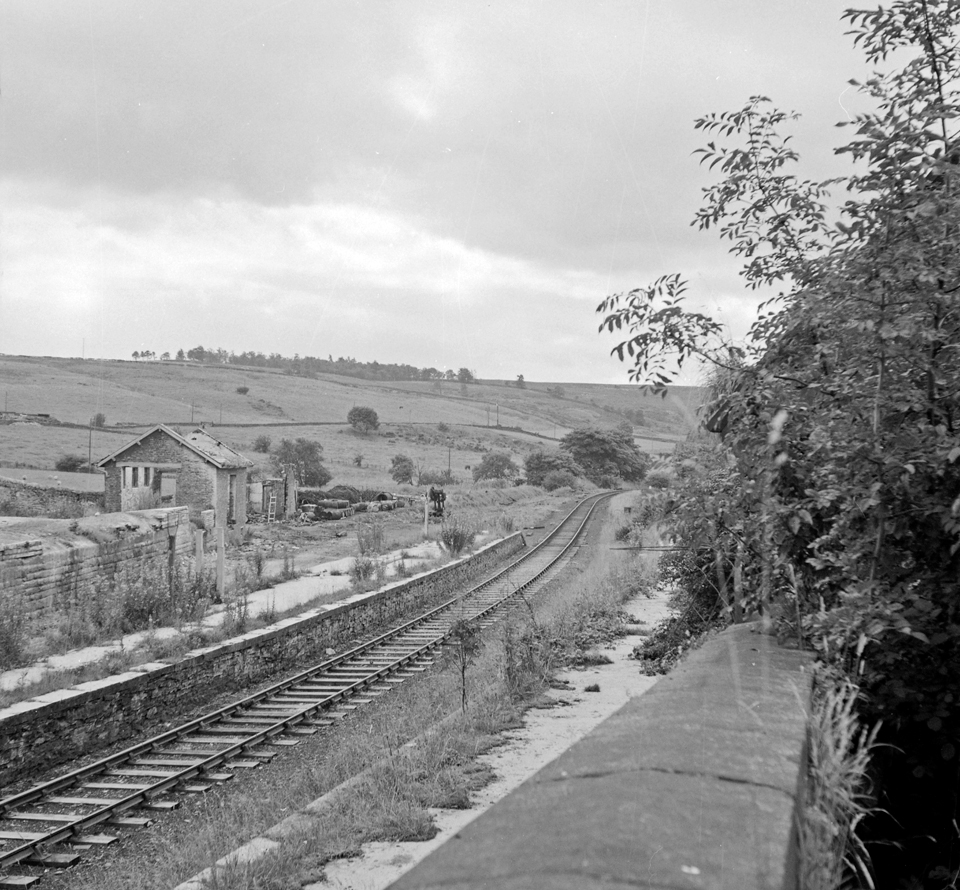
Below: By 1966 the station was little more than a landmark along the route to Burnhill, where trains for the Ministry of Supply ammunition stores terminated, and those for the quarry at Parkhead reversed.
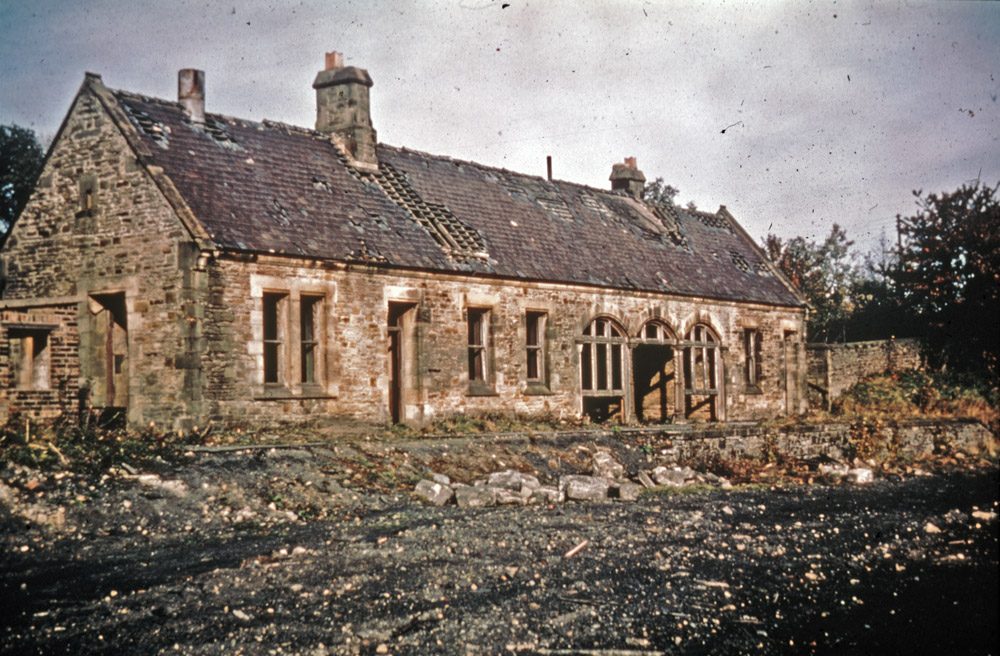
Below: The derelict station building, prior to dismantling and removal to Beamish. The track has been lifted and the building is starting to lose its roof, but it remains impressive and still an altogether promising proposition for relocation to the new museum just a few miles away.
Below: A closeup of the screens that were installed to fill the arches at the front of the building. Replicating this feature very much remains on the to-do list, as it would increase the versatility of the space. It would, though, mean some internal compromises to comply with building regulations – we would need to explore these and the probably requirement for a second means of egress from the waiting area and Ladies Waiting Room. Areas to explore and research before we commit to this as a project, no matter how desirable it may be.
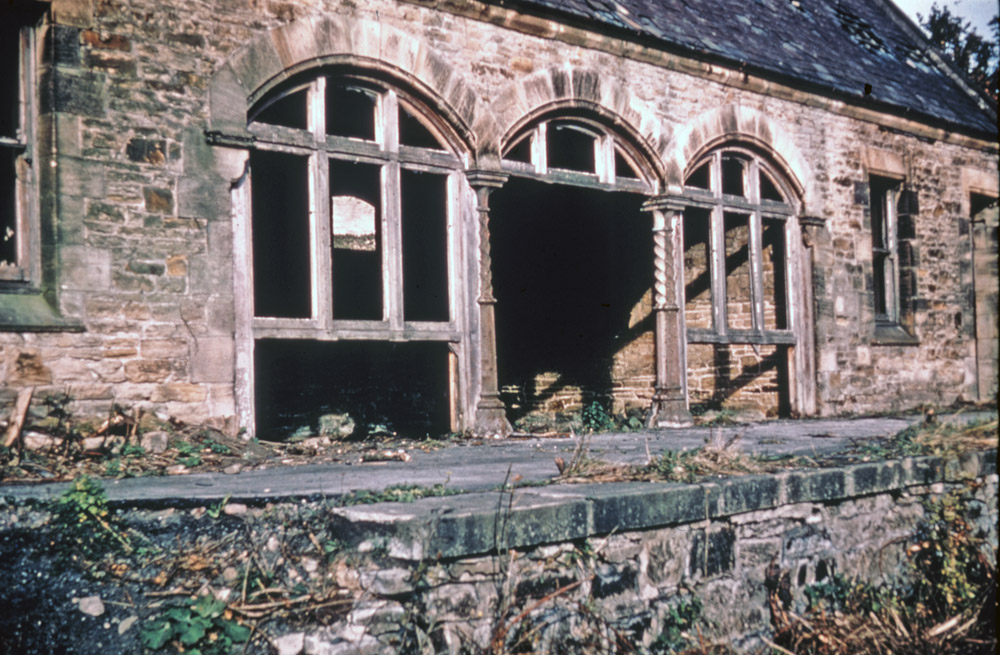
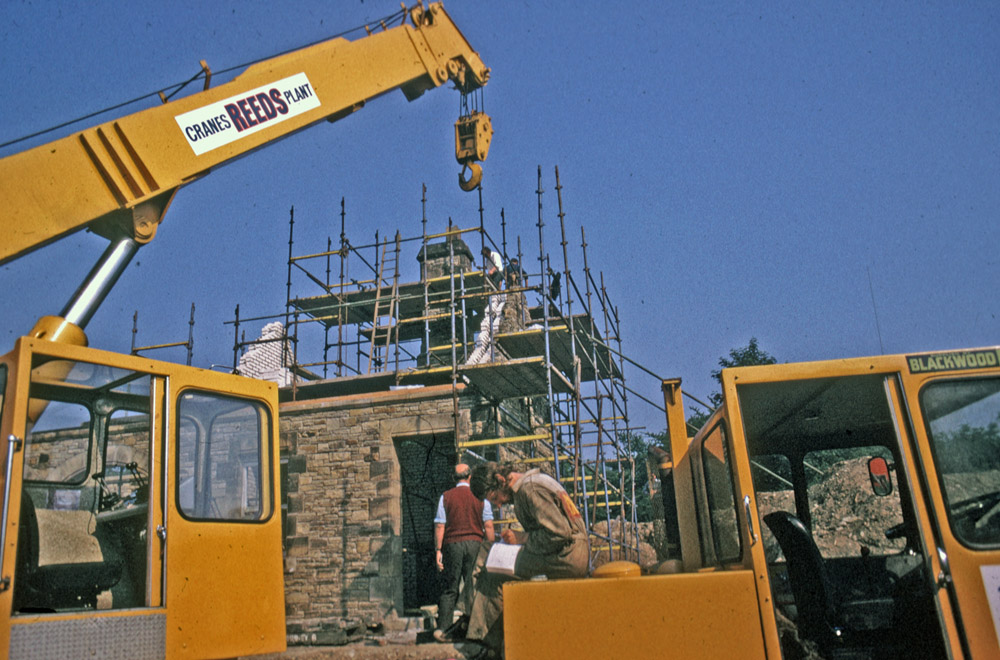
Below: Demolition or Reconstruction?! This is in fact the latter – great care was taken to re-set the building into the same setting as was originally the case at Rowley – including installing the raised approach, steps and telegraph poles in the correct, relative, positions.
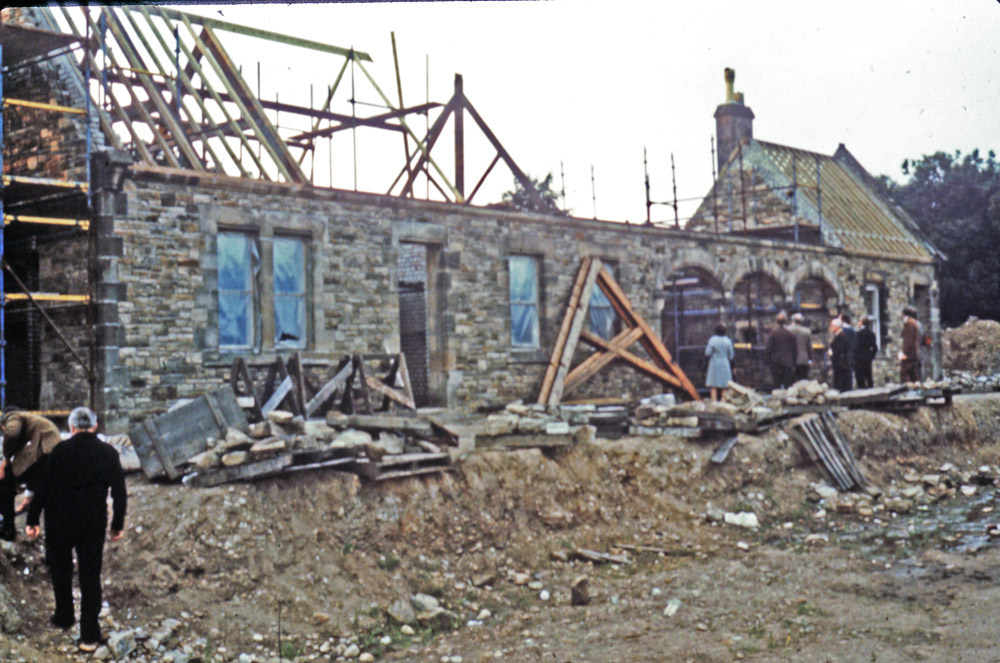
Below: the building was the first reconstructed at Beamish, and it rose up alongside the temporary sidings upon which some of the early rolling stock arrivals were placed – this view including the NER Birdcage Brakevan No.44842 (then incorrectly numbered) and the NER coaches that had arrived from storage at Consett Ironworks and were ex NCB Ashington (see earlier post on the blog about this collection). At this stage there is no platform or sidings, but the building very much set the station into the newly sculpted landscape on the northern flank of the museum’s visitor site (the land to the north across the Beamish Burn is also part of the wider estate, though not open to visitors).
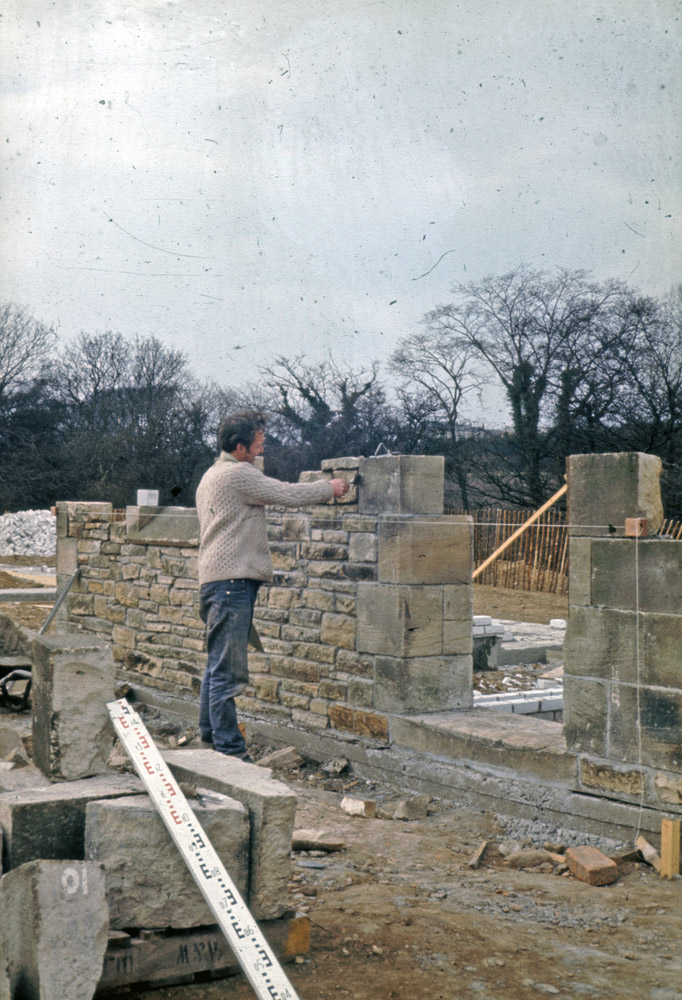
Below: A training scheme titled the Manpower Services Commission was established under the Employment and Training Act 1973 as a government training and job creation strategy. It gave organisations such as Beamish a tremendous leg-up in developing the site and early exhibits. The scheme ran from 1974 to 1988 and Beamish’s physical development was greatly assisted by its launch and ongoing activity – including the reconstruction of Rowley’s station building.
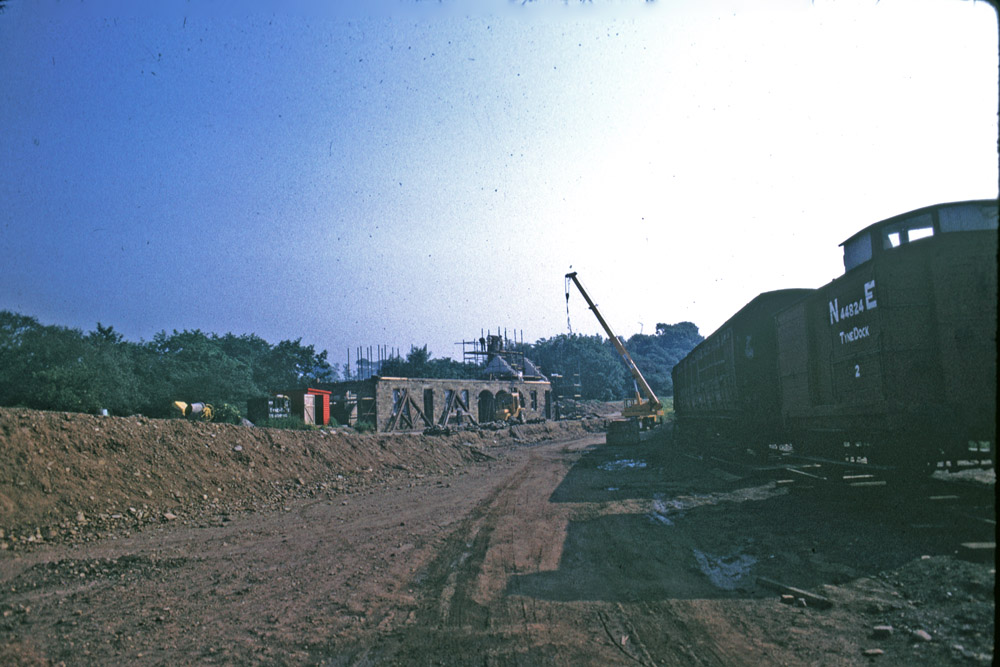
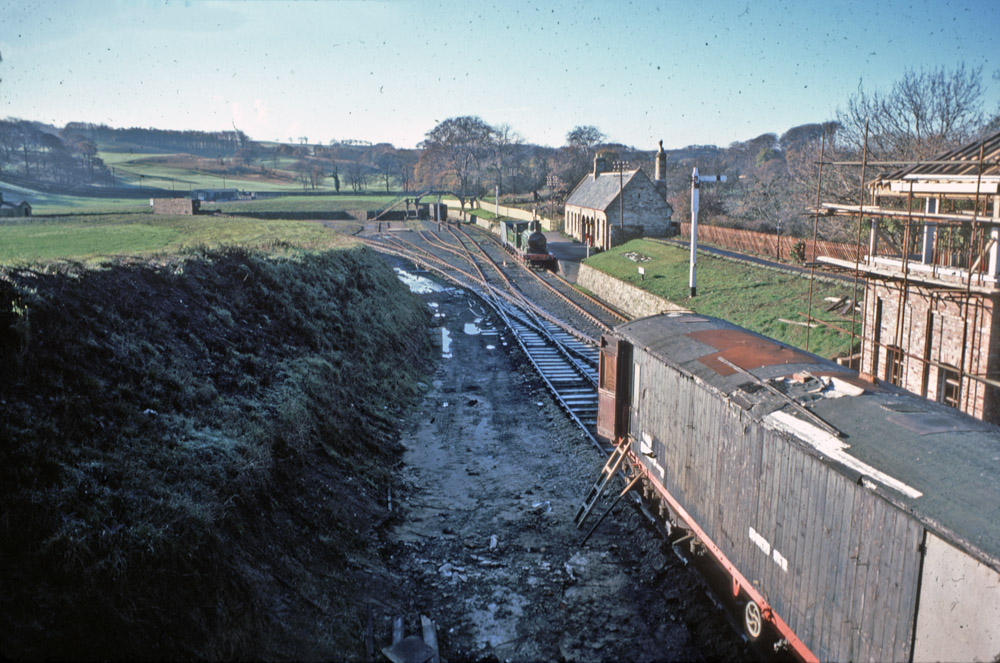
Below: The site begins to become recognisable by the mid-1970s. The main visitor entrance was in the building in the middle distance (the car park is empty, otherwise visitor cars would have been visible in the field beyond the station). The NER C Class sits on display whilst the Signal Box is taking shape to the right. The other goods yard buildings are yet to appear, but the ex Dunston NER footbridge is in position. In the foreground is the NER bogie Stores Van No.5523 (now restored at Kirby Stephen East). How the backdrop of this scene has changed, with the presence of the Regional Museum Store ‘Waggonworks’ dominating this view now.
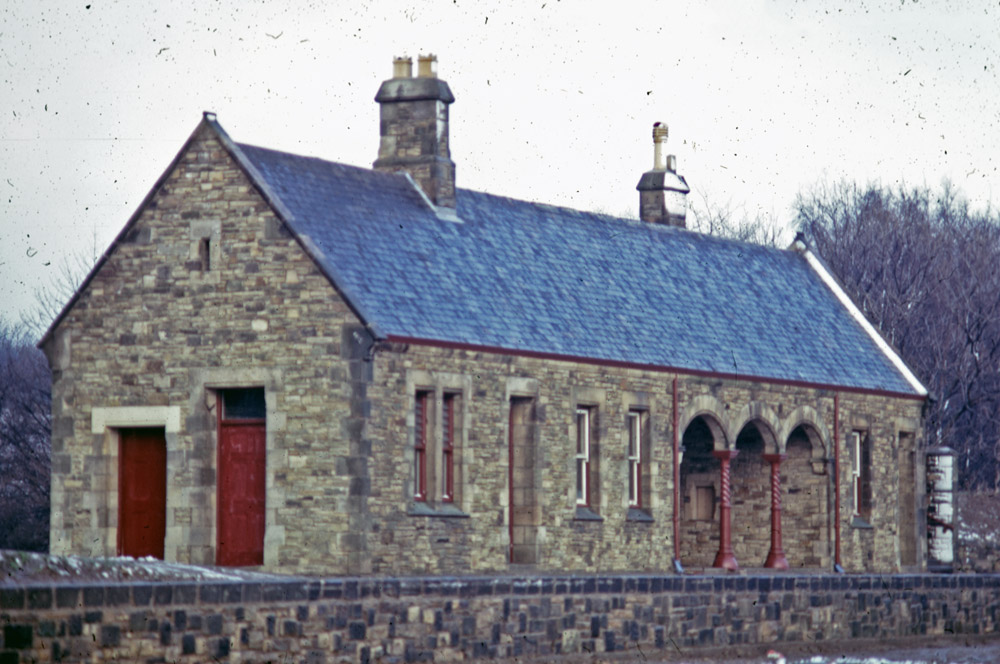
Below: The team in the mid 1970s must have been very proud of their work, and the reconstructed station. It was finished in Beamish Brown – we now use the correct NER colours, but how well it must have looked in what was then still a fairly empty landscape – and it would have been one of the first things seen by visitors arriving via the old entrance car park.
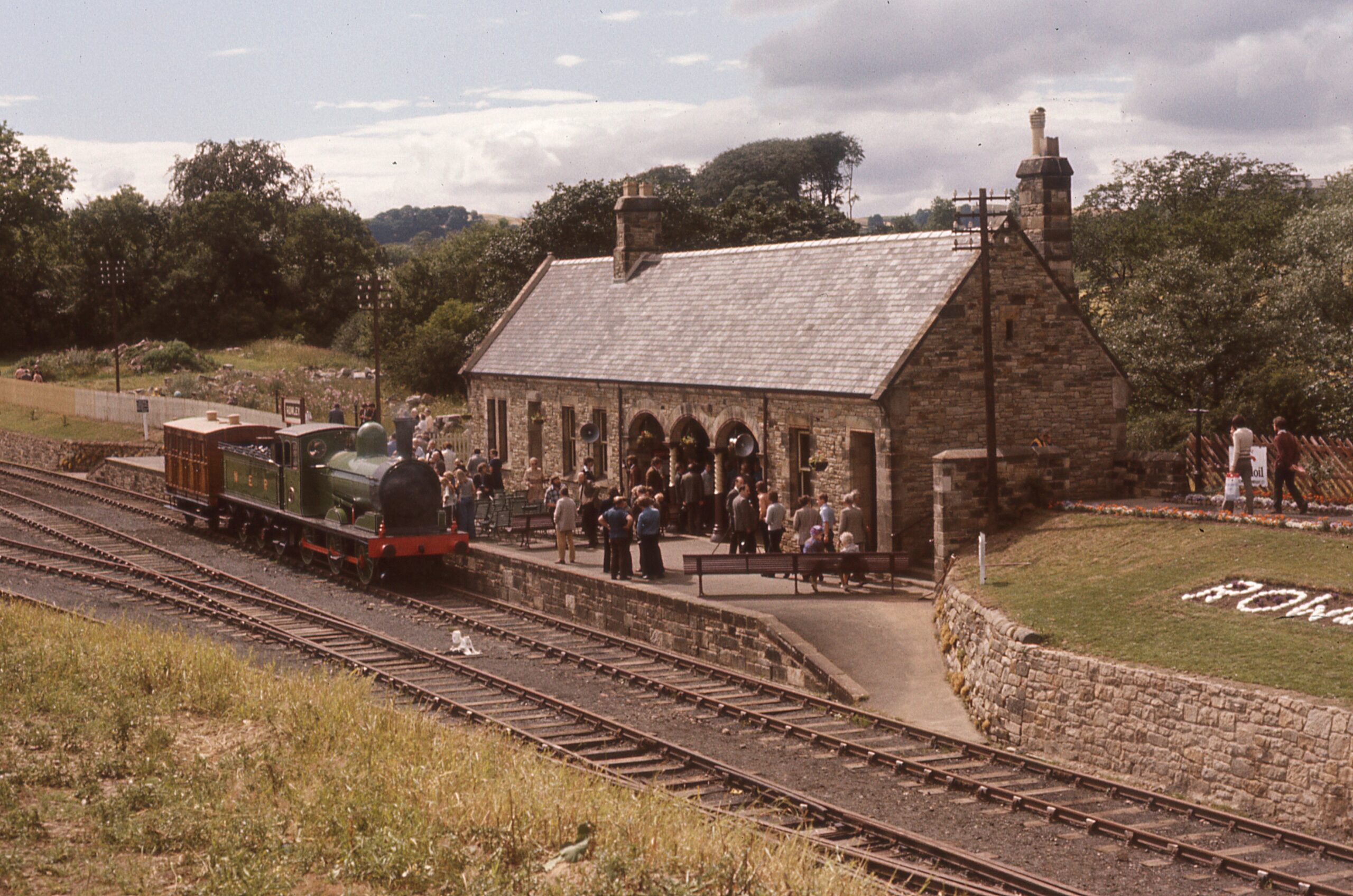
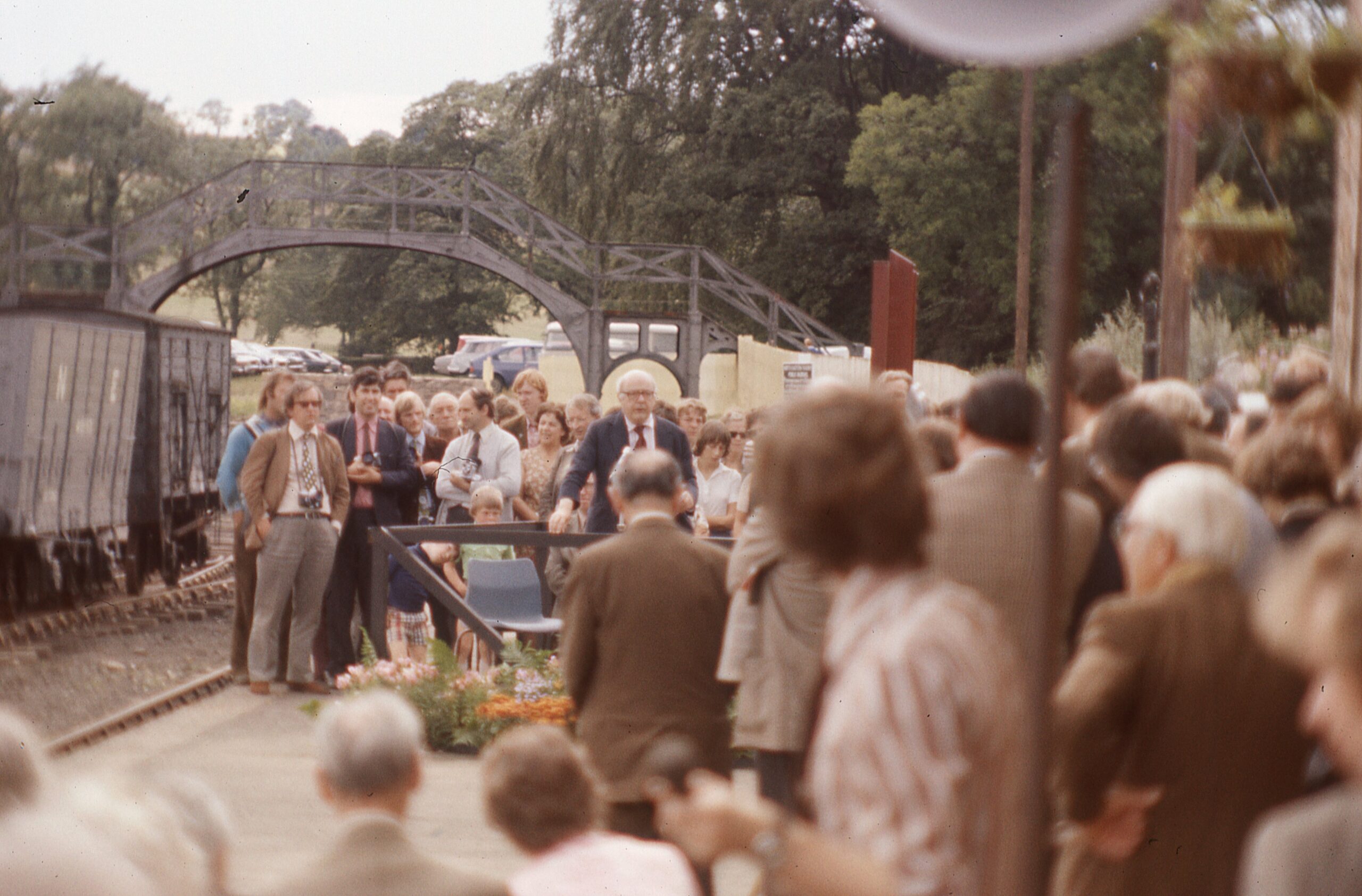
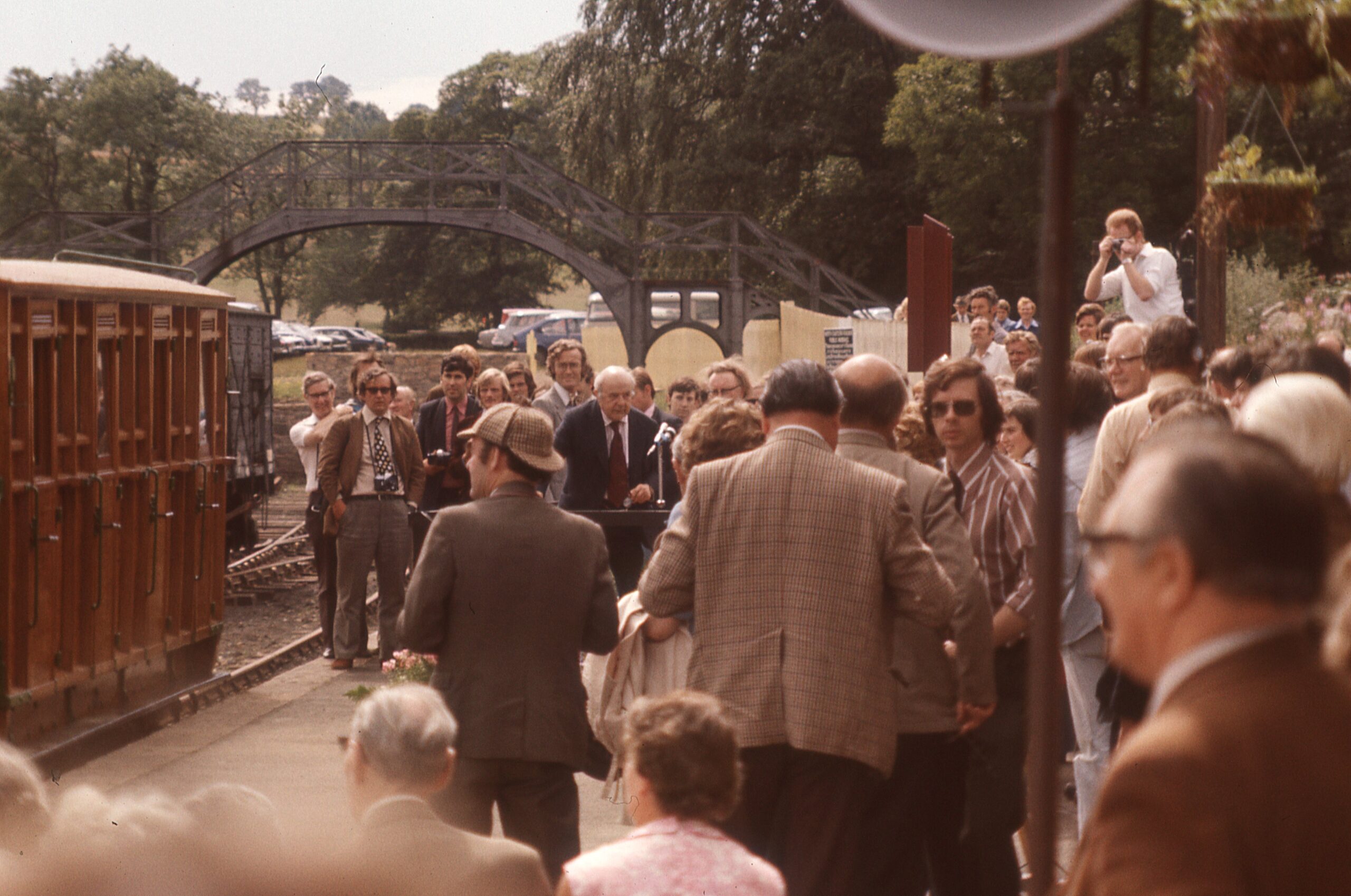
Below: Malcolm Paul captured these images on the 19th July 1976, the day of the formal opening ceremony, which was carried out by the Poet Laureate Sir John Betjeman (visible in the blue suit and red time in the third and fourth image below). The sequence captures NER C Class (later LNER and BR J21) No.876 hauling the ex Stockton & Darlington Railway third class ‘Forcett’ coach, No.179 (the name Forcett being attached after it was sold for use at Forcett Quarry in County Durham.
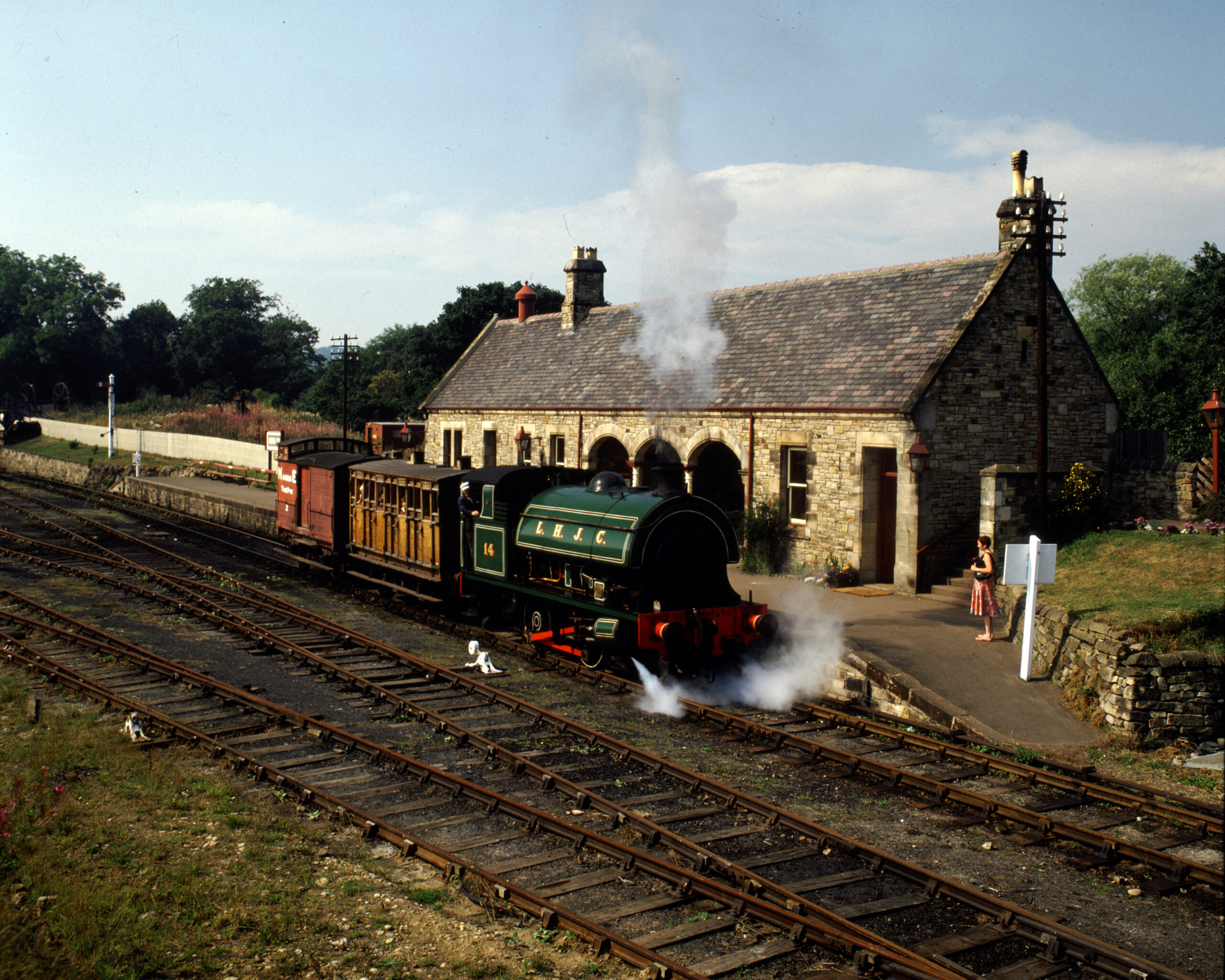
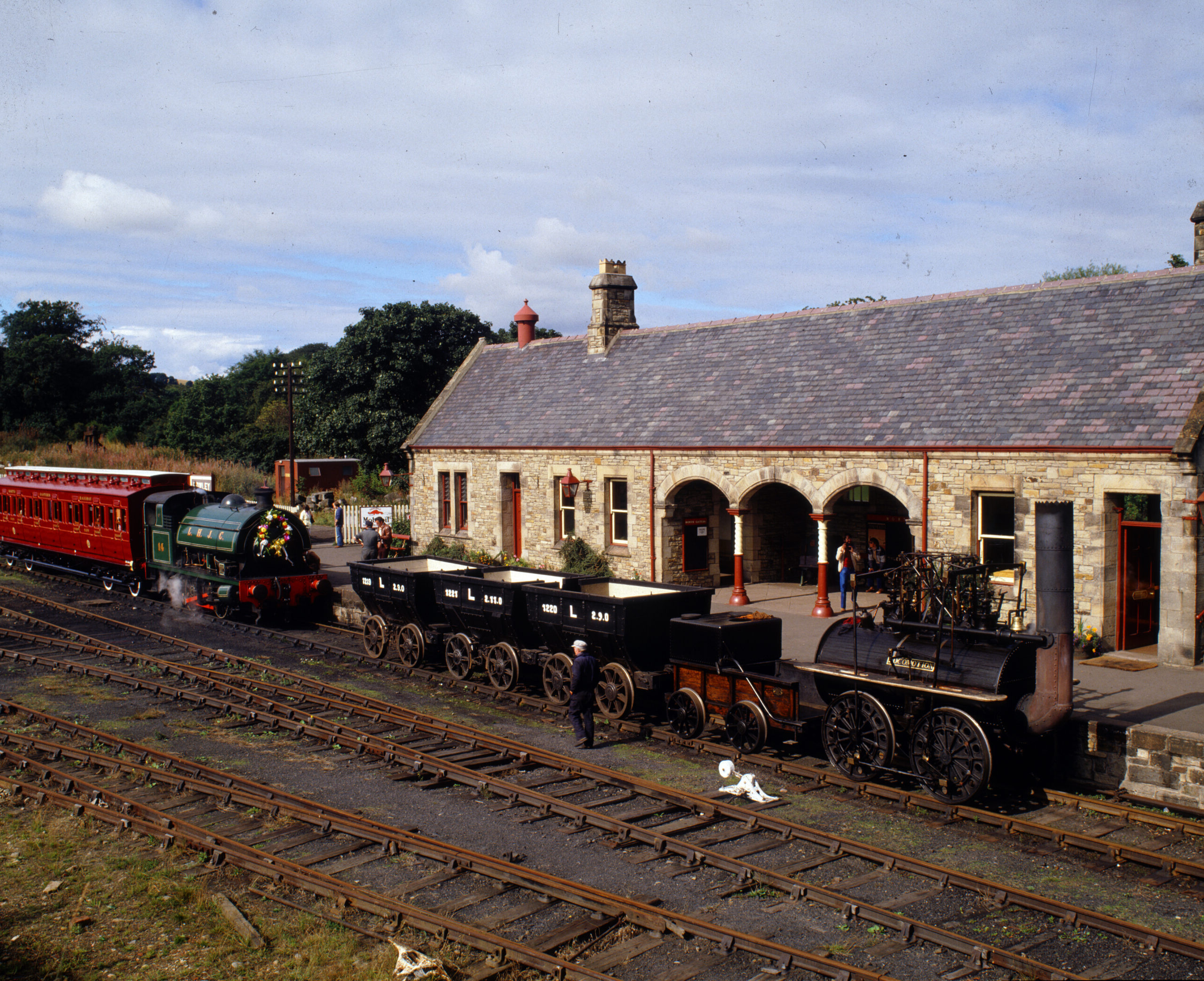
Below: A later view from the museum’s extensive collection of colour transparencies, this time with 1914-built Hawthorn Leslie, No.14 from the Lambton, Hetton & Joicey Colliery system. This locomotive was restored for operation at Beamish by Clark Hawthorn Ltd at the Northumberland Engine Works, Wallsend and operated on the NER Branch from Rowley Station for several years. It was later displayed in the Colliery (with the amended lettering L&HC to reflect the addition of Joicey as a post-1913 occurrence and therefore one that was not required for the museum’s then curatorial emphasis on the year 1913 – which of course the locomotive post-dated). It was transferred to the Tanfield Railway in 2010, deemed to be too large and heavy for regular use at Beamish, a situation which precluded its overhaul to operating condition when this became due. Of note is the presence of the NER Birdcage Brakevan No.44842 – enabling a push-pull operation to be carried out, albeit without a continuous brake in the train – something remedied with the restoration of NER coach No.818 in 1981.
Below: The NER luggage composite No.818 makes an appearance in this view, along with the replica Locomotion No.1 and three ex Londonderry Railway (Seaham) Black Waggons (often referred to as Chaldron Waggons) which had been adapted to carry passengers (whence the white interiors).
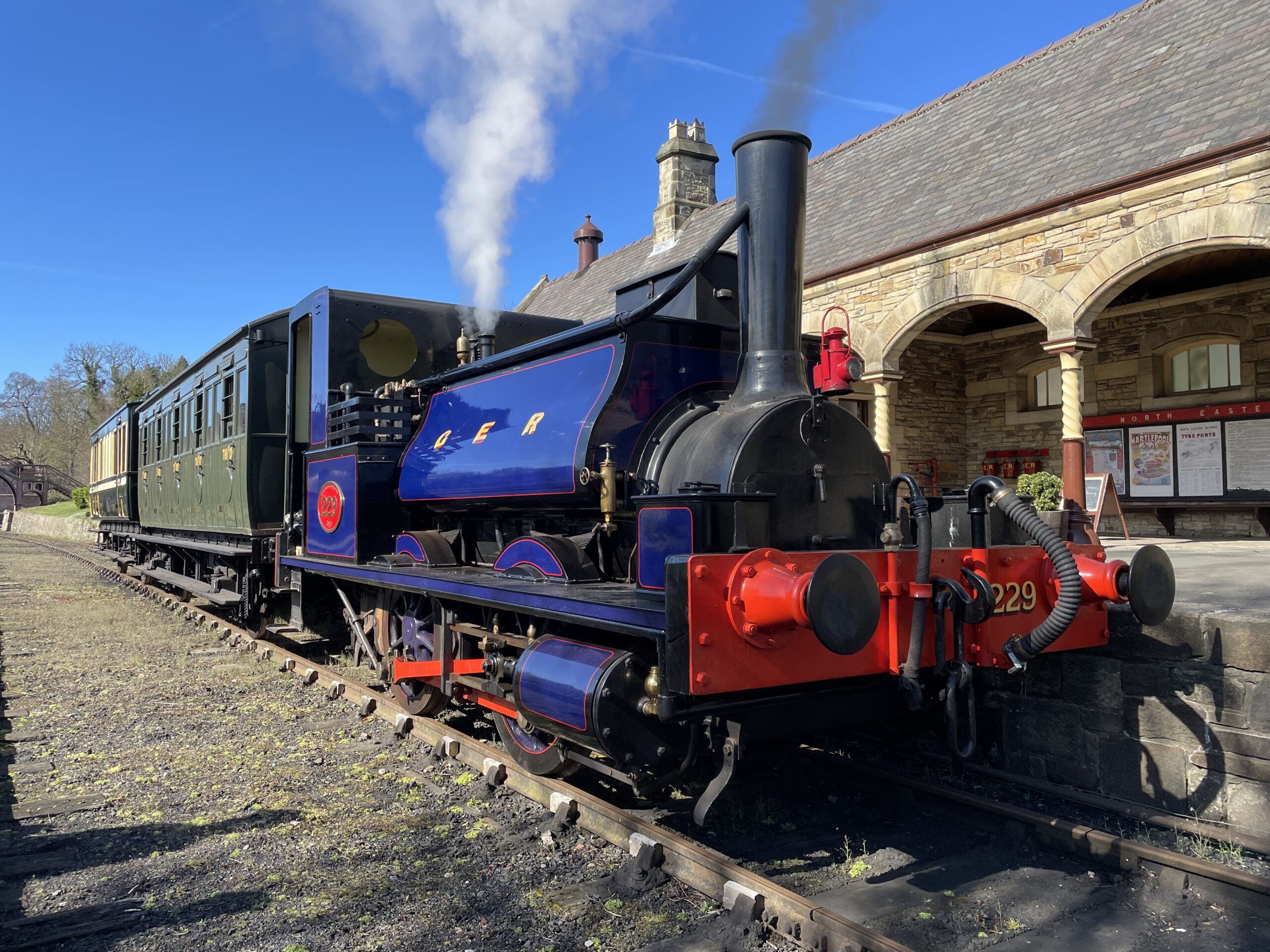
Below: The current motive power at Rowley is GER No.229, which has made two visits during 2026 and whose very fine Great Eastern Railway Ultramarine blue livery has added another splash of colour to the station and which has proved very popular with visitors who have enjoyed a ride behind it at Easter and during the summer school holidays. For 2027 – we very much look forward to the arrival of Dunrobin (our own 1895-built Sharp, Stewart and Company 0-4-4T locomotive, currently undergoing an extensive restoration at the Severn Valley Railway), and maybe one or two other visiting locomotives along the way…
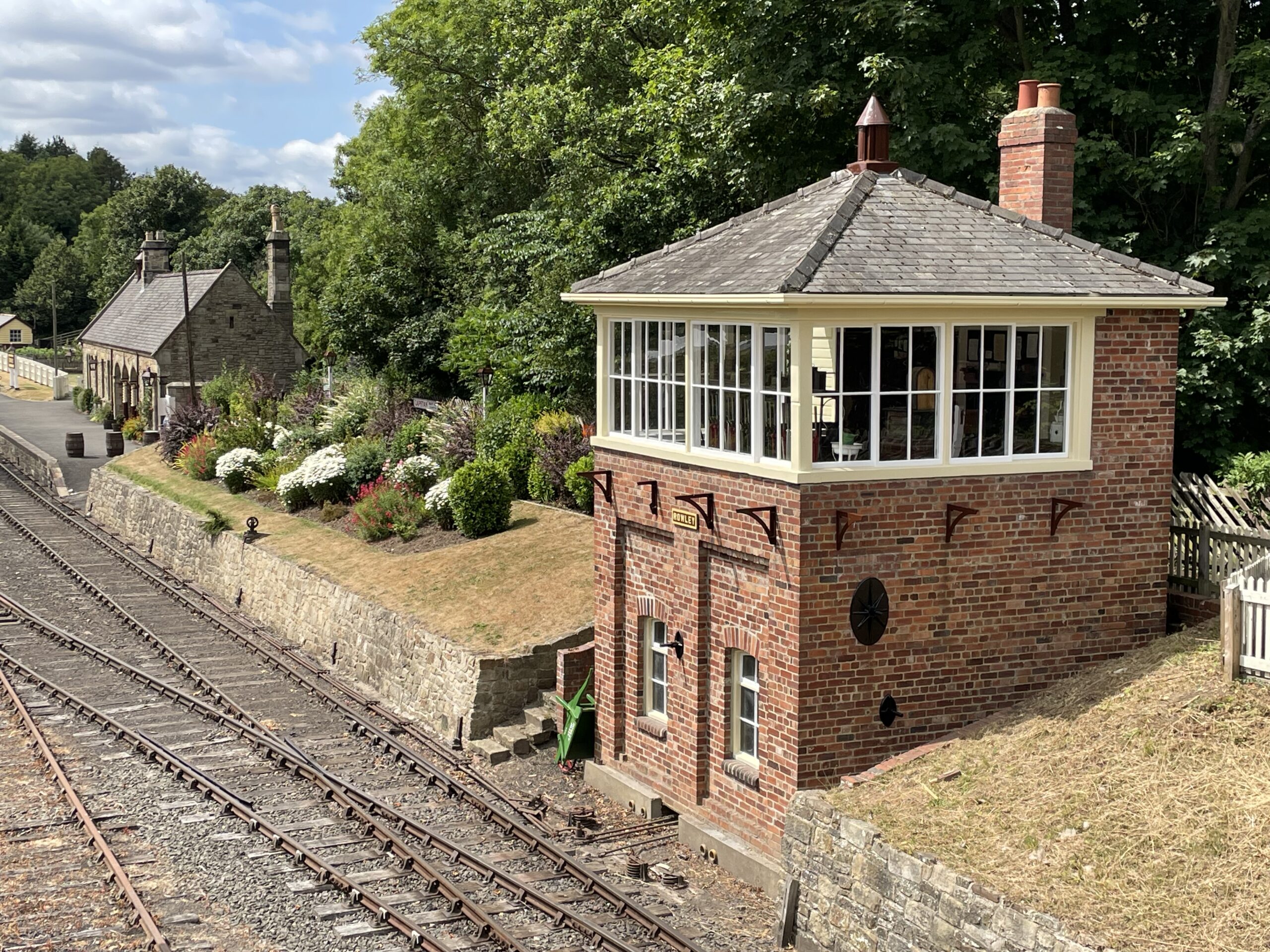
Below: The station (and its staff) won the ‘Best Kept Wayside Station’ award in 1912. The award was then suspended for the duration of the 1st World War, resuming in 1920, when Rowley station again won the award, later still winning it again. This achievement appears to have been down to the new Station master, George Beattie who took up his post in November 1911. In 2016 a project was carried out to recreate the style and planting of the original gardens. Given the nature of the original location, the plants tended for must have been hardy and resilient to the cold, rain, wind and snow. This July 2026 view shows the effect of the long, dry summer on the manicured grass embankment.
Further Reading
http://www.disused-stations.org.uk/r/rowley/index.shtml
The Wear & Derwent Railway by Rob Langham (Amberley Publishing 2022)
The Railways of Consett and North West Durham by G. Whittle (David & Charles 1971)
Various articles published by the North Eastern Railway Association https://ner.org.uk


Recent Comments