


Transport & Engineering Diary May 2026 Part 1
It’s well past mid-May and with a busy latter half of the month anticipated, here is an update for the first half of the month, up to the commencement of the Festival of Transport.
Armstrong Whitworth Car
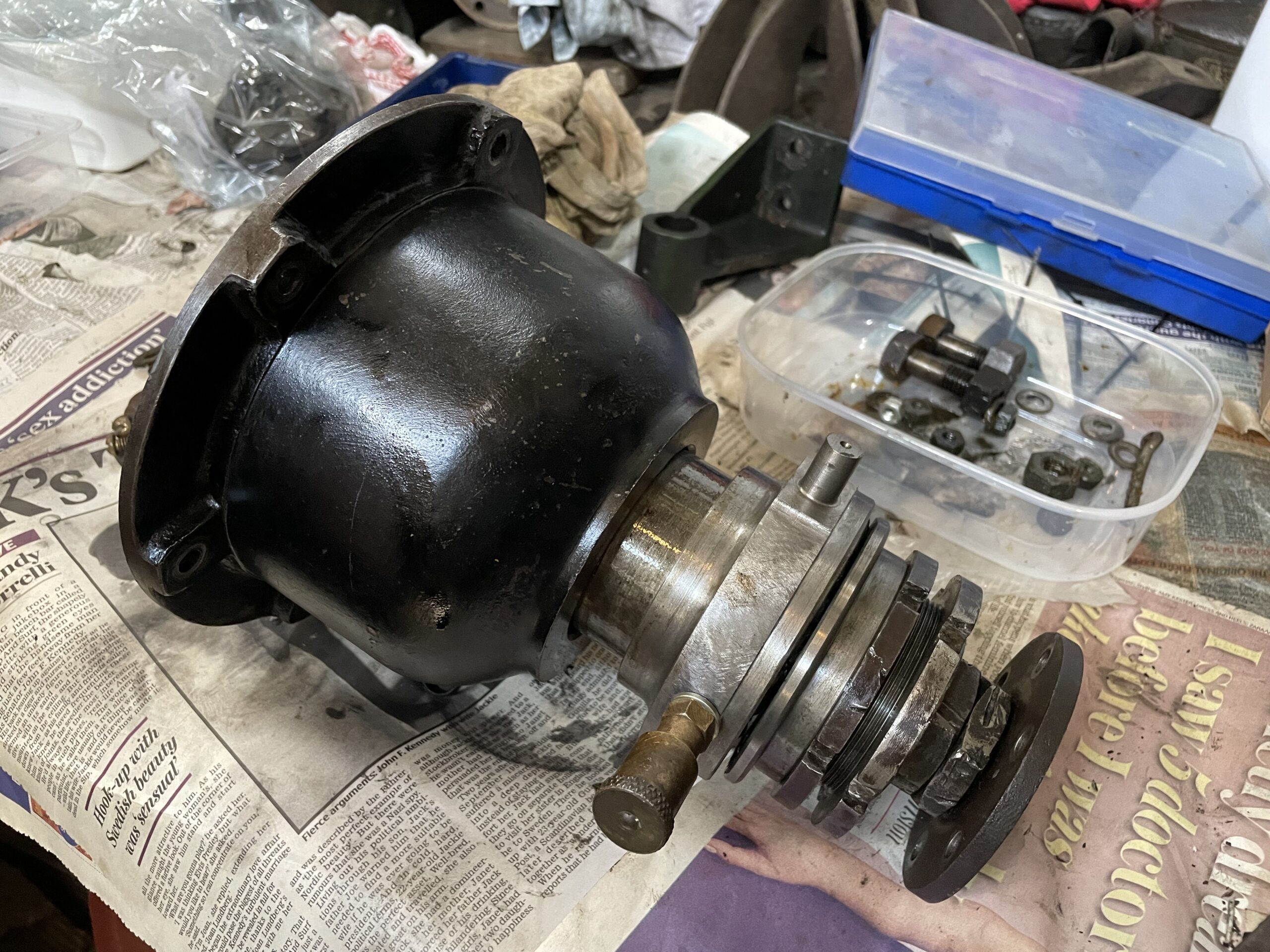
Below: The new distributor drive – this was one of the components missing from the car, and one that has been replicated (as covered in earlier posts) to restore this feature – giving the car dual ignition with both a distributor and magneto providing the spark.

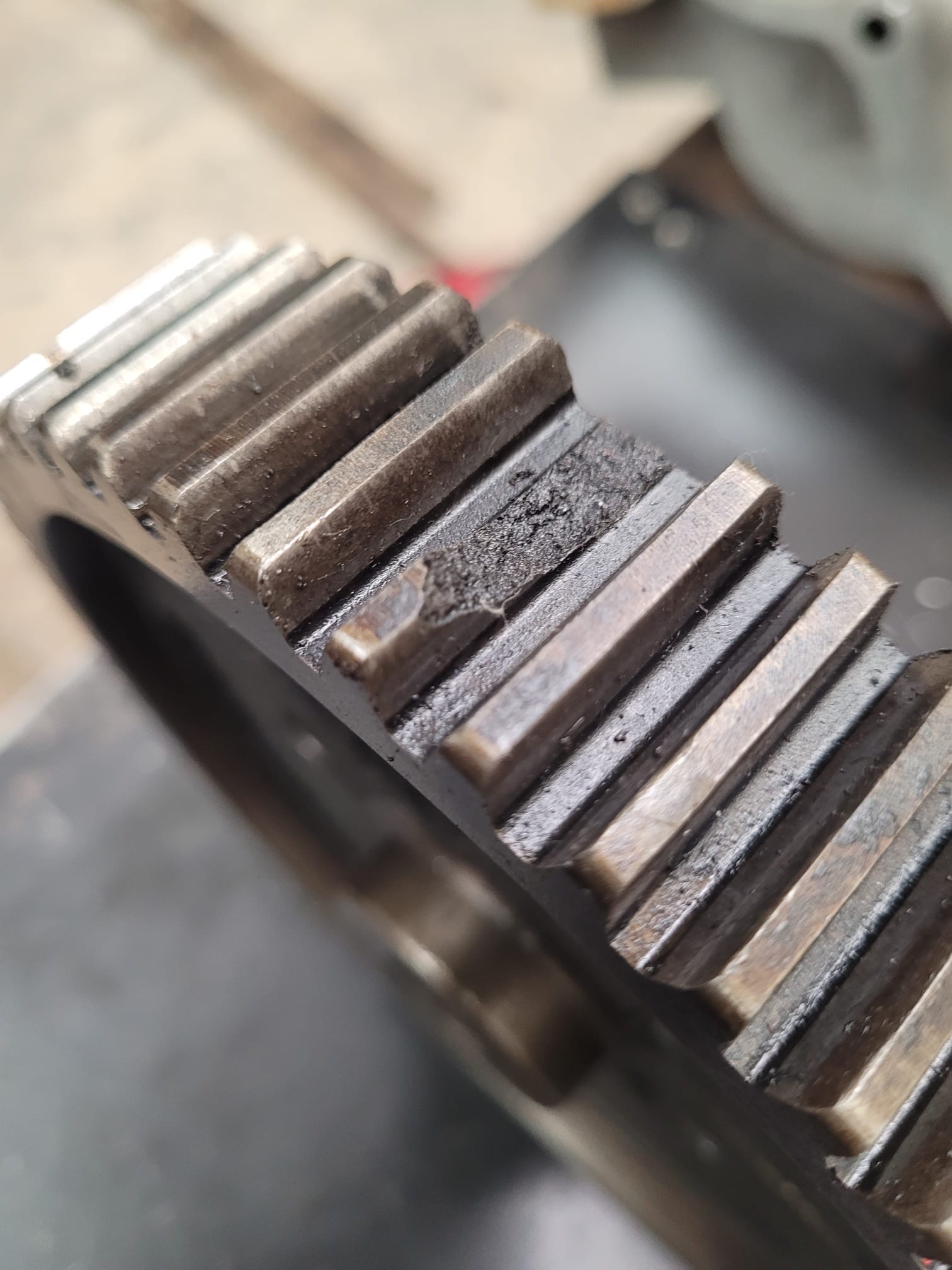
Below: A missing tooth in the timing gear…
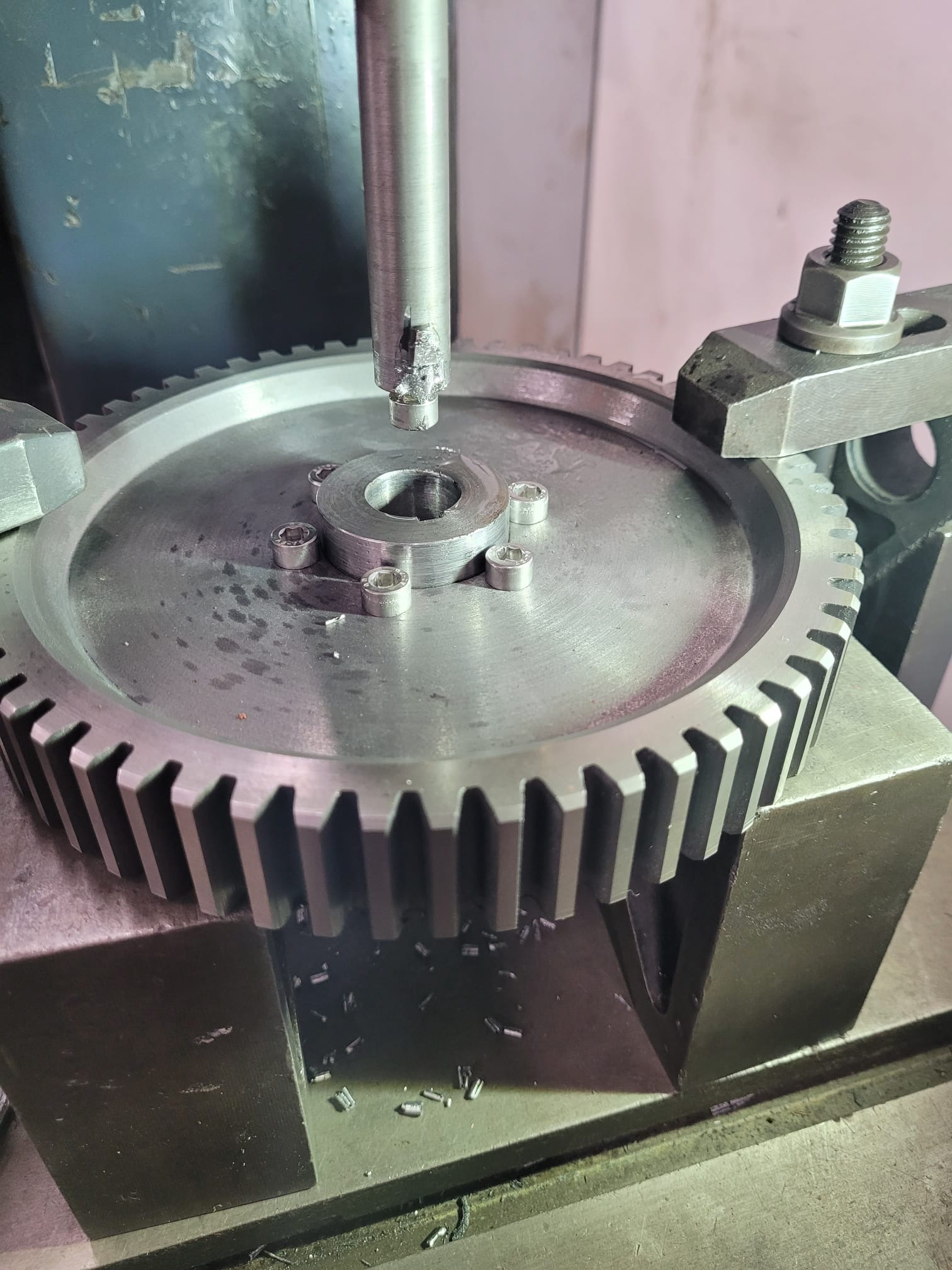
Below: New gears were obtained and machined to fit the AW engine. Here they are drilled for top-hat bearings to be fitted.

Below: Cutting the keyway on the slotting machine.
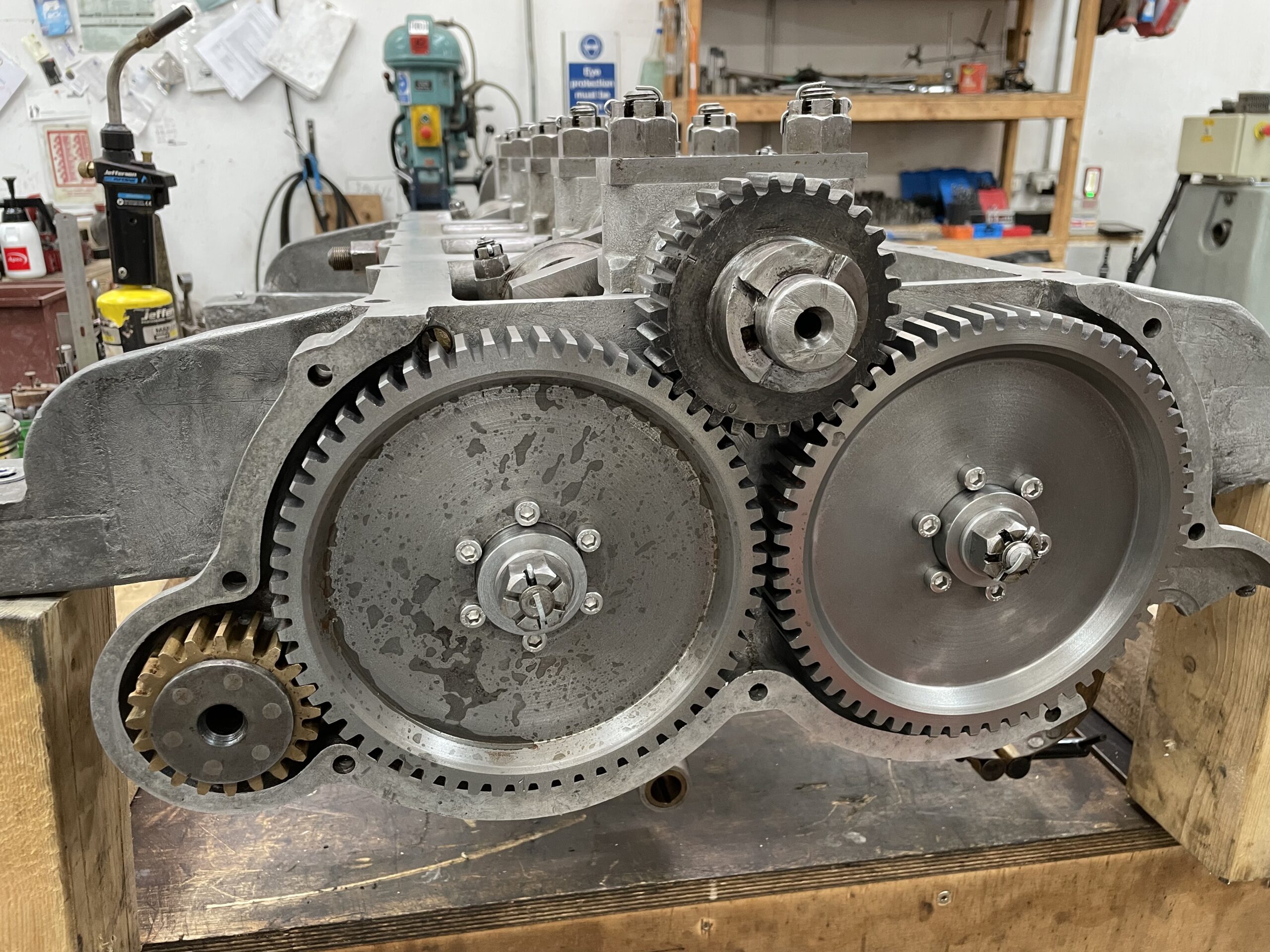
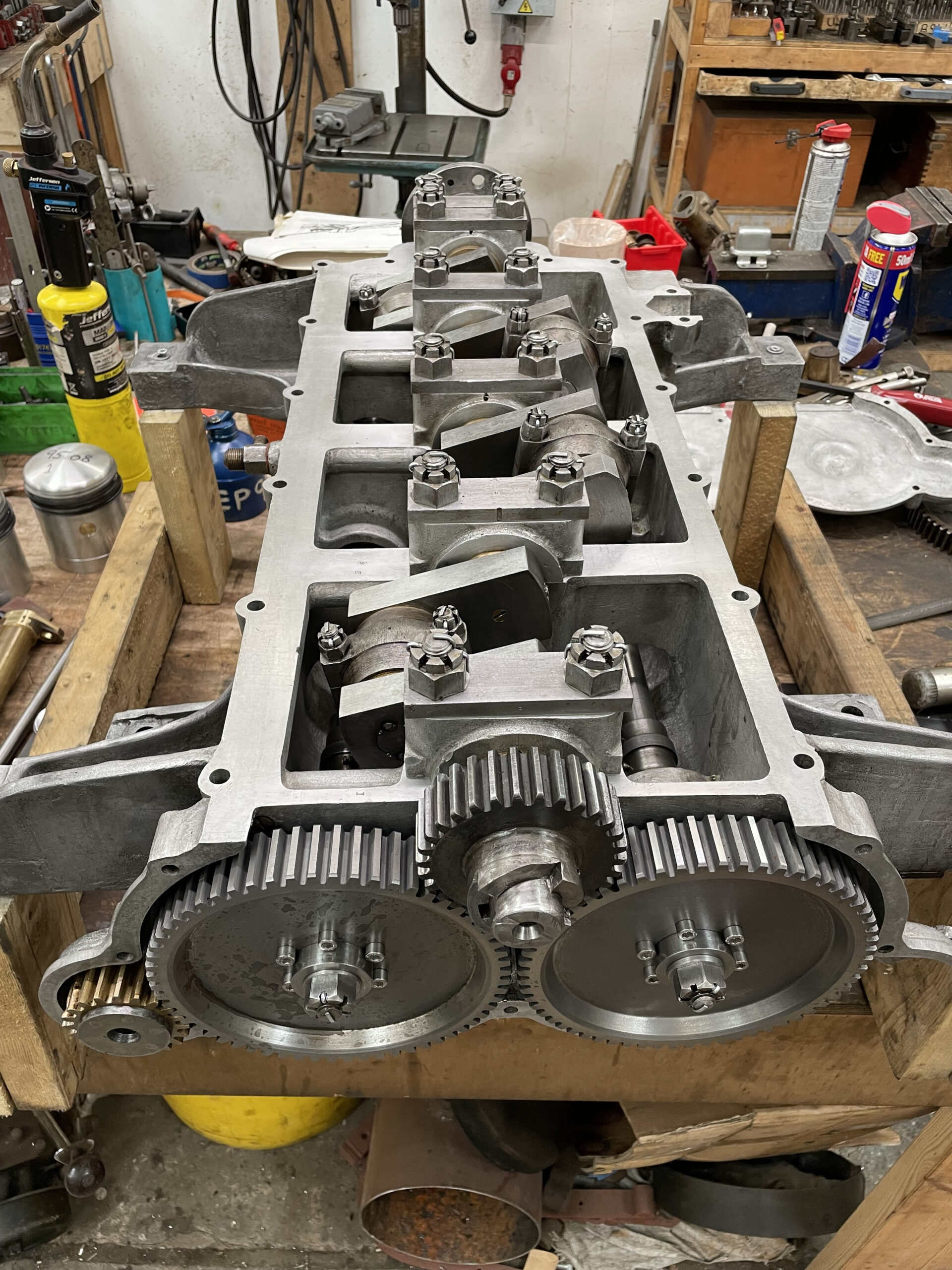
Below: Fitting up the timing gears on the engine block, with the crankshaft pinion also fitted.
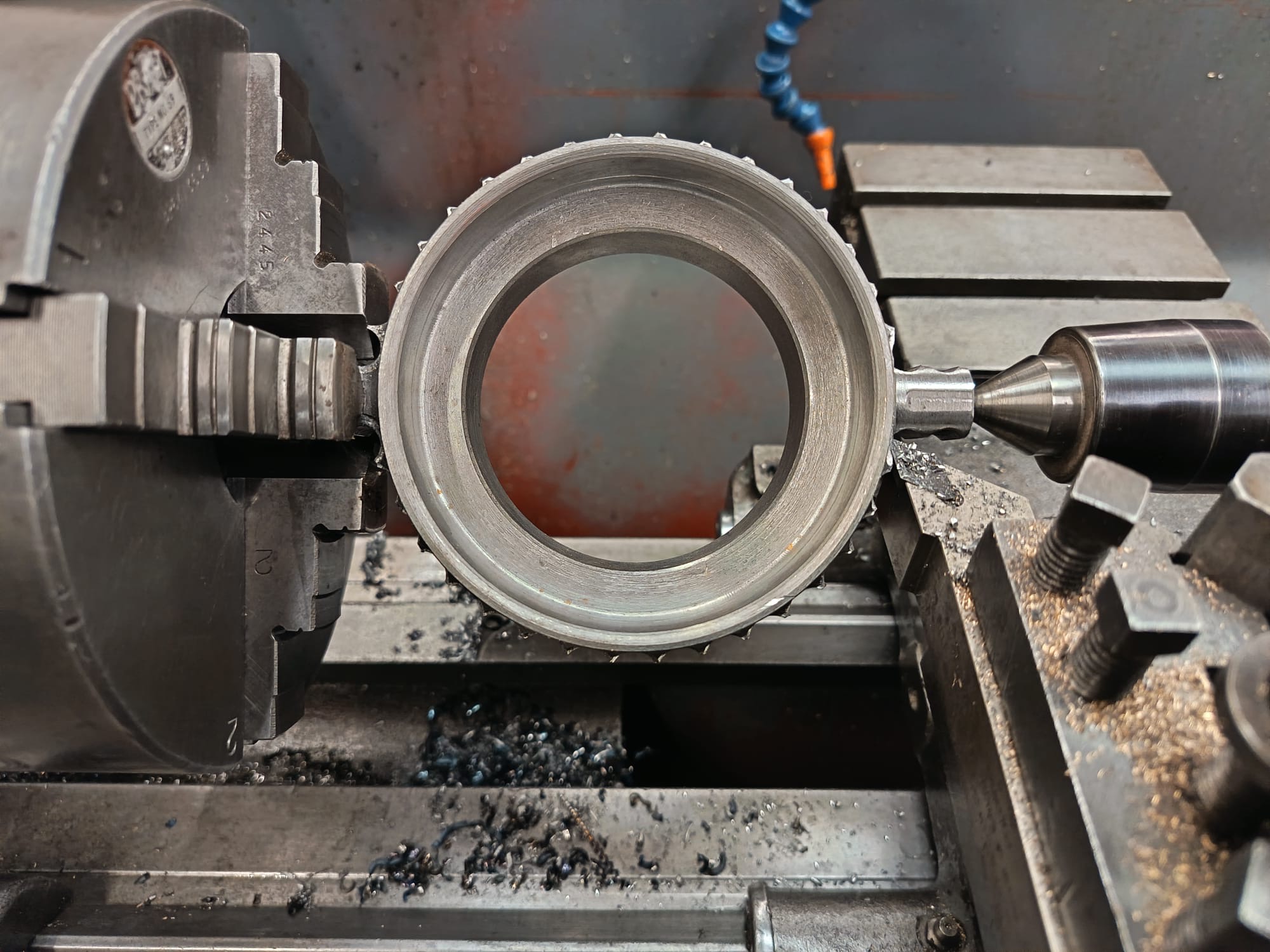
Below: A new clutch release bearing was required, the original being beyond sensible recovery. The replacement was also made to accommodate an off the shelf thrust bearing, to assist with both this job and future maintenance. First The rough shape was machined from the billet we had in stock.

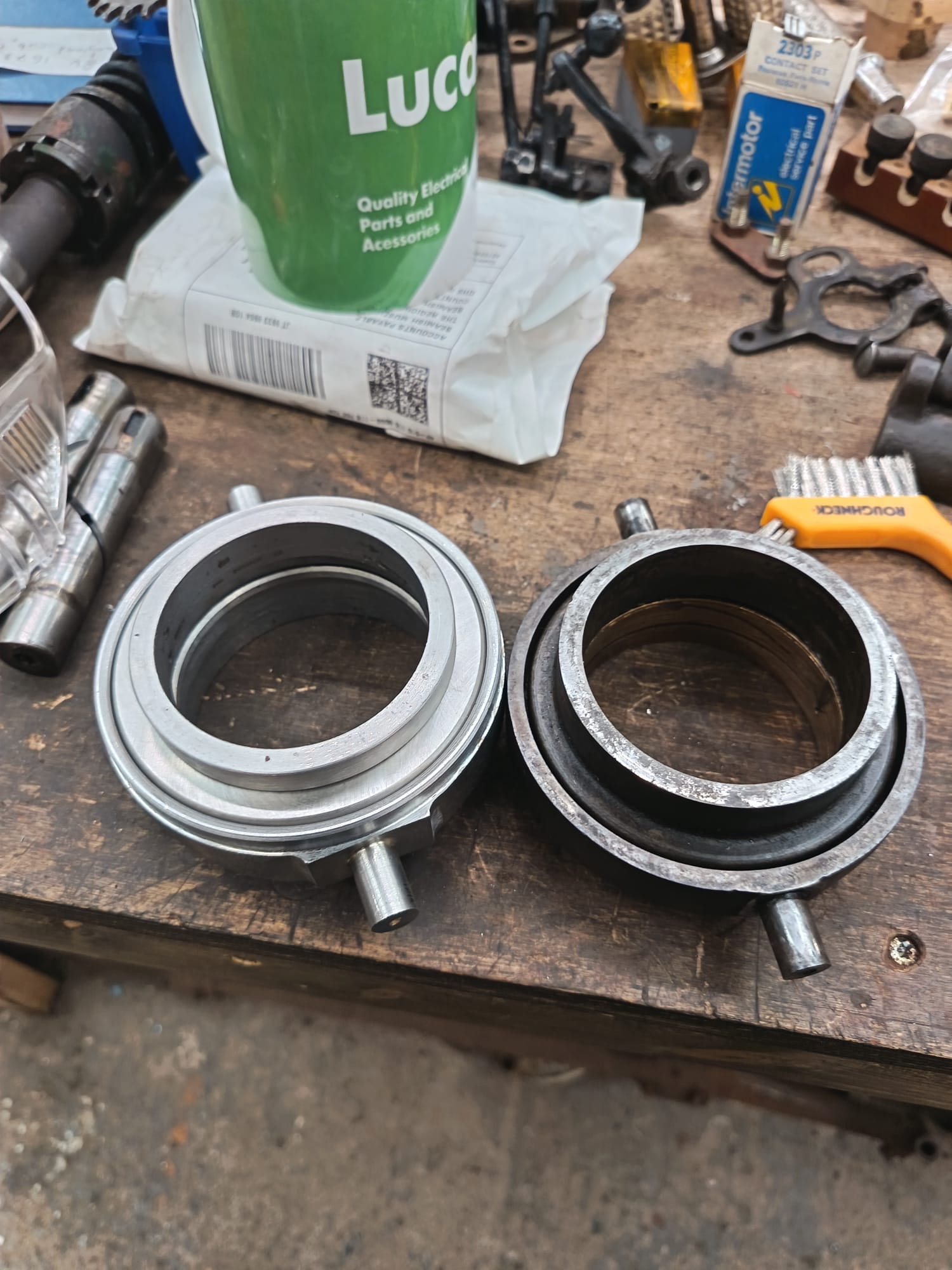
Below: The new bearing on the left, the original on the right, after machining it down to size and then machining the spigots at the sides.

Below: Chain drilling the outer ring assembly.

Below: The effect of the chain drilling (and grinding/hand finishing) was to create the external pattern which can be observed here.
Below: Another comparison of new (left) and original (right). The internal dimensions can be observed to be slightly different – to accommodate the modern bearing that is being used.
Below: In mid-May the first of the pistons is seen assembled onto the connecting rod.
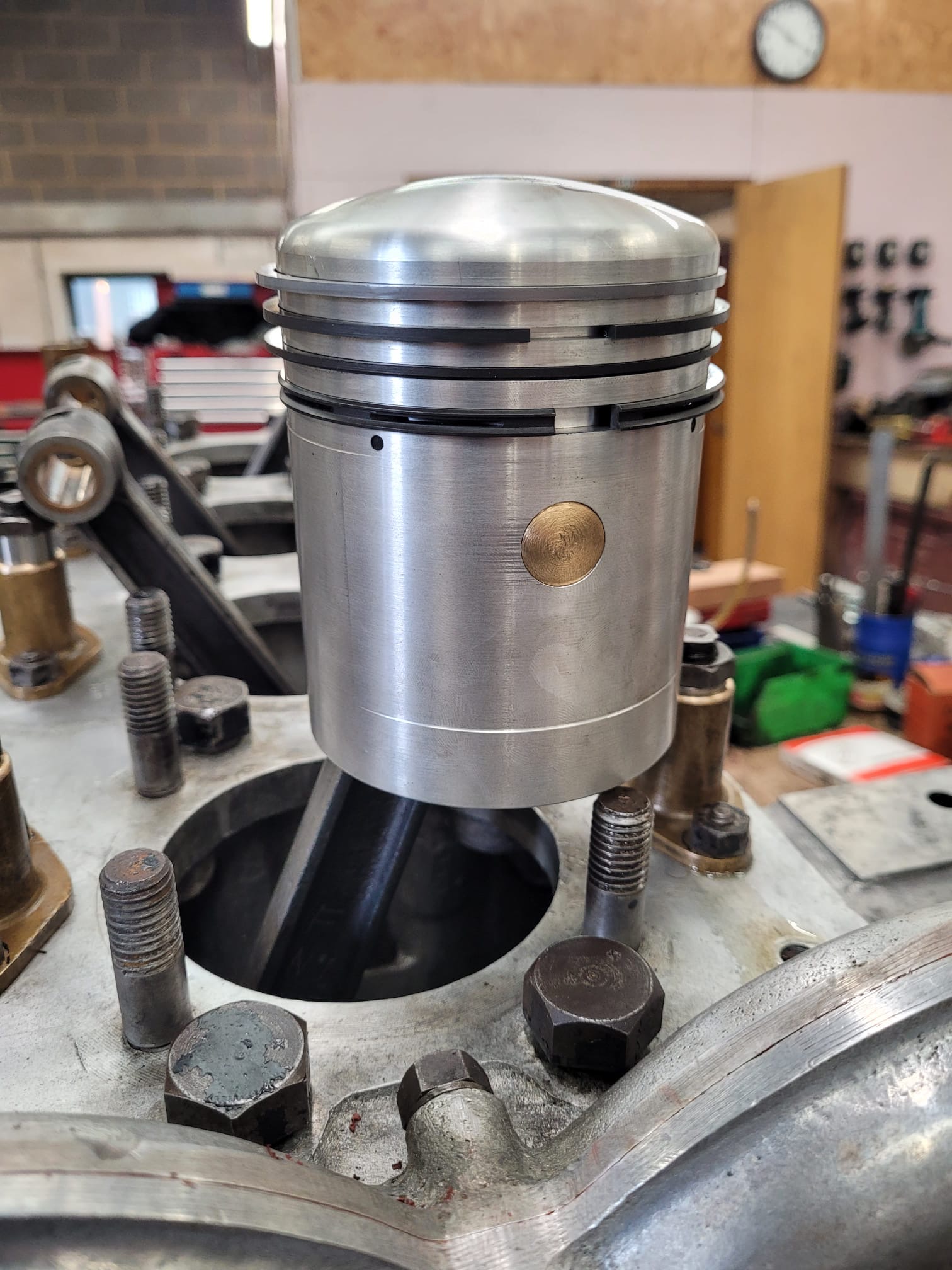
Below: The cylinder was then added to the assembly…
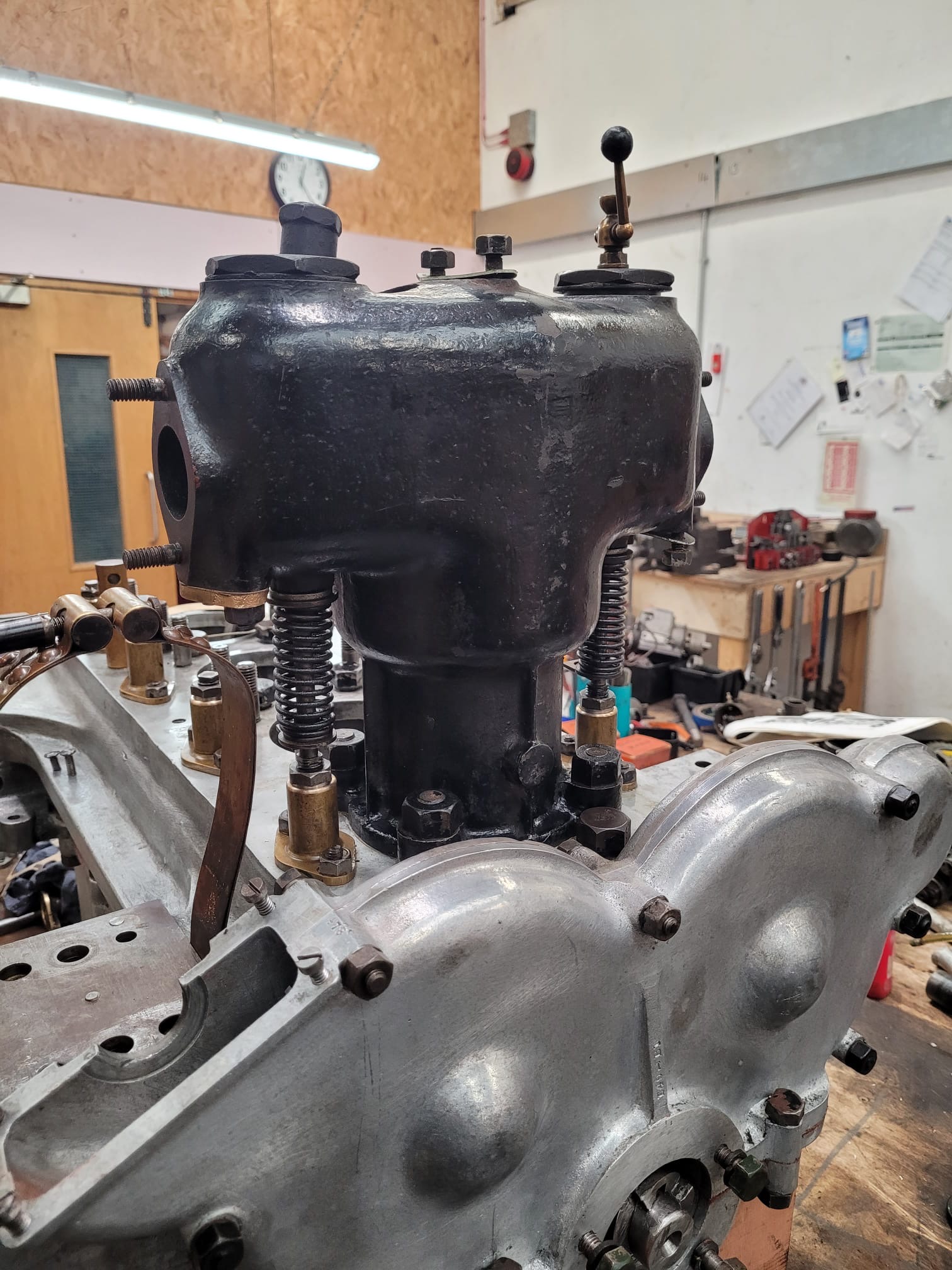
Below: Soon afterwards, all four piston/cylinder assemblies were complete with the engine ready for refitting into the car.
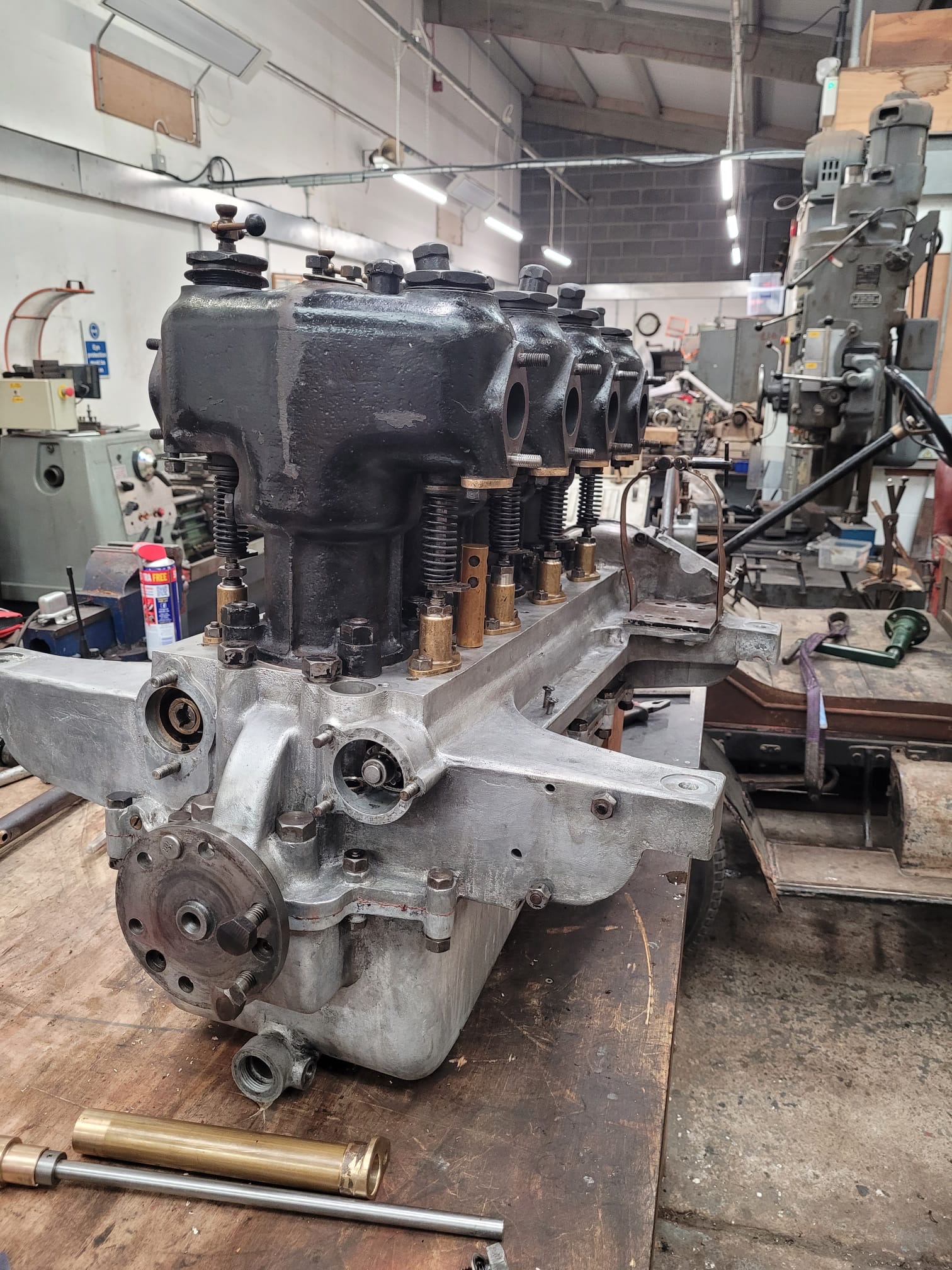
Below: The process of reinstalling the engine started with replacing the overhauled gearbox back into the chassis, followed by the engine itself.
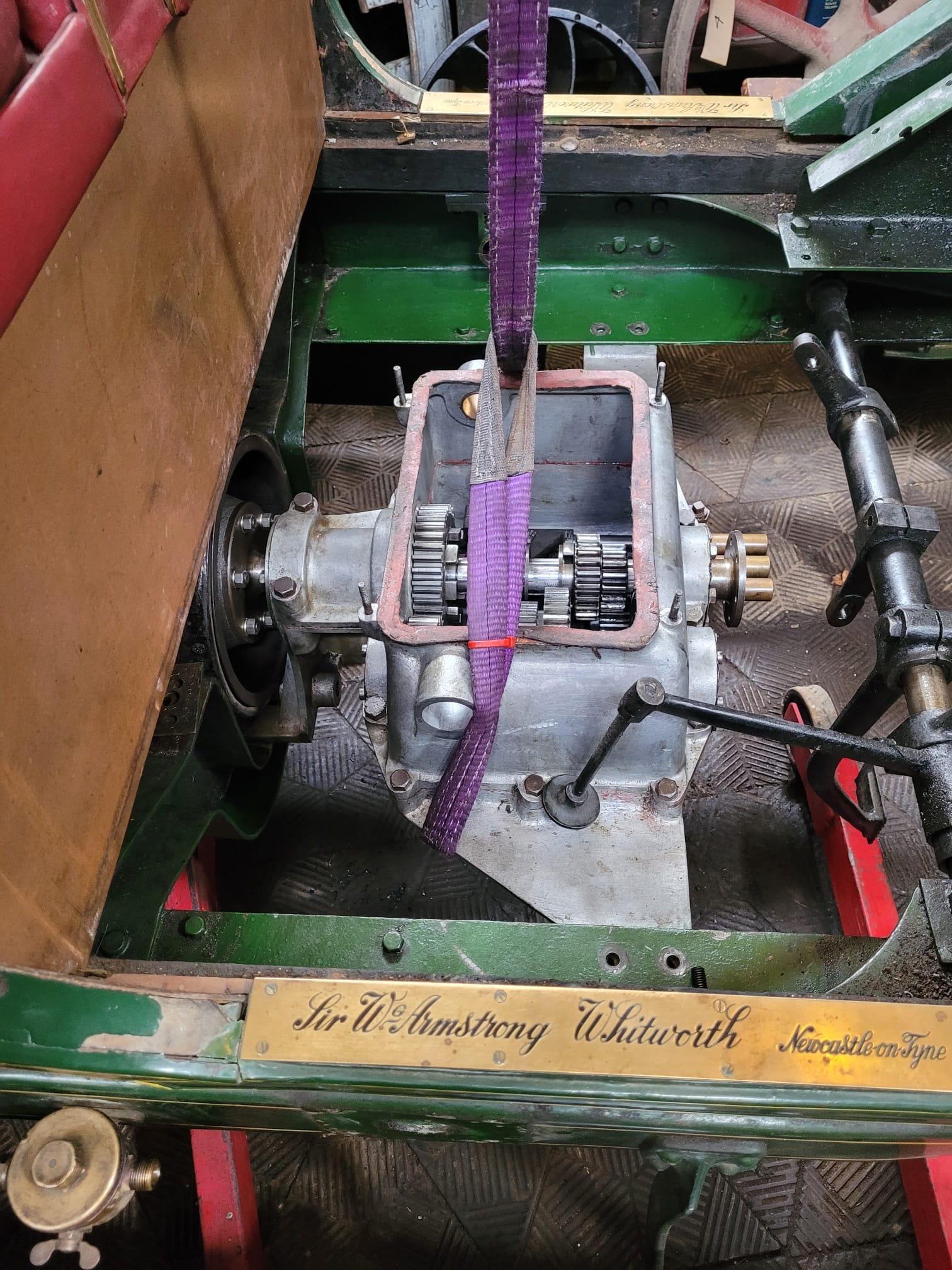

Below: Assembly of the engine to test-running took a further week, including fitting the overhauled clutch assembly.

Below: A close up view of the clutch plates (see previous post), showing the layers that form the core of the clutch and which move apart when the clutch pedal is depressed. The second view shows a more detailed view of the individual plates in the cluster.
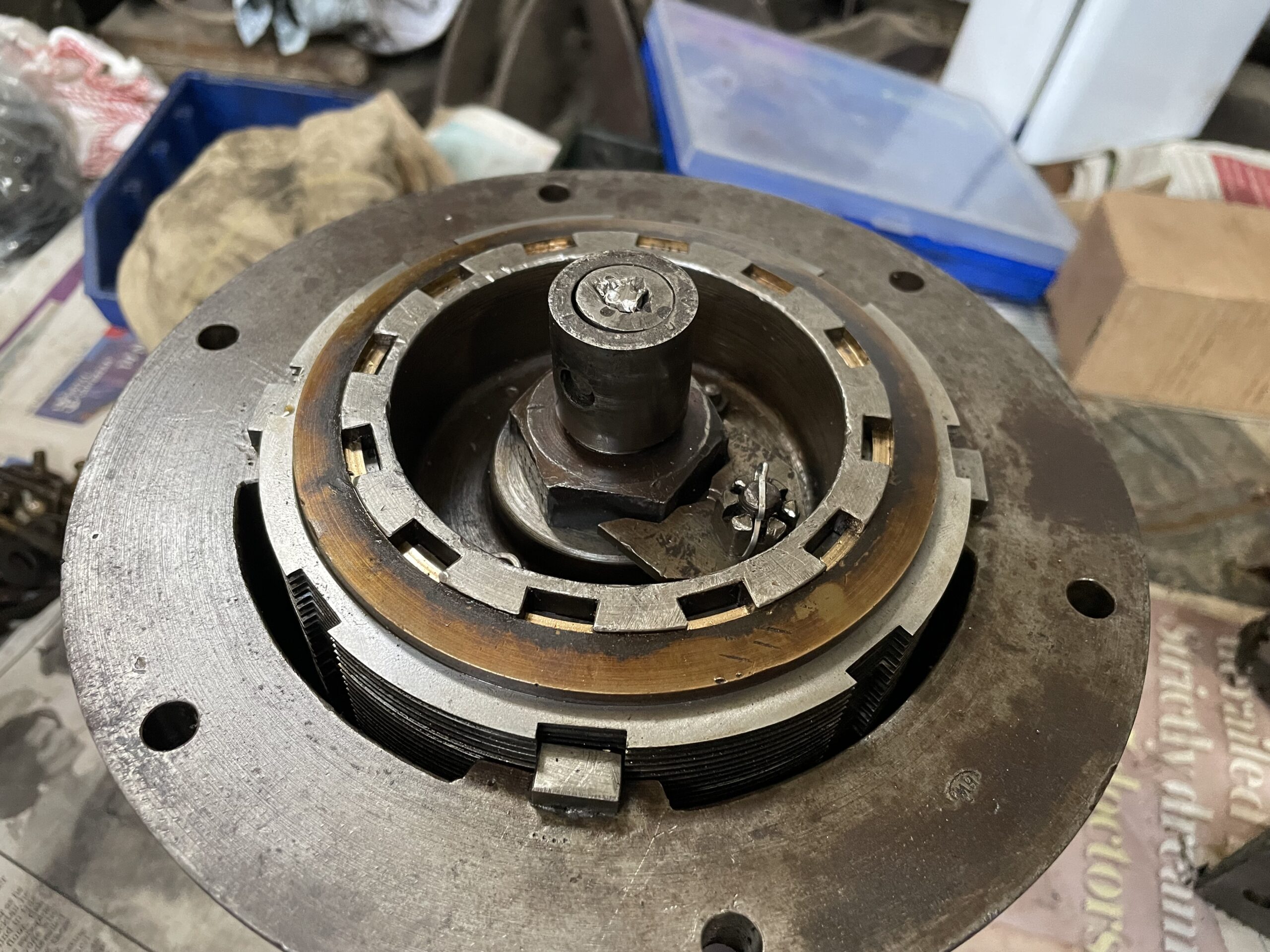
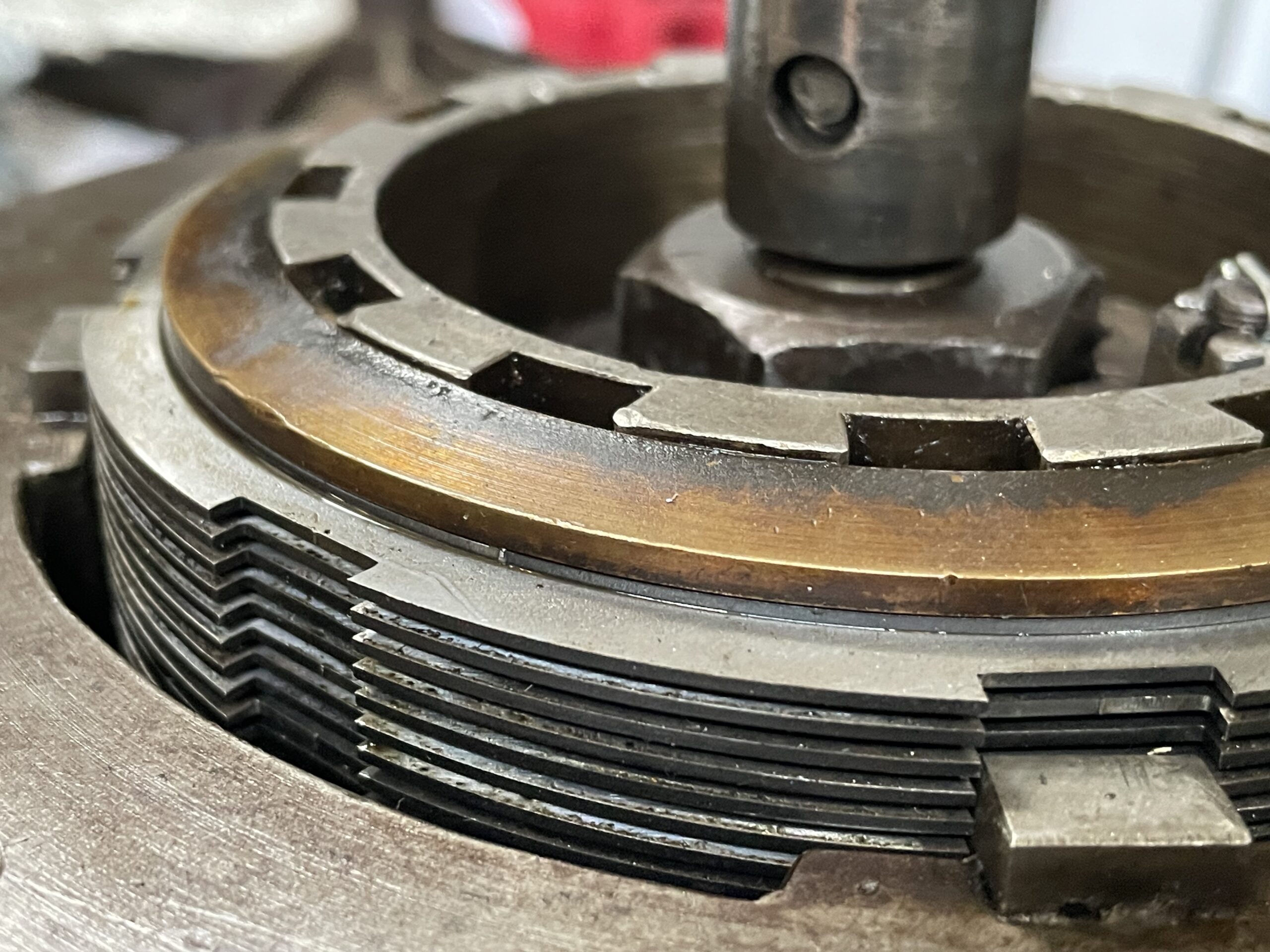
Below: The clutch case and connecting shaft to the engine, with the clutch release also visible in this view too.
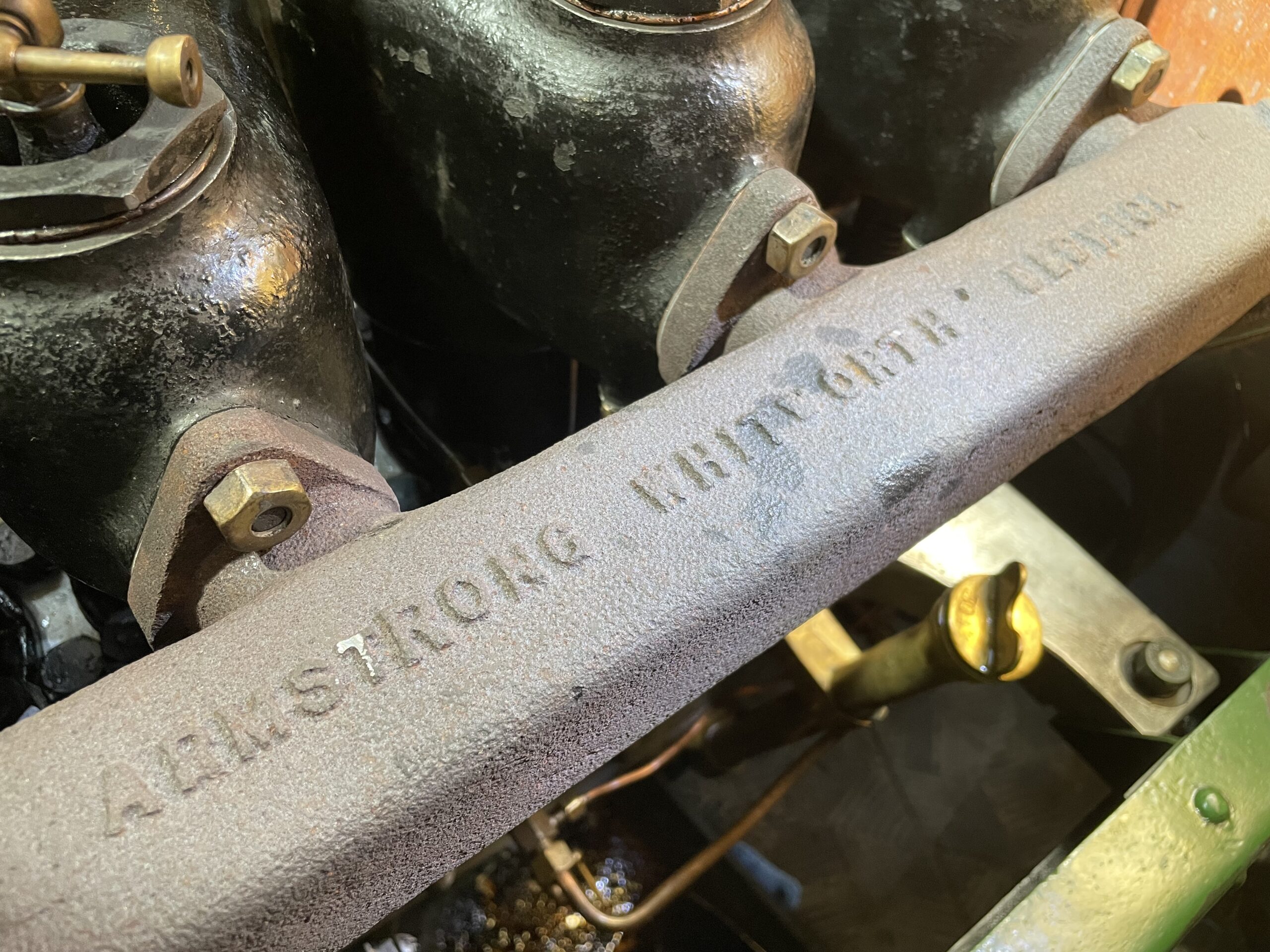
Below: The manifold makes clear the manufacturer of this car!
It is intended to operate the car during the Festival of Transport next week – certainly on the 27th (Wednesday) and probably over the following weekend too (in fact, it has just driven past my window as I type these notes!).
DENE Garage Clock
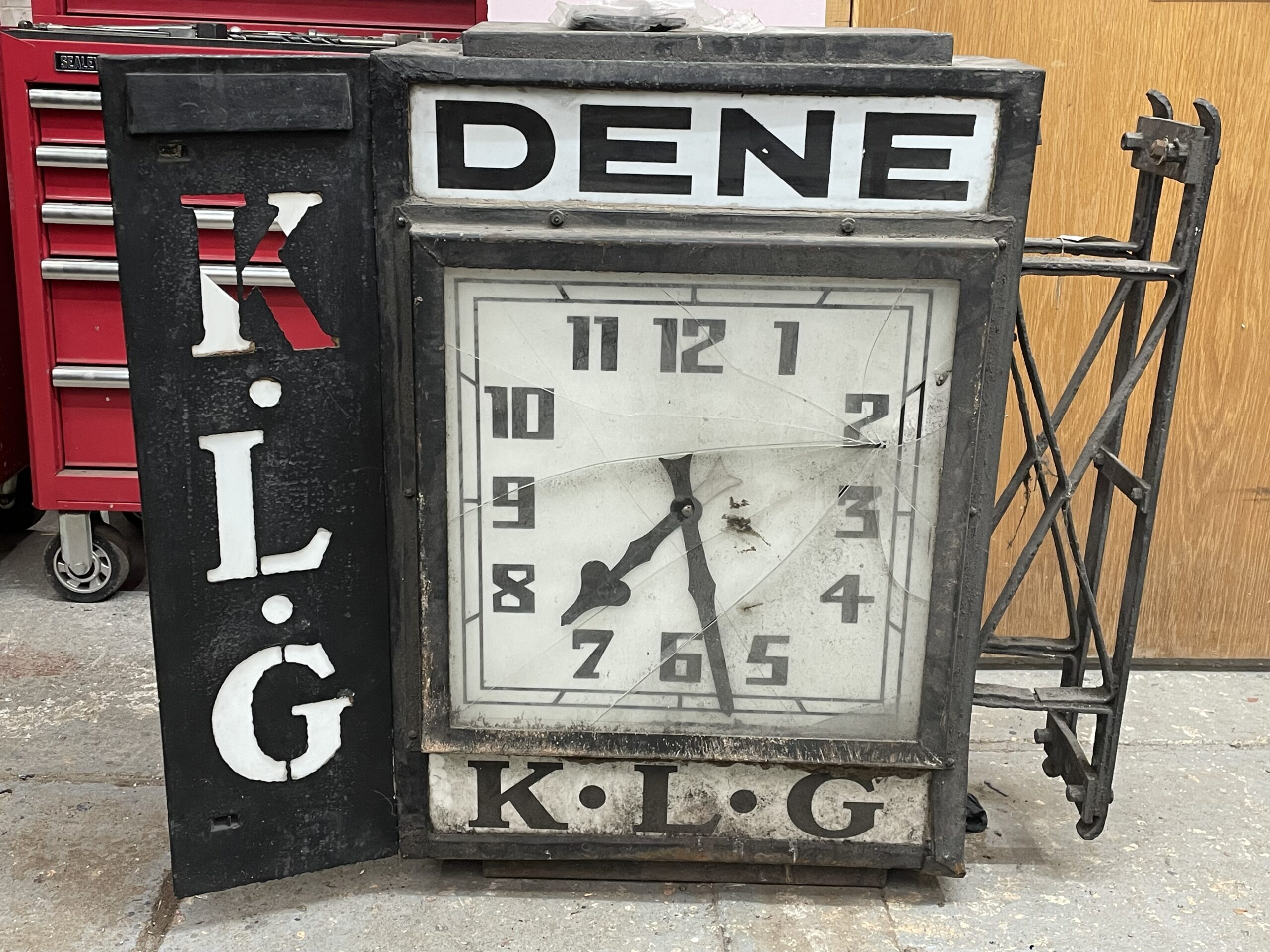
Below: This c1930s garage clock from the DENE garage in Newcastle has been retrieved from store and is to be restored to operational condition by the volunteers who work with the vintage and veteran vehicle collection. It is planned to install it on the corner of the bus depot, over the footpath and at the bus/tram stop end of the building. KLG Sparkplugs offered these to garages as promotional items, personalised with their own branding at the base and the garage name (in this instance) at the top.
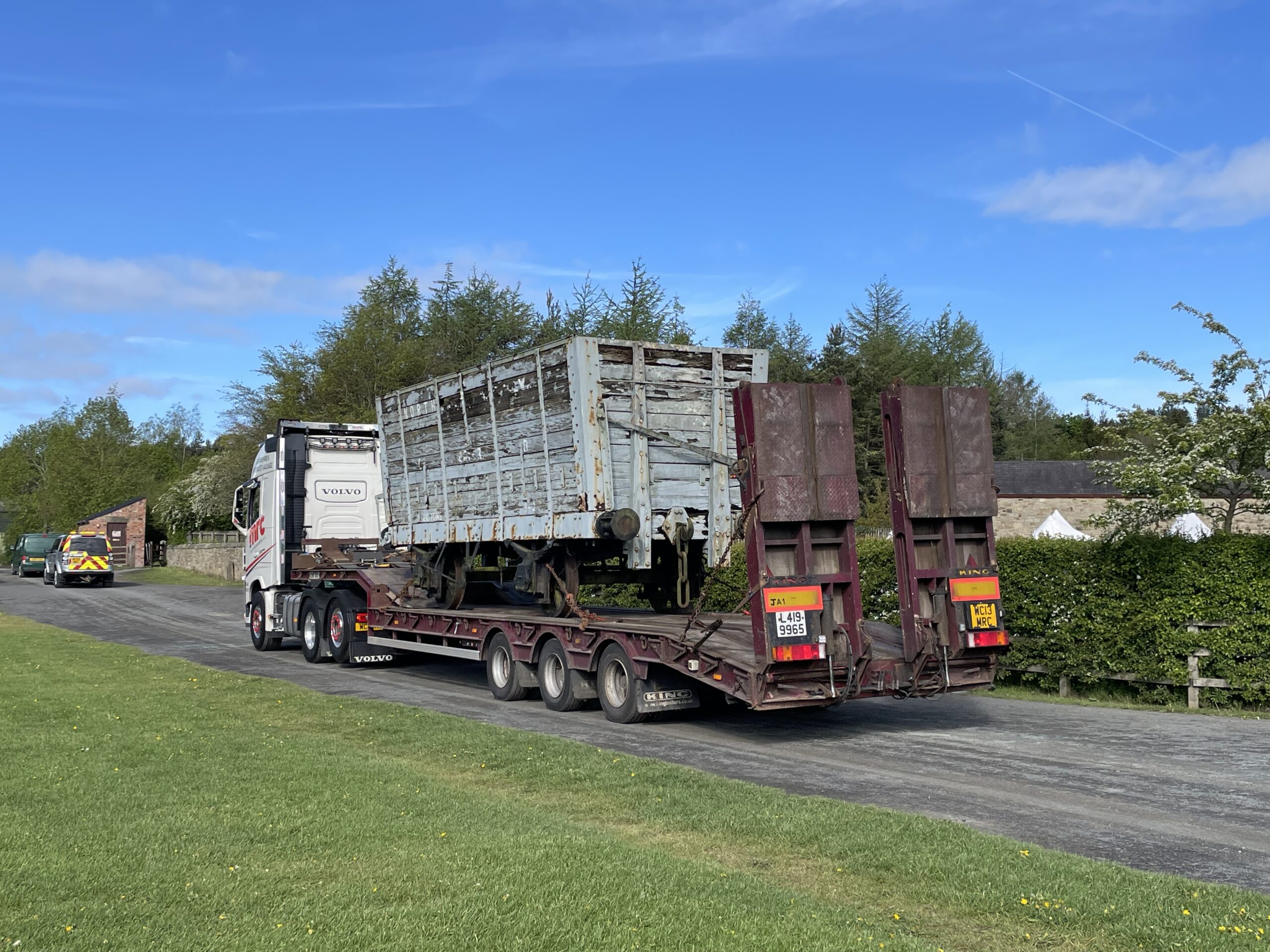
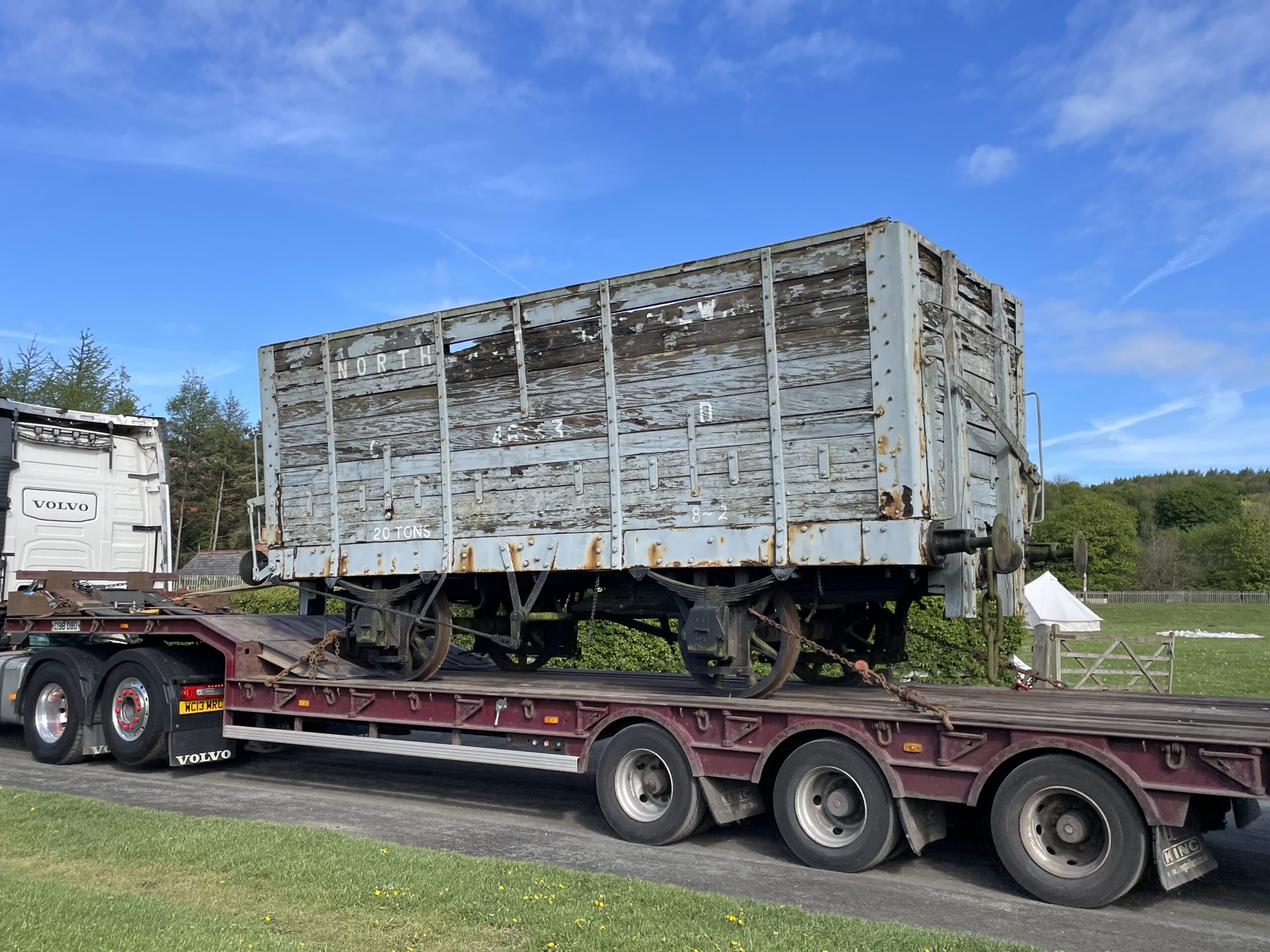
Another wagon departs
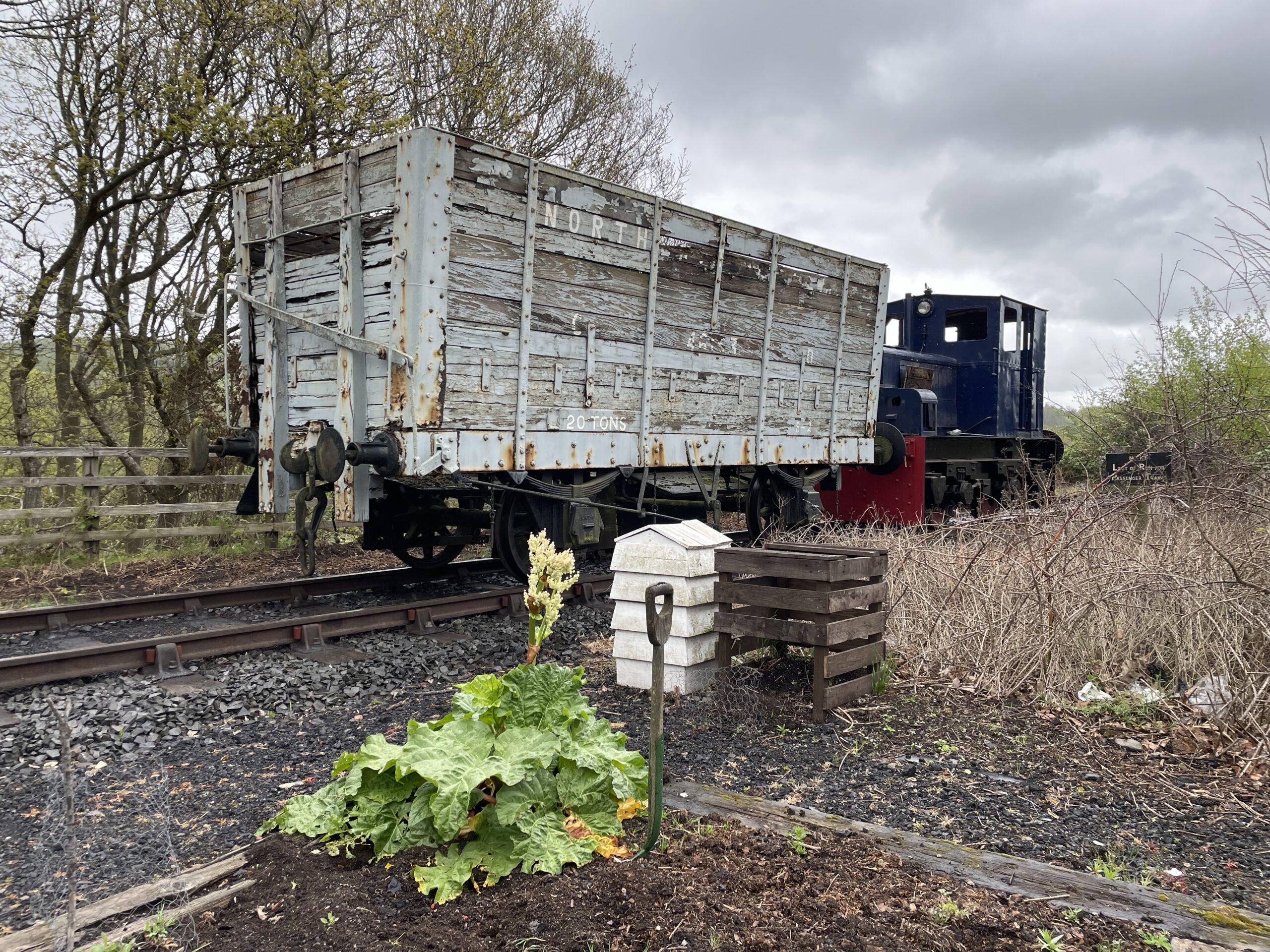
Below: The second NER P7 coal wagon was collected during May and departed for Kirby Stephen East, where an assessment of its condition (towards making a plan for restoration to running condition) has already begun.
Narrow Gauge Railway
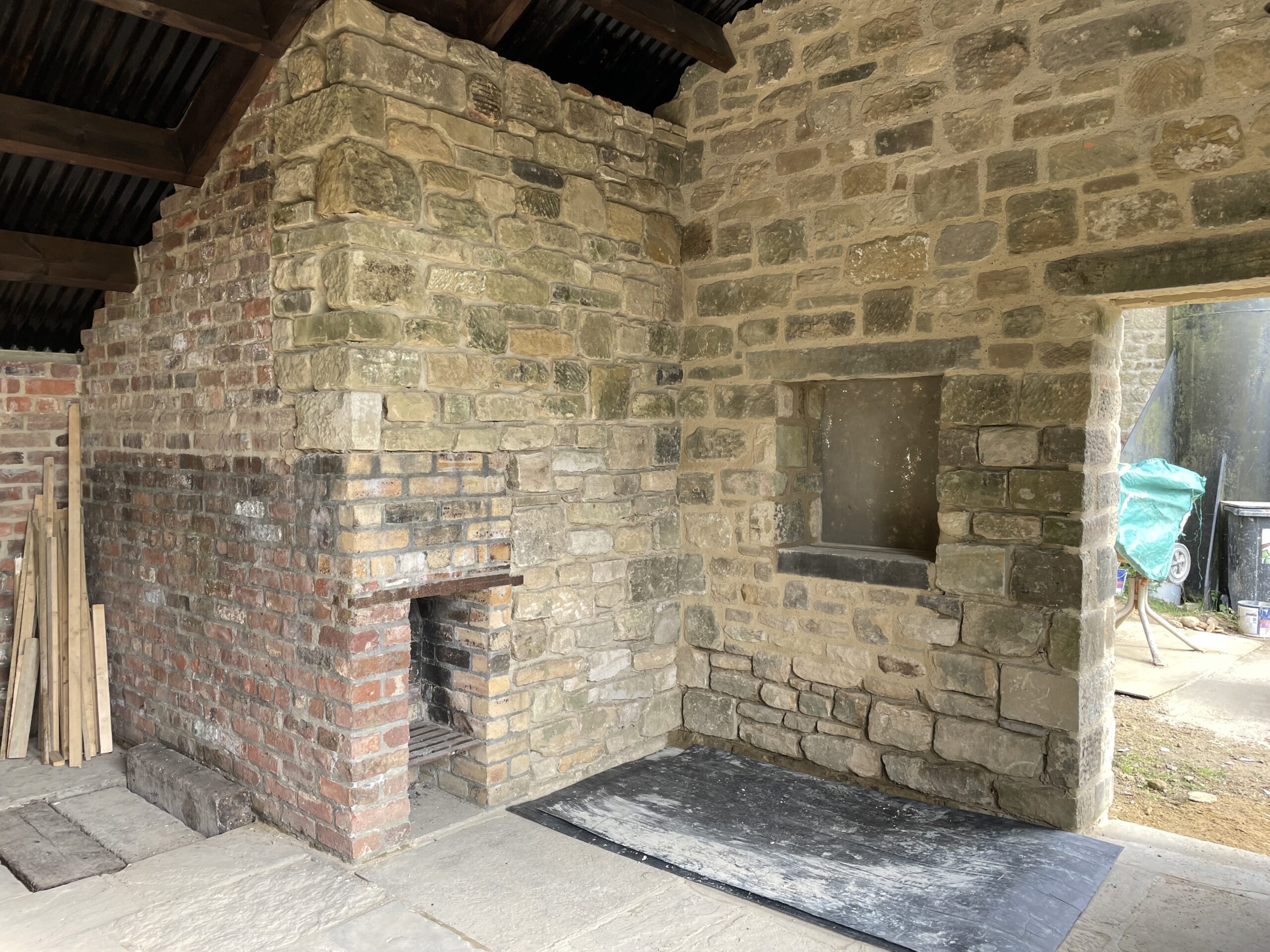
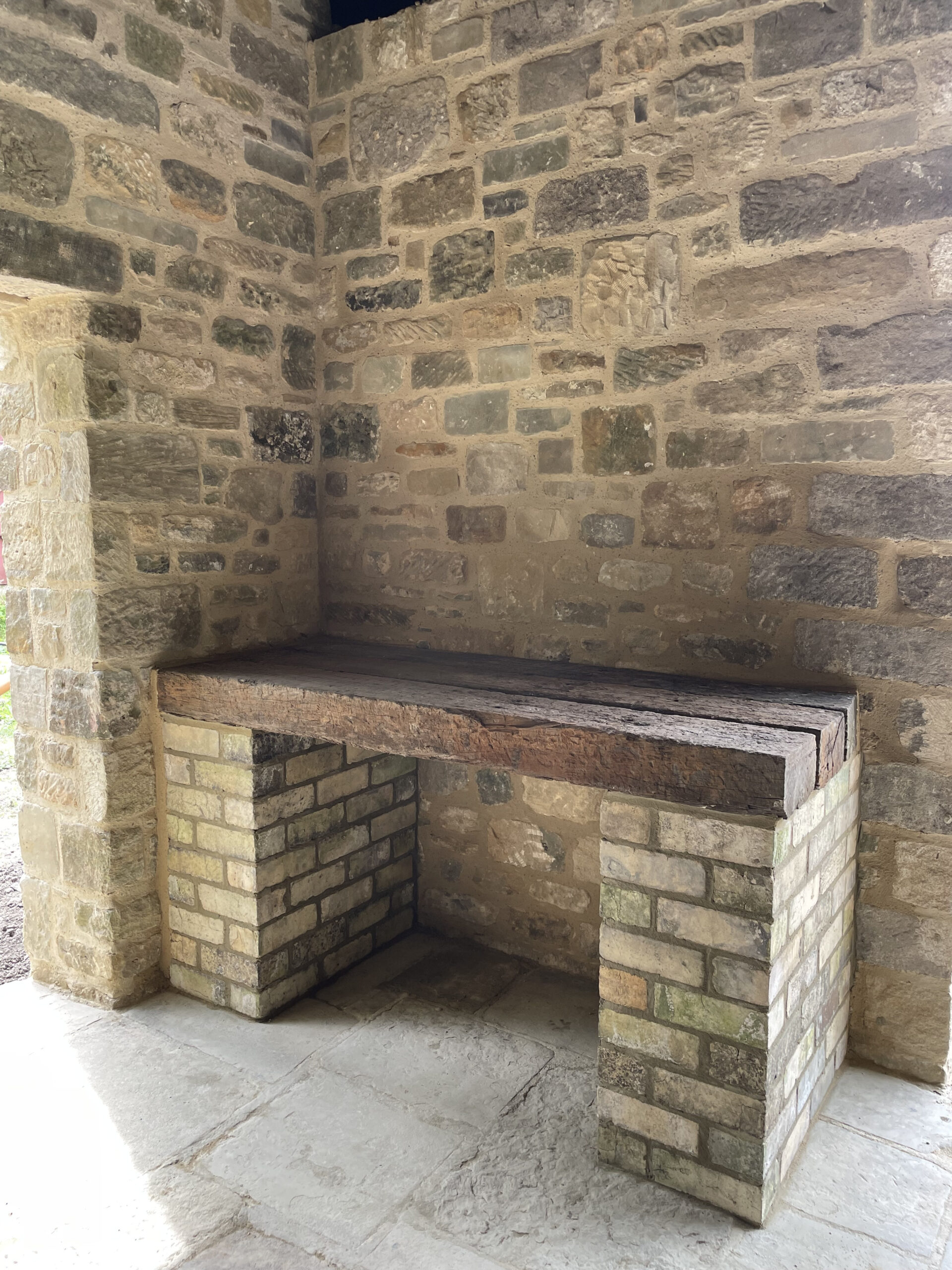
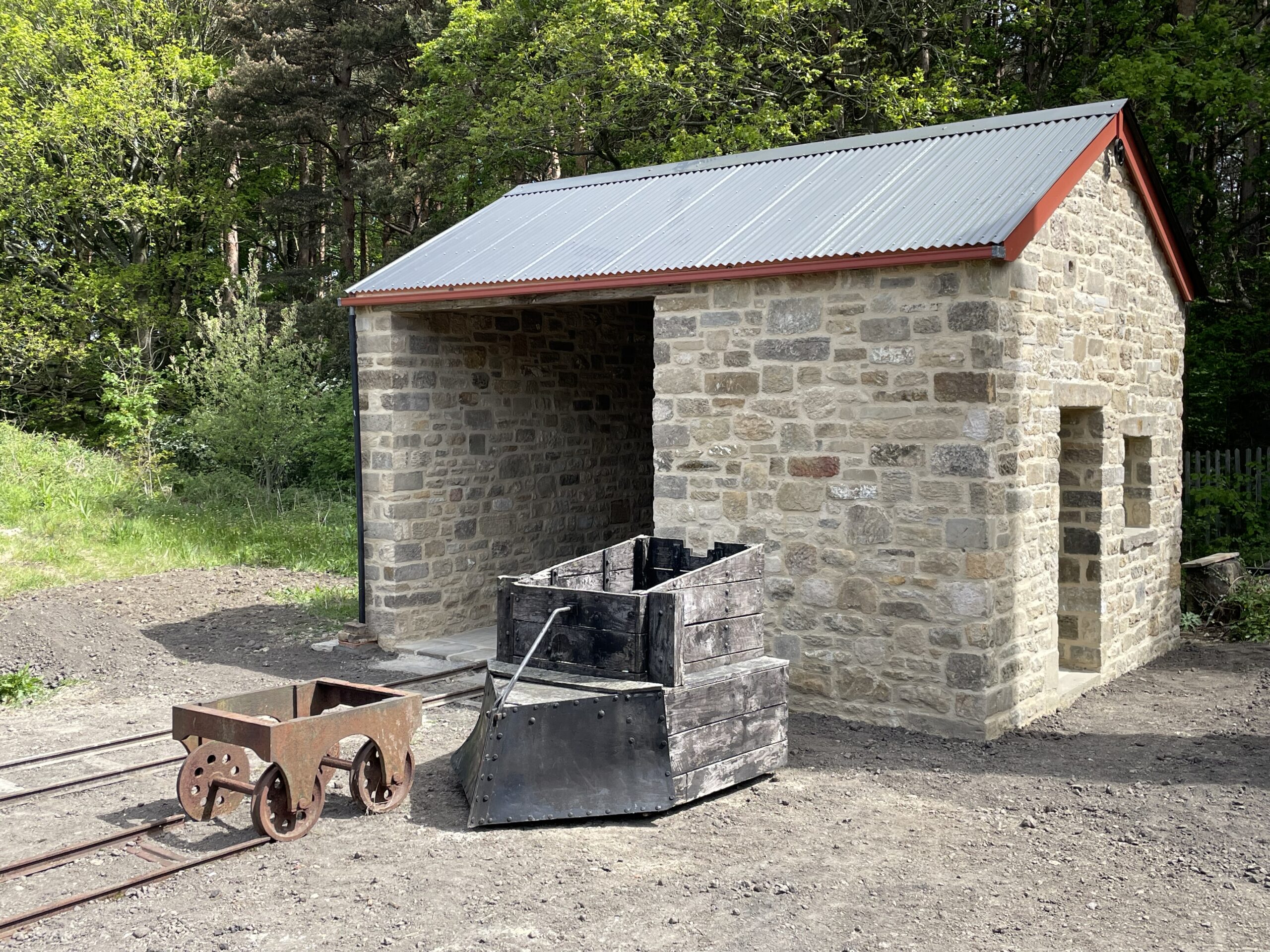
Below: Work on the narrow gauge engine shed is nearing completion. Internally, the pointing continues. The fireplace corner has had a substantial workbench installed, set on brick pillars. I haven’t decided whether to whitewash this corner – as this would be the space in which respite and rest would be taken by engine crew. Once we have doors, fit out can then follow, to add the details to this new period space.
Below: Externally, the siding layout has been adjusted to enable a wagon of coal to be parked in a handy position, and the Rookhope snowplough to be displayed in a more meaningful manner. Installation of doors, window and the final sections of drainage will be completed once work on the new level crossing gates for Rowley Station have been constructed. The fencing around the shed area will be restored in coming weeks.
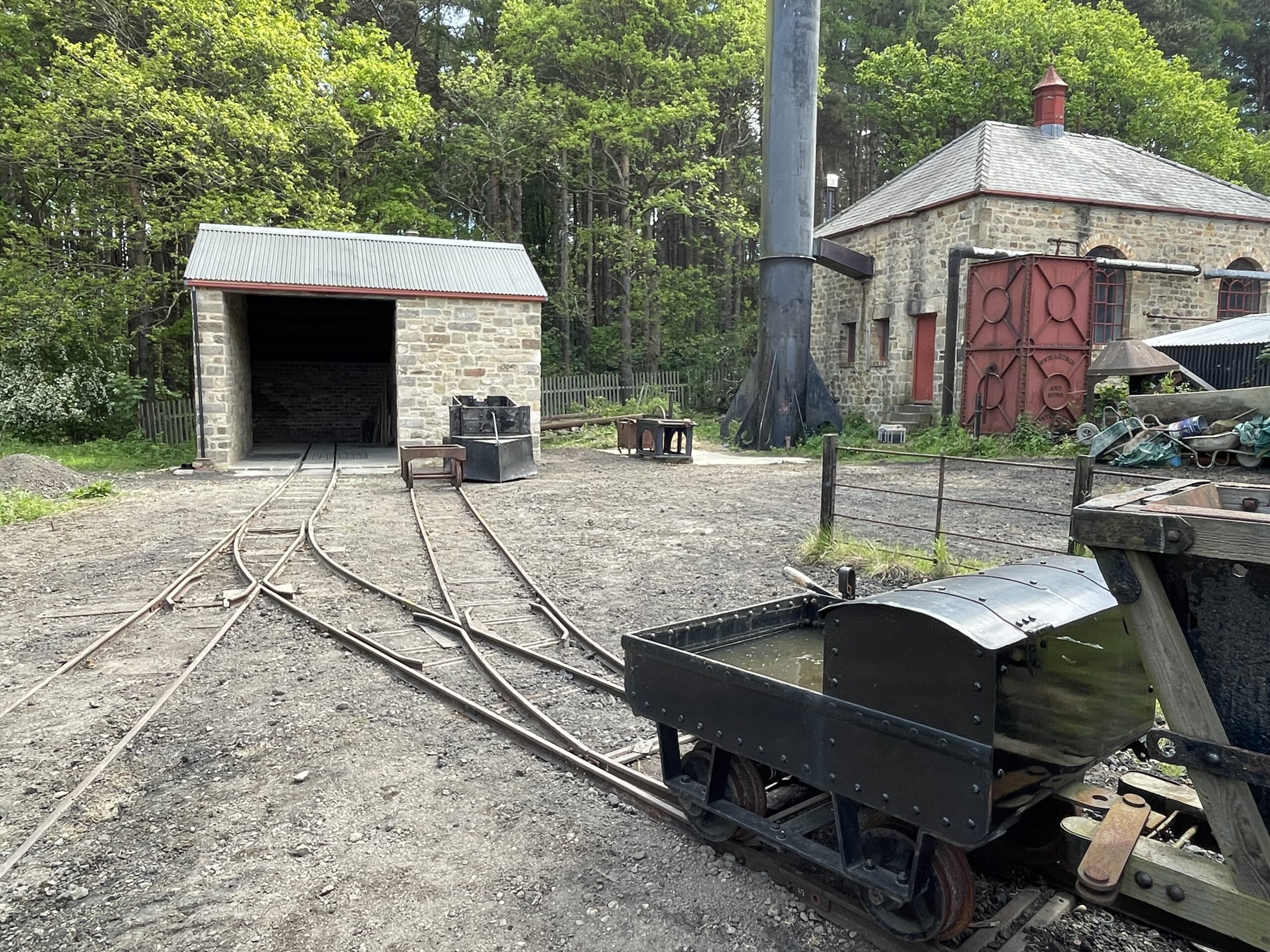
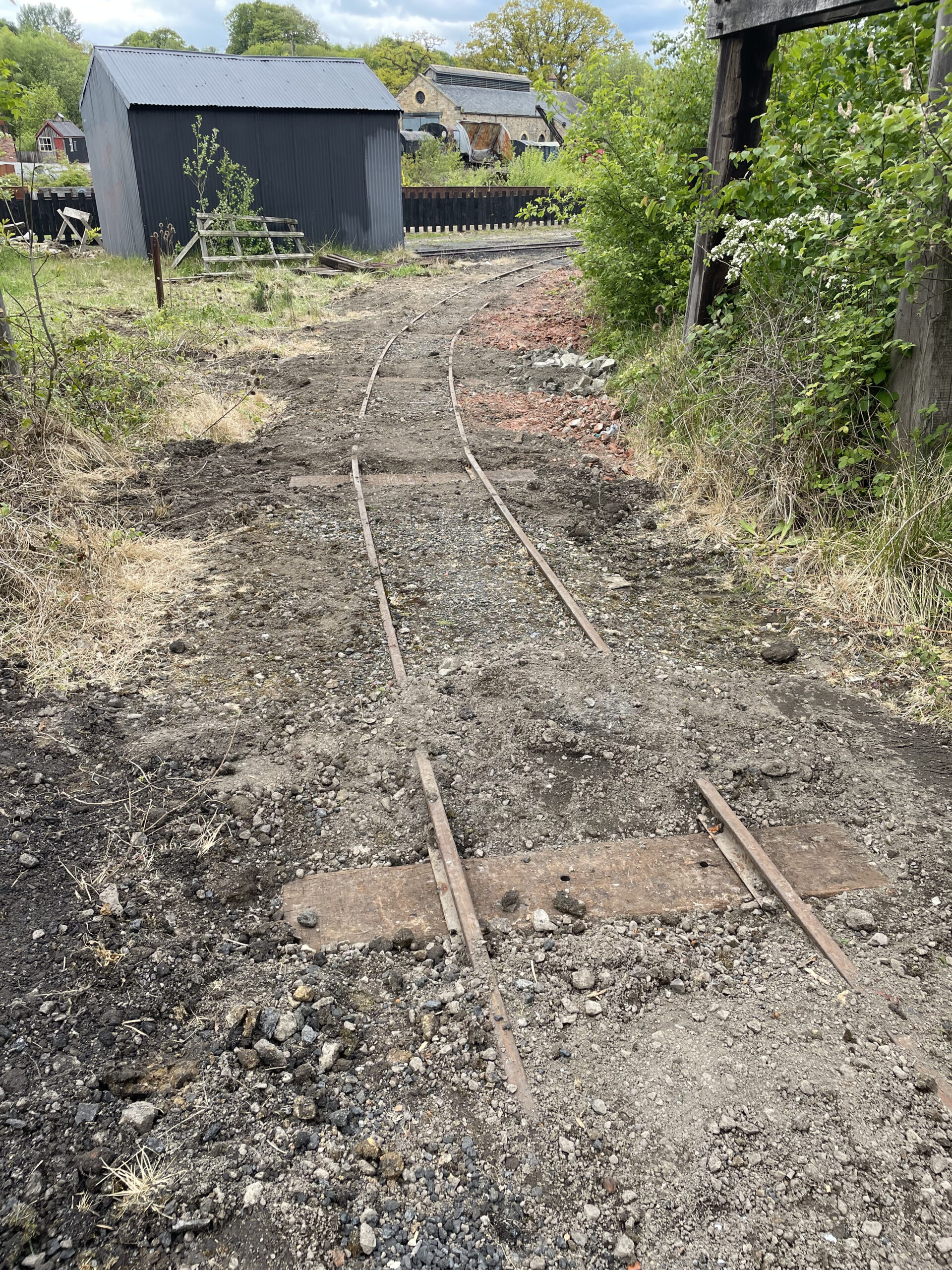
Below: The curve approaching the shed has had some attention, with substantial sleepers and rail fastenings being introduced to this section of line.
Rowley Station
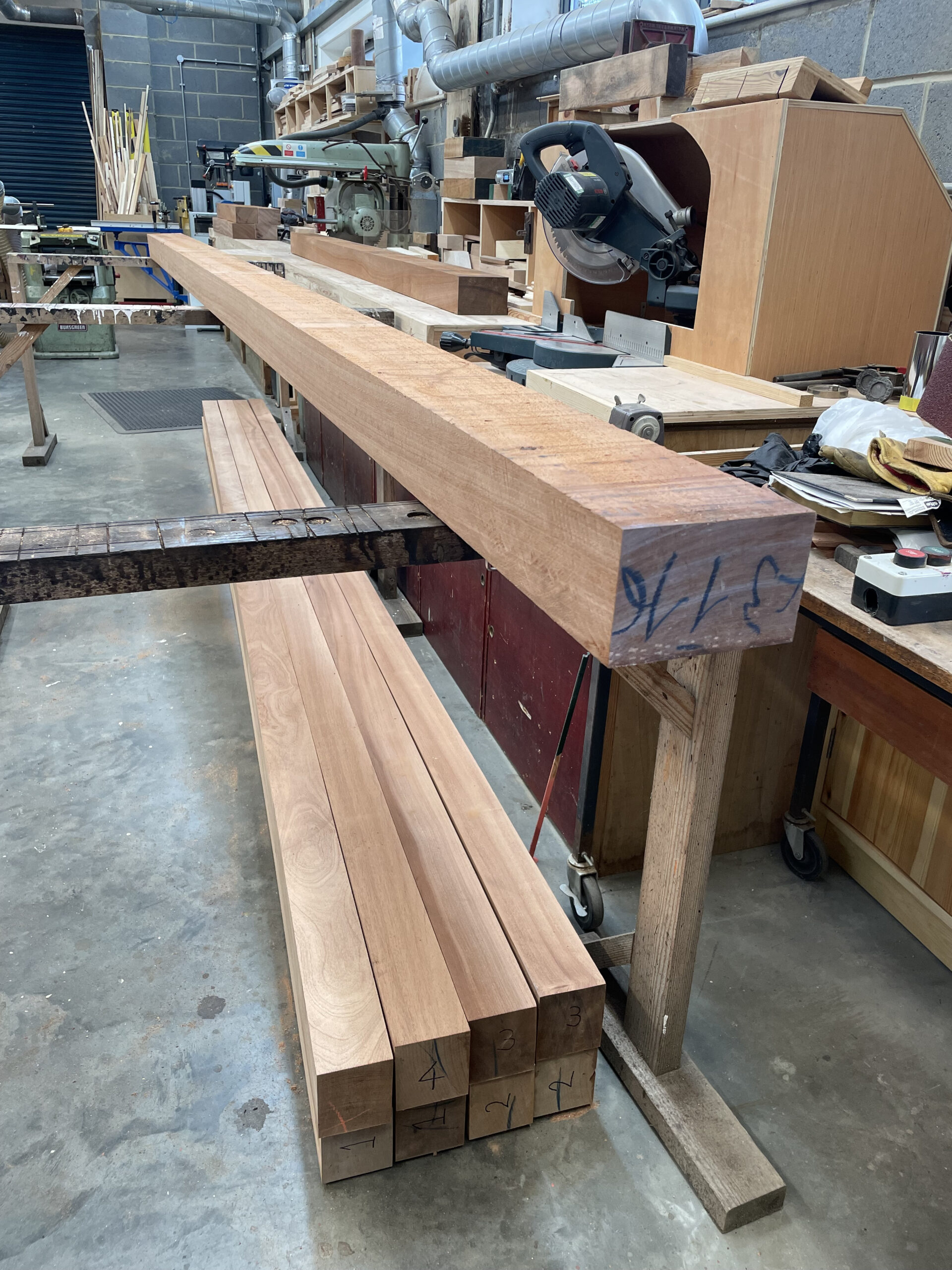
Below: New level crossing gates are being manufactured in the building team joinery workshop. Shaun is using NER drawings to make these gates, which will replace a more generic design previously in use (and which had deteriorated in condition despite repairs being made over the years). The gates are being made from Sapele, an African hardwood with properties that lend it very well to this sort of project.
Tramcar update
Gateshead 10 – work is focussed on assembling the destination boxes and advertising panels. The air brake system testing has confirmed a fault in the emergency valve (that would be actuated by the conductor) and so this will require attention in the machine shop.
Sunderland 16 – procurement of replacement tyres is in hand, tram out of service.
Blackpool 31 – After repairs were completed (to replace two bogie frame stretchers), the tram re-entered service on the 23rd May. It is planned to lift the tram next winter to overhaul the rest of the bogie components and restore the tyre profile. Motors to be inspected/overhauled as required. Cosmetic attention is not anticipated this year, but will take place in 2027/28.
Newcastle 114 – Contractor advises that the work on the controller is progressing, albeit slowly, due to the need to remove asbestos from the inside of the case. Meanwhile, the repainting work is largely complete with just a few details outstanding in readiness for a return of the controller and the tram’s re-entry into service after a rather protracted period of unavailability.
Oporto 196 – In service but with the bodywork beginning to look very tired. Waiting on some stability in the rest of the fleet (in terms of availability) before withdrawal for overhaul.
Sheffield 264 – In service. To be re-tyred in 2027
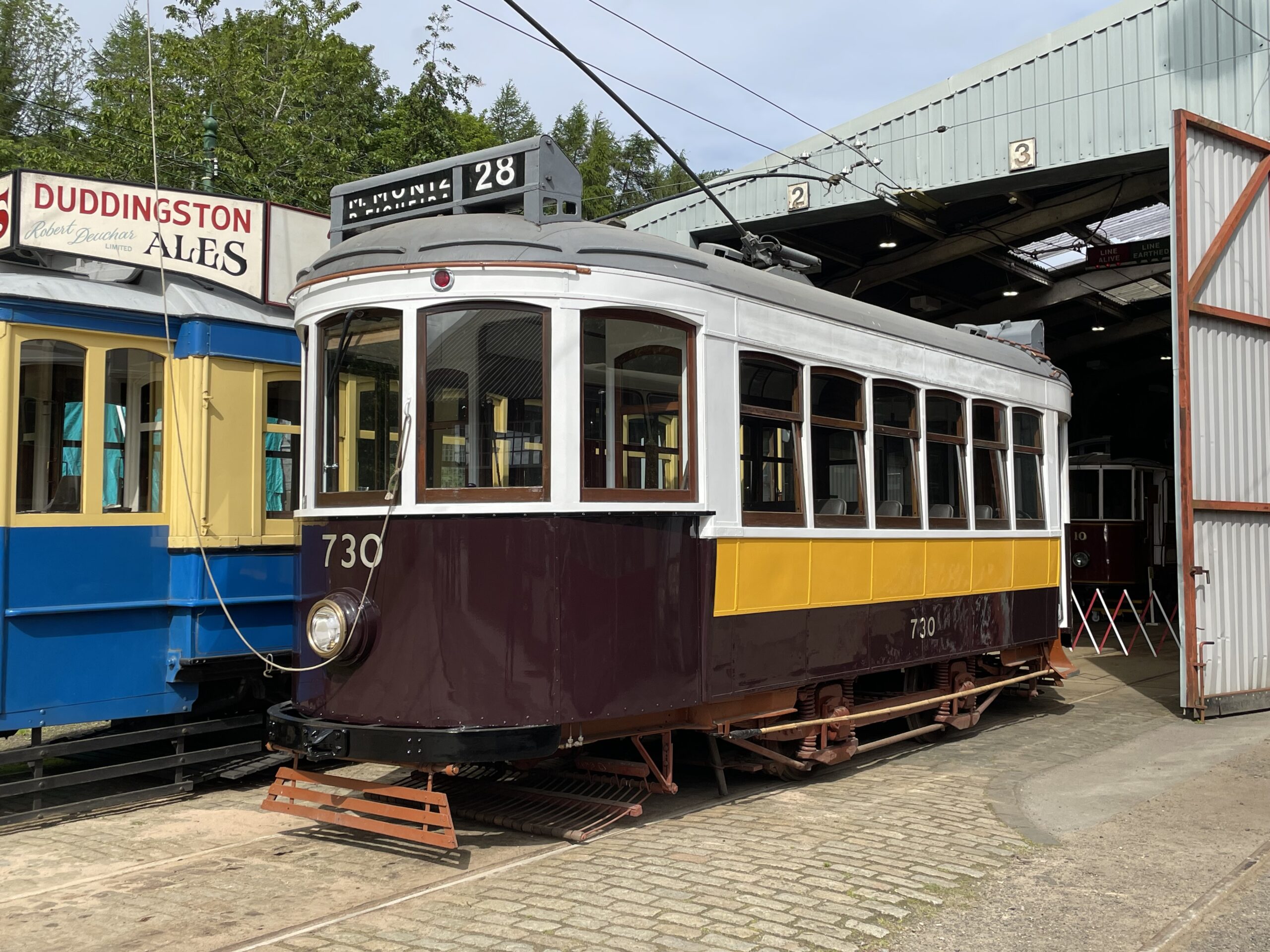
Lisbon 730 (below) – work on the paintwork continues as and when the chance occurs. Waiting on pit and staff time to drop the motor(s) to examine the critical centres dimension between armature and axle. Inverter (for low voltage electrics) in stock for installation at a future stage in the Safety Verification and commissioning process. New Newcastle Corporation crests have been procured for both this tram and Newcastle 114.
Darlington Corporation Transport Bus Shelter
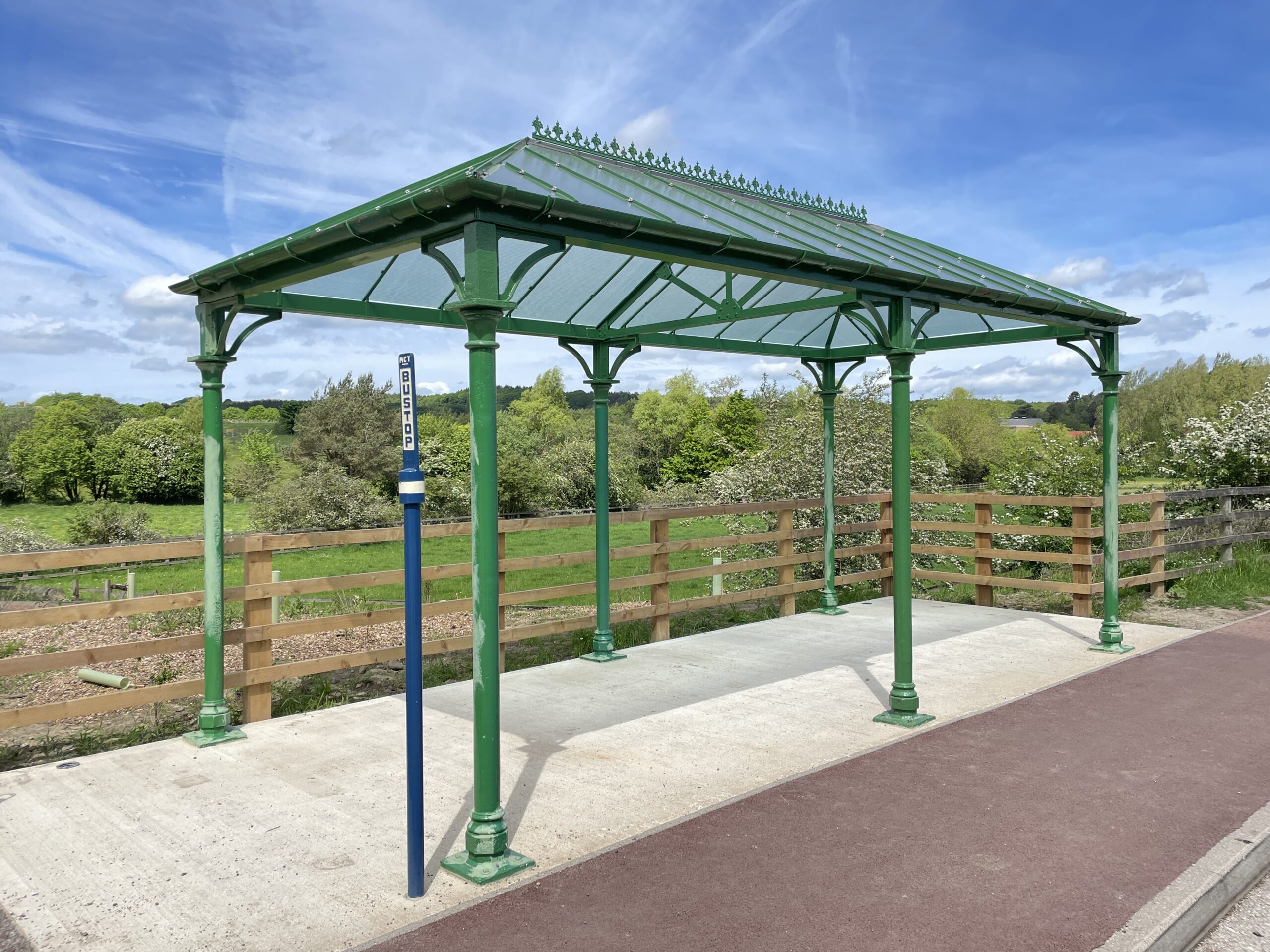
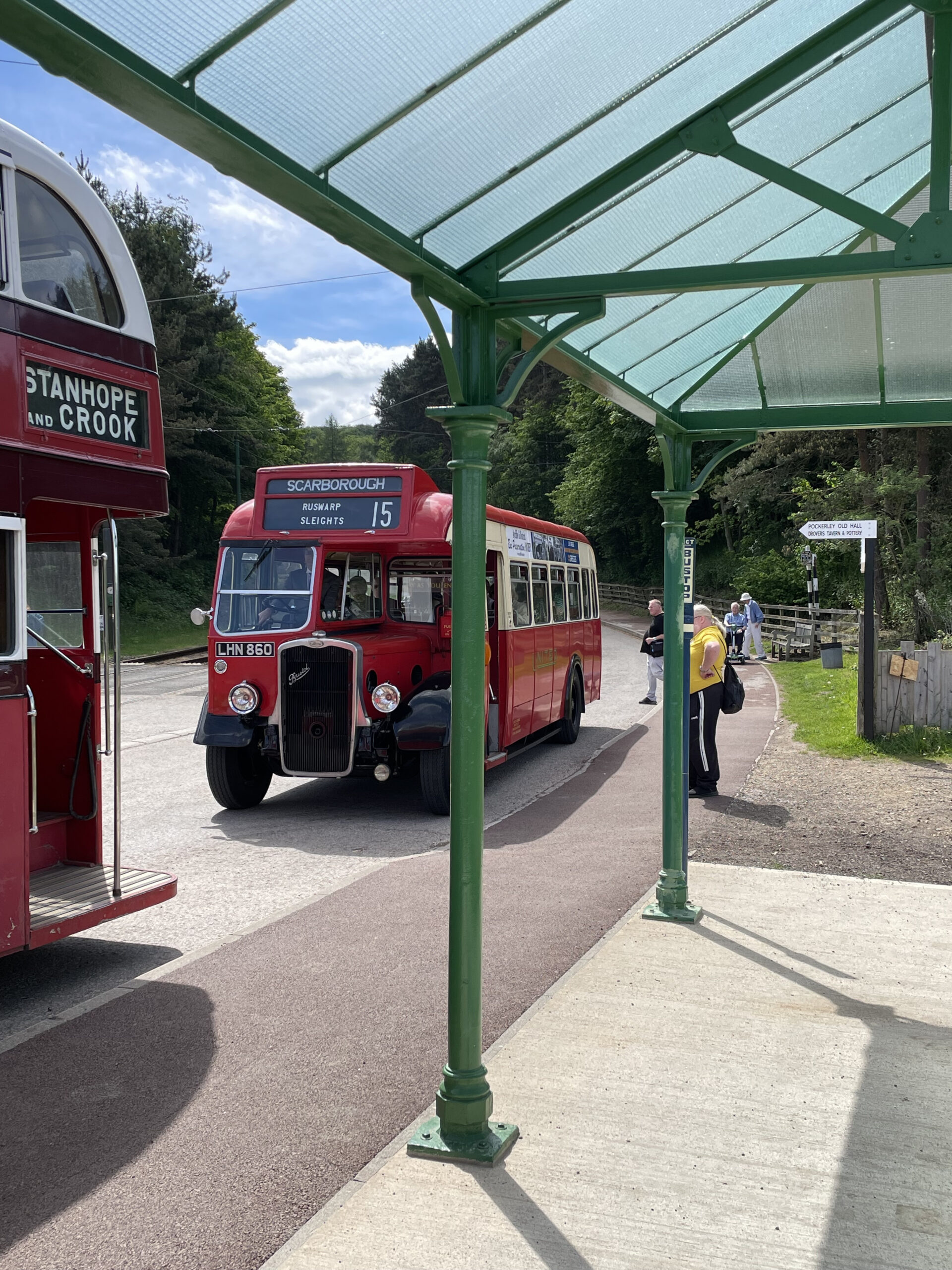
Below: This project will be concluded in more detail in a separate post, but the physical restoration was completed in time for the shelter to be used on the 23rd May (the start of the Festival of Transport). Completion of the paintwork and installation of benches and signage remain to be completed, but the project itself is now reaching its conclusion and this new and attractive piece of street furniture is available for the convenience of museum visitors.
A day in the life…
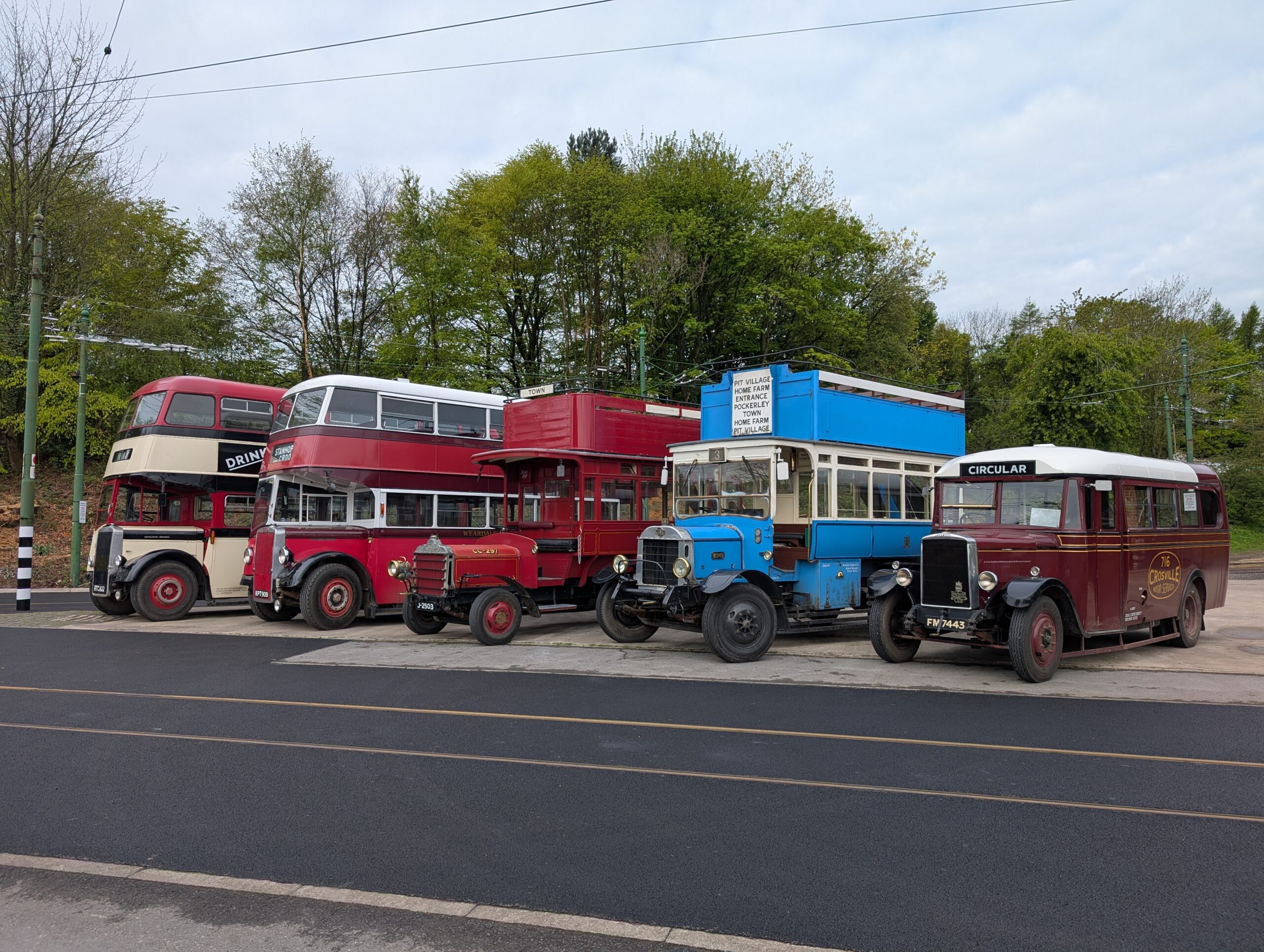
Below: One of the supervisors, Luke, sent this photo of the bus fleet lined up ready for a day in service. Add to this the trams, and it makes for an impressive daily operation! Leylands dominate, with 18 and KPT 909, plus Crosville 716. The B-Type is fitted with a Leyland engine, so this really leaves just the Daimler CC to represent other manufacturers in this view.
Photos in this post by Phil Doran, Luke Griffiths, Paul Jarman and Phil Smith


Recent Comments