

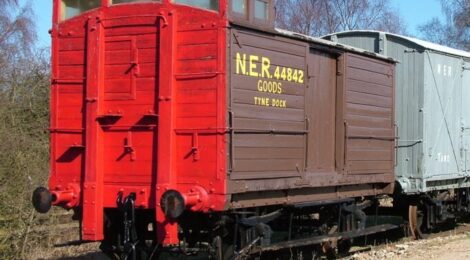
North Eastern Railway Brakevan No.44842
This post has been in gestation for several months, as a suitable point to post it was awaited. New material was added to the post on a regular basis, and so I now feel there is sufficient to place this in the public realm and discuss one of the back-burner projects currently taking place. There have been some occasions where it has been covered by the Transport & Engineering Diary posts, but this is the first dedicated to the project and in part this is to make it easier to find using a search engine or the Transport Blog’s own search function.
I hope readers enjoy this post – it will act as a reference point for future posts on the subject.
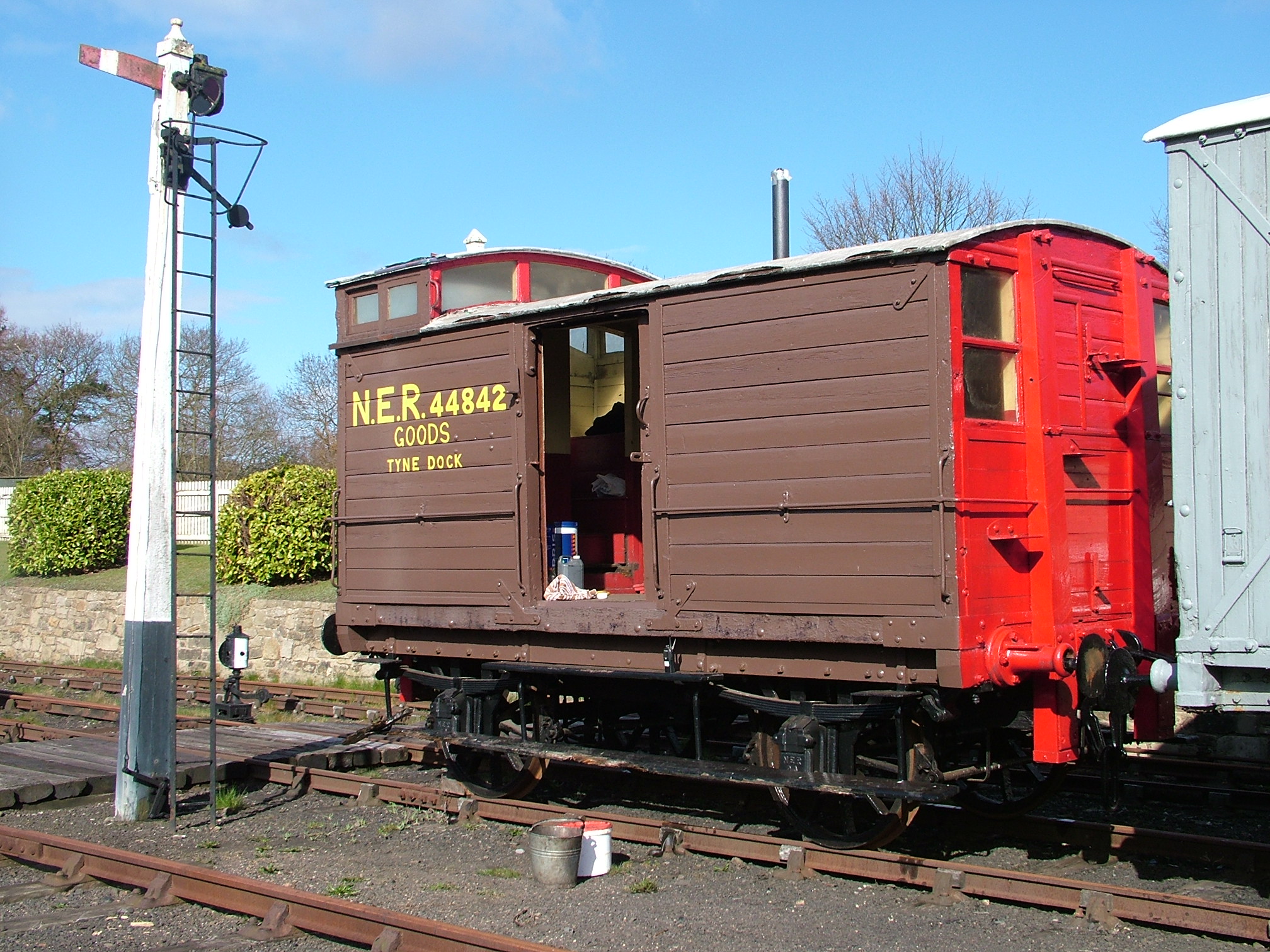
Below: In the mid 2000s, non-passenger operation at Rowley Station (also known as The North Eastern Branch) re-started. At the rear of the demonstration goods train was NER brakevan No.44842. At this time the roof canvas had already perished and water had entered the structure. A mixture of external as well as internal storage followed, as the brakevan awaited attention. This finally came in 2026 when the vehicle entered the scaffolding within the Regional Museum Store railway section, to allow work to commence, and for the condition, below the paint and remains of the roof, to be revealed.
History and first restoration
In 1970, Beamish was offered (and accepted) a North Eastern Railway Brakevan, of the type commonly referred to as ‘Birdcage Brakes’ on account of the raised observation vestibule used by guards to monitor their trains and apply the van’s brake when required to assist the driver of the locomotive – the trains themselves not having brakes on the wagons that could be controlled by the engine driver or guard.
No.44842 was built to diagram V1/1 (this denoting the ‘model’ and drawing reference) at York in 1895. The van at Beamish incorporates components from two vehicles – No.44842, and another York-built 1895 example, No.42221.
The pair had been sold from service into industrial use prior to 1920 and 1921 respectively and were employed as platelayer’s vans at Port Clarence on Teesside, which at the time operated a private railway network under the control of Bell Brother’s Ltd (a subsidiary of Dorman, Long & Co Ltd). By the time the brakevan was offered to Beamish, the site was being operated by the British Steel Corporation (Chemicals), as their Port Clarence distillation works.
The pair were observed by a group from the Teesside Industrial Archaeology Group in 1969 and their enquiries resulted in the offer of one brakevan to the then nascent museum at Beamish.
Below: No.42221, the van which donated its birdcage and other components to the restoration of No.44842.
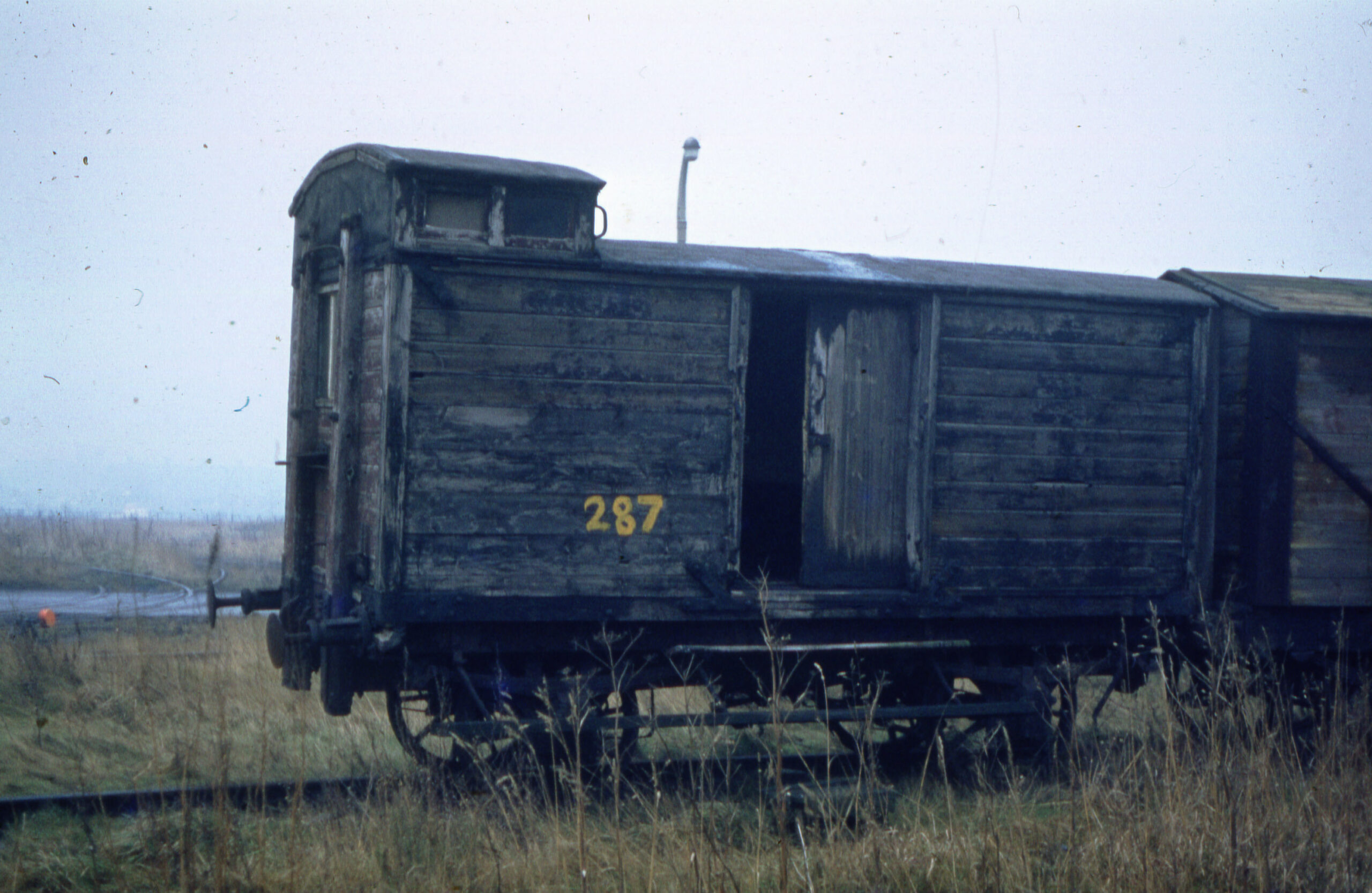
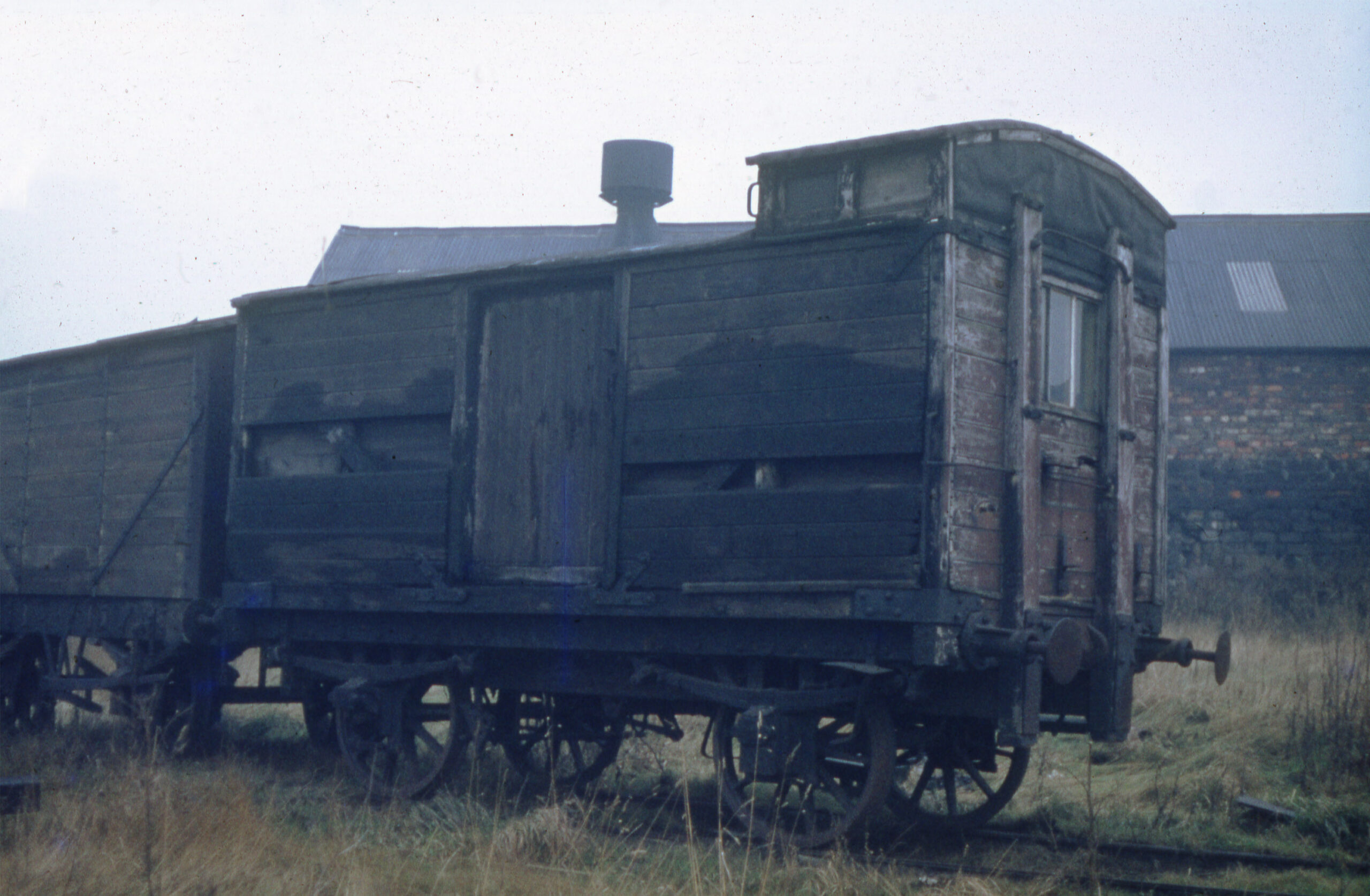
Below: Former North Eastern Railway Brakevan No.44842 at Port Clarence prior to work on its restoration commencing. The birdcage had been removed for its new role as a store van but its origins are unmistakable.
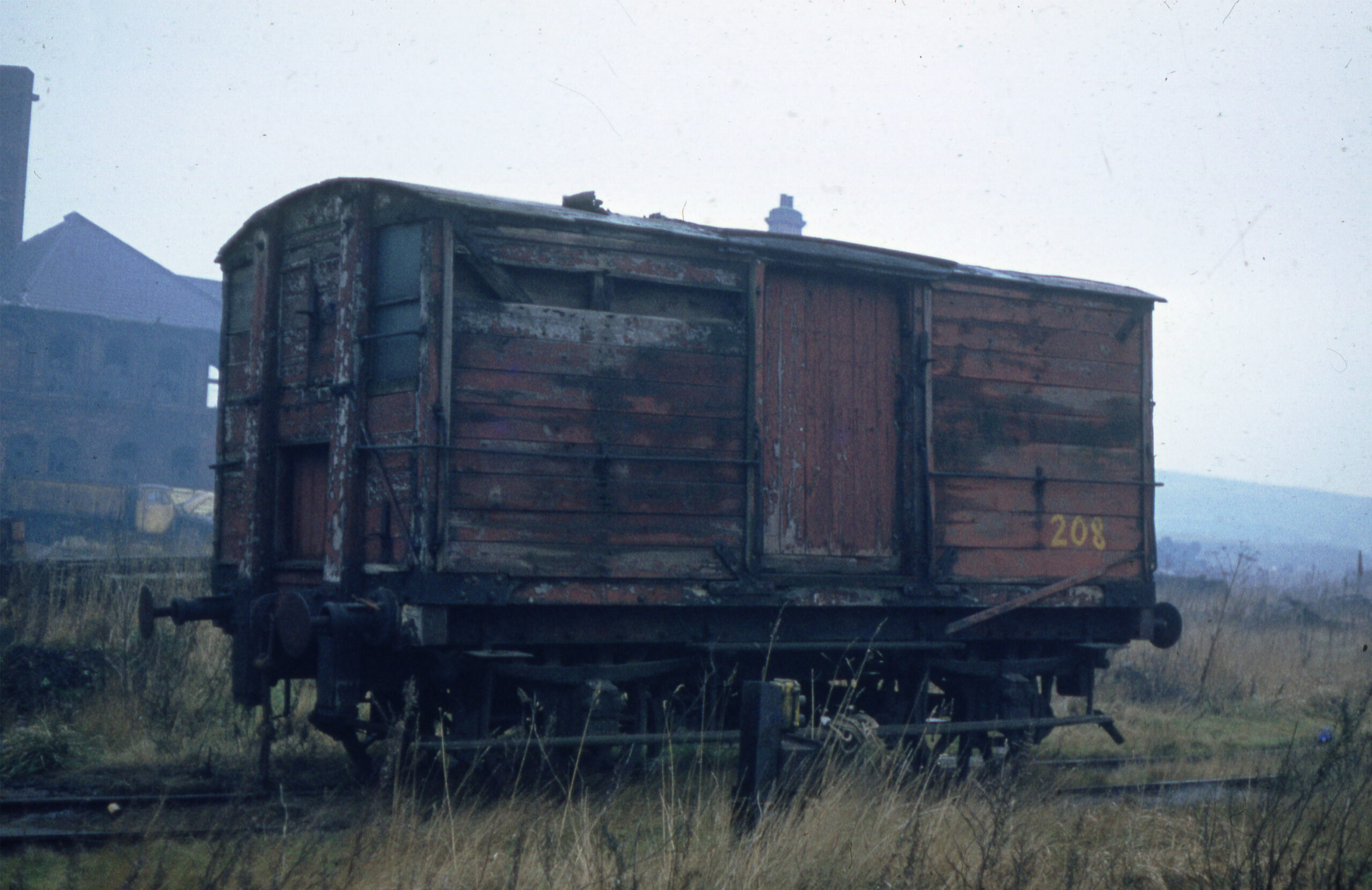
Below: Restoration work was carried out with the van in situ at Port Clarence. Parts were salvaged from No.42221, including the birdcage, and combined with the remains of No.44842 whose frame was considered to be in the better condition of the two, and which retained its brakegear. The handrails were salvaged from an example that had survived as an allotment shed in Shildon – possibly the example that existed until relatively recently in the town. The brakevan was then delivered to Beamish and is seen here on the site of the future goods yard development.
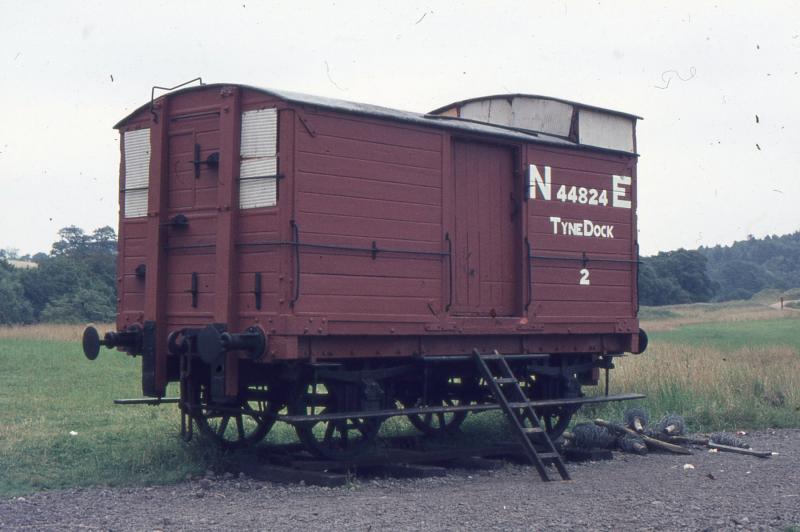
Below:Volunteers worked on Sundays, in the outdoors and with no facilities, completing the project which was outshopped in NER Red Oxide livery (as was carried post-1911) though a ‘typo’ in applying the number resulted in the van being misidentified as 44824 for several years.
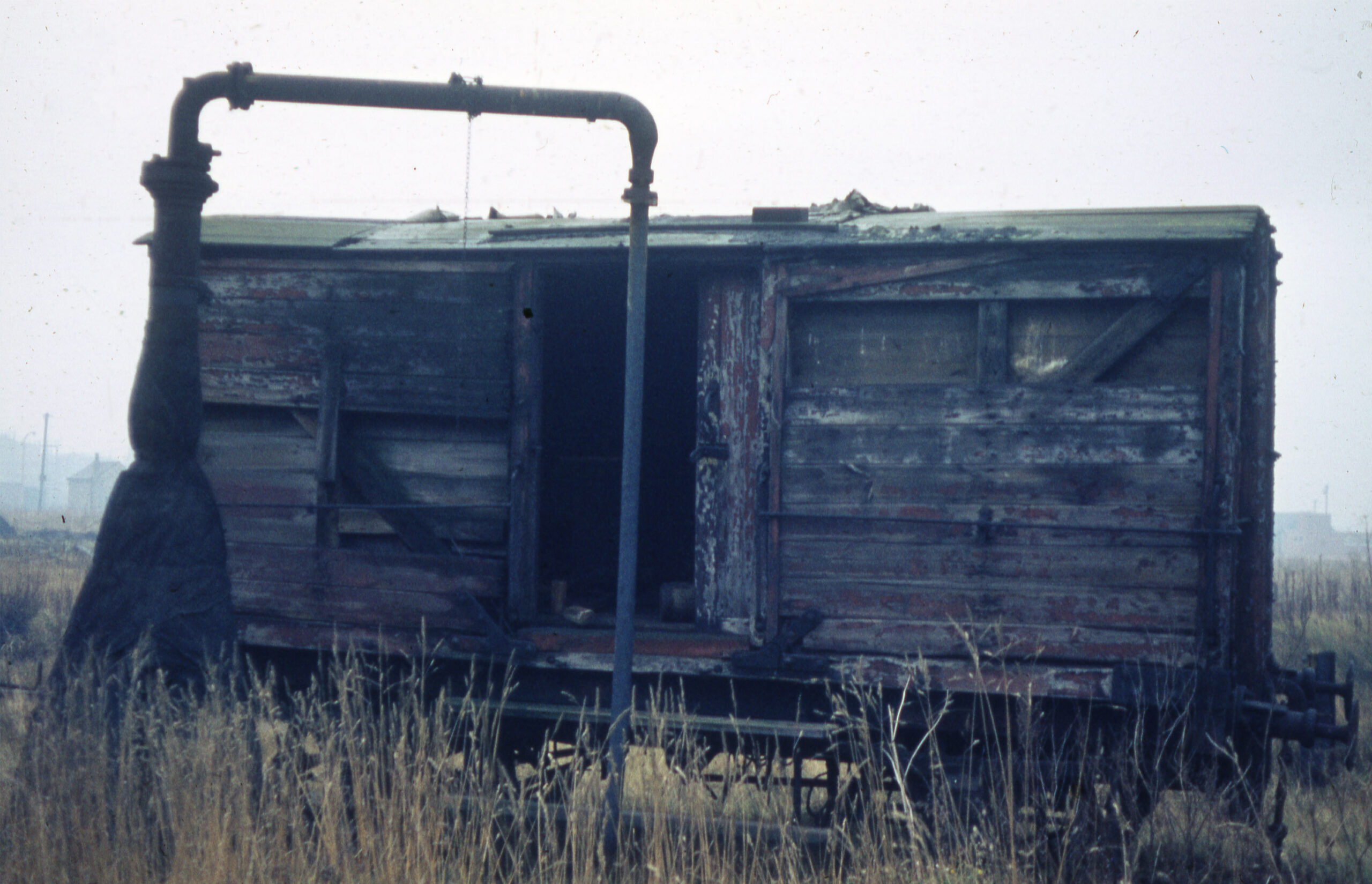
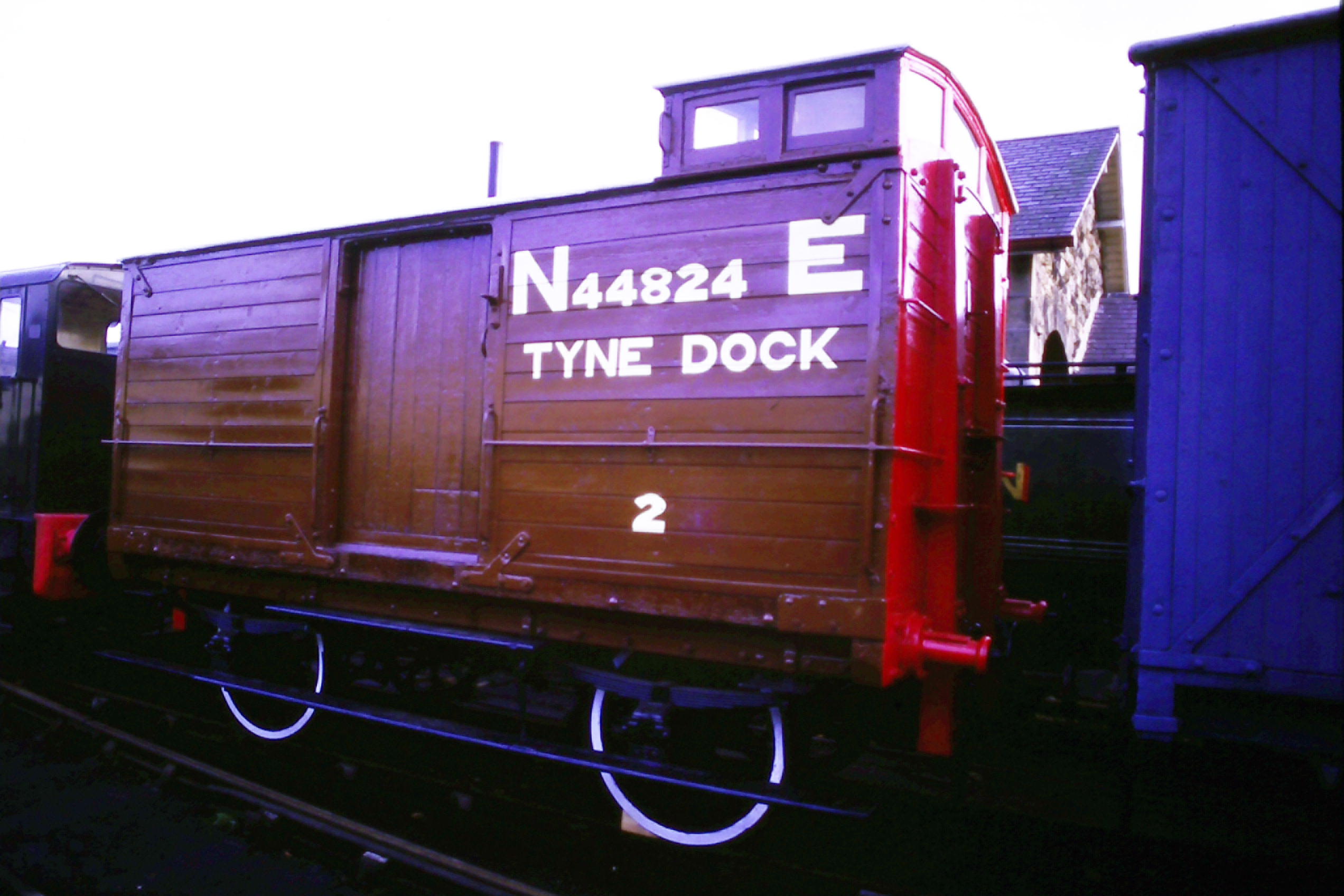
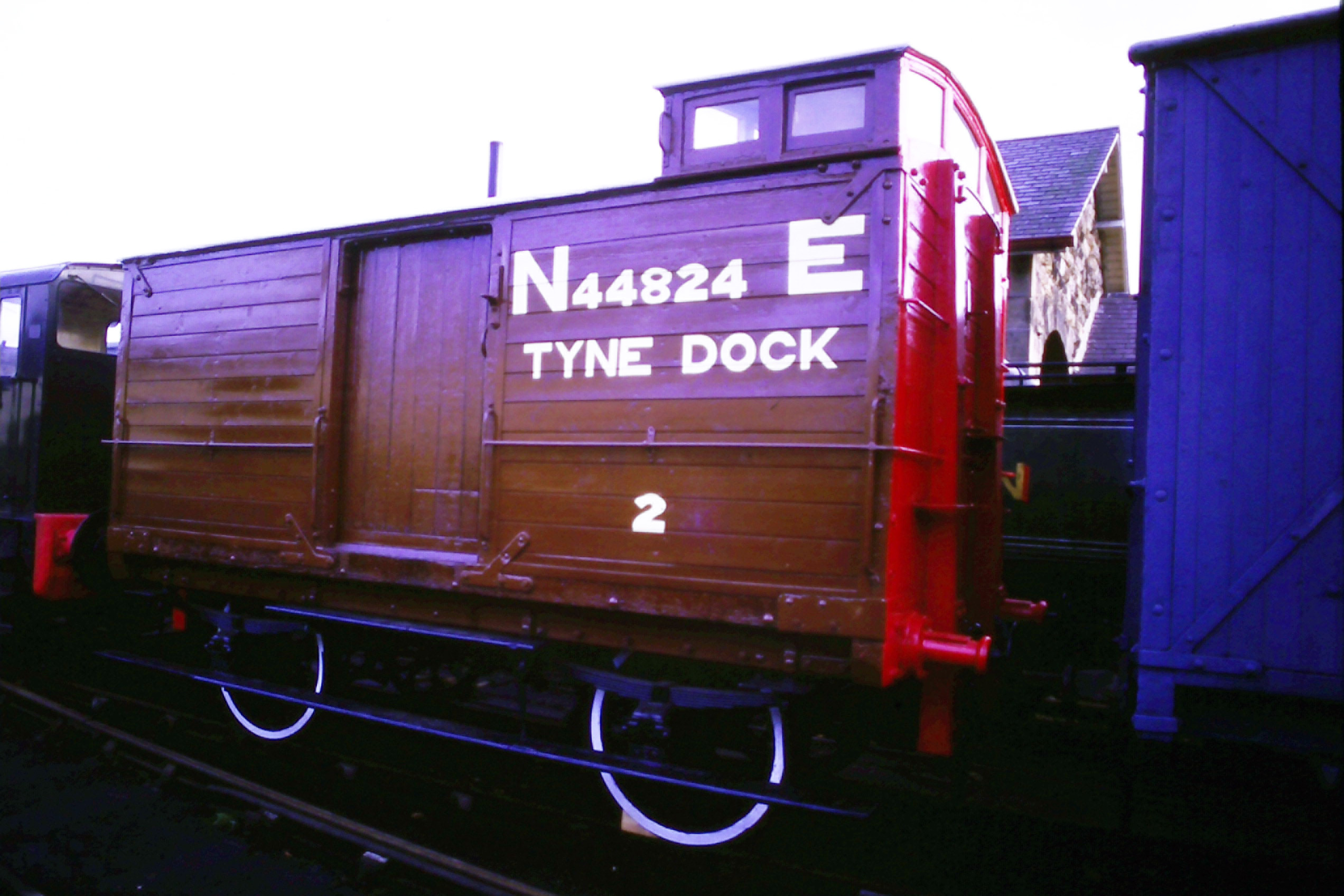
No.44842 became one of the first arrivals at the new Beamish Museum site in December 1972 (above and below), after a formal handover by Mr Lunn, the works manager to Frank Atkinson, Beamish’s founding director. No.44842 was later repainted into the pre-1911 livery of Brown Oxide with Vermillion ends, the livery still carried in 2026 when the most recent restoration and conservation phase began, though this would appear to be its second repaint into this livery during its time at the museum (see photo at top of page). Considerable research and deliberation, as well as consultation with experts, will continue with regard to the final livery and lettering van to be applied to the van – this is something that we certainly want to get right!
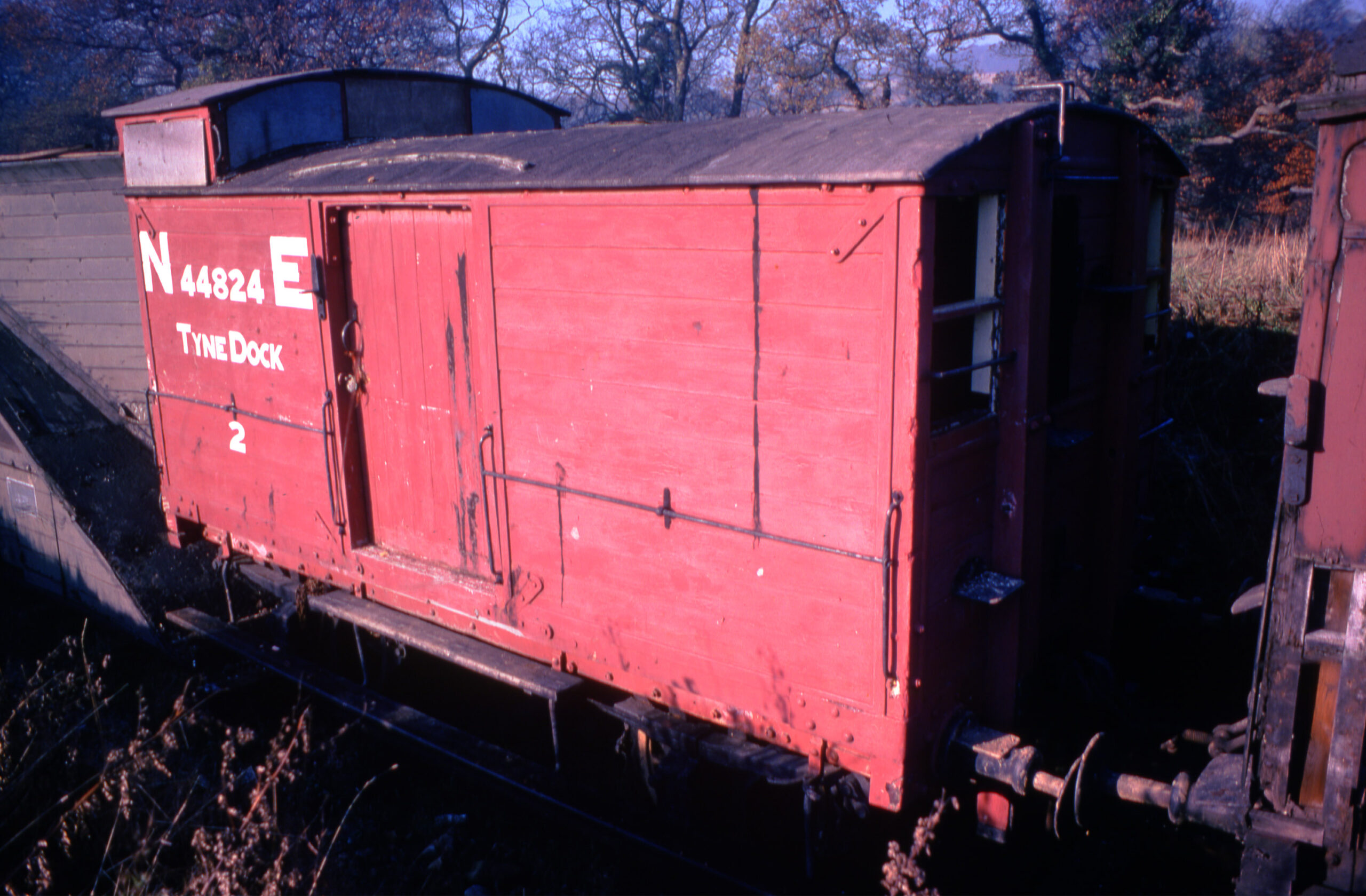
Below: This view shows 44824 after the first repaint carried out at Beamish, the number having been corrected but the lettering still not laid out entirely correctly.
Other NER Birdcage Brakevan survivors
Below: In 1970 Beamish was also offered an NER brakevan from the Tyne Improvement Commission (Port of Tyne Authority). This example was not collected, later being obtained by the Stephenson Locomotive Society in Newcastle and transferred to the Tanfield Railway where it remains in store. This van was No.28622, a Diagram V1/1 built in 1894.
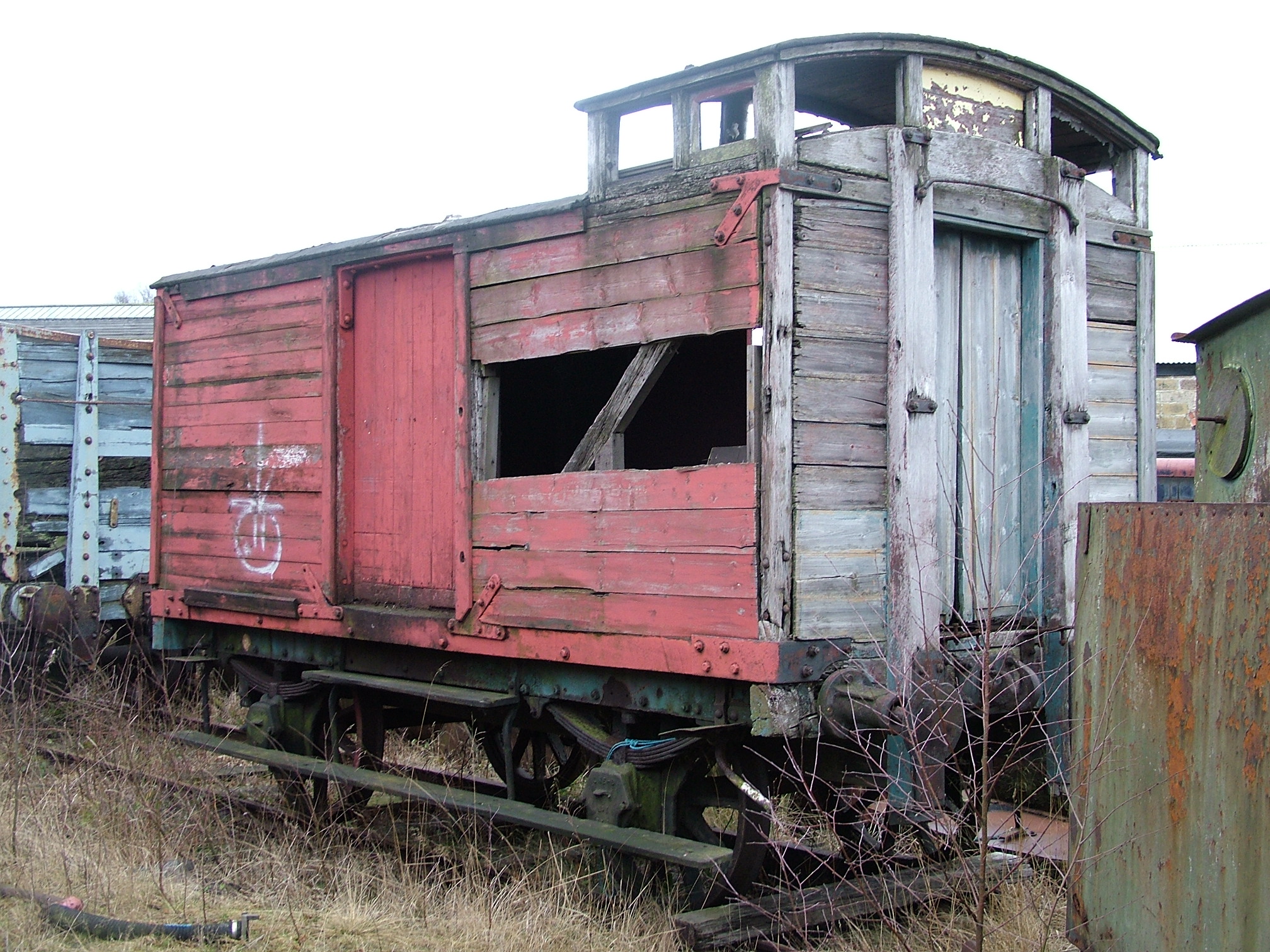
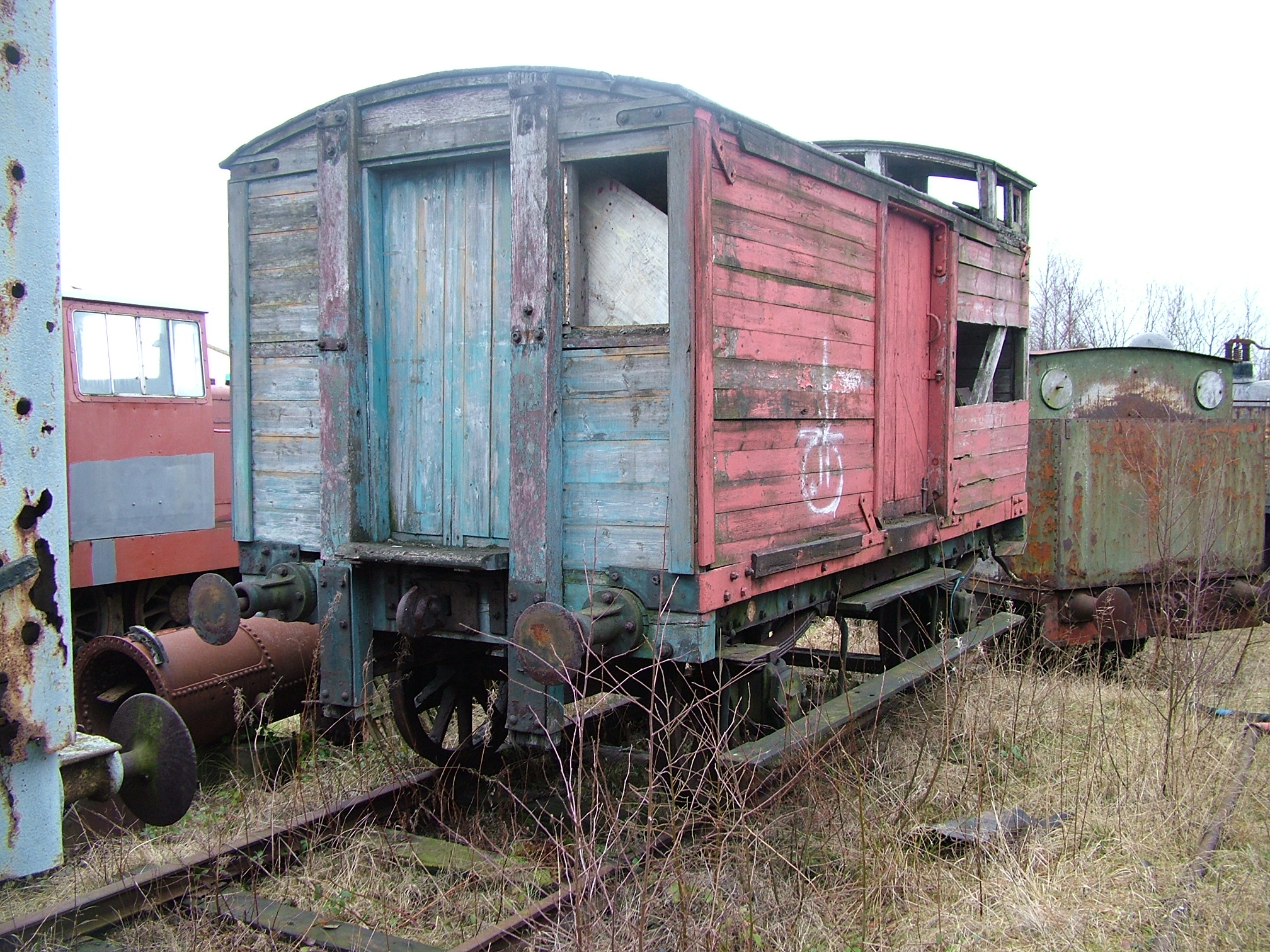
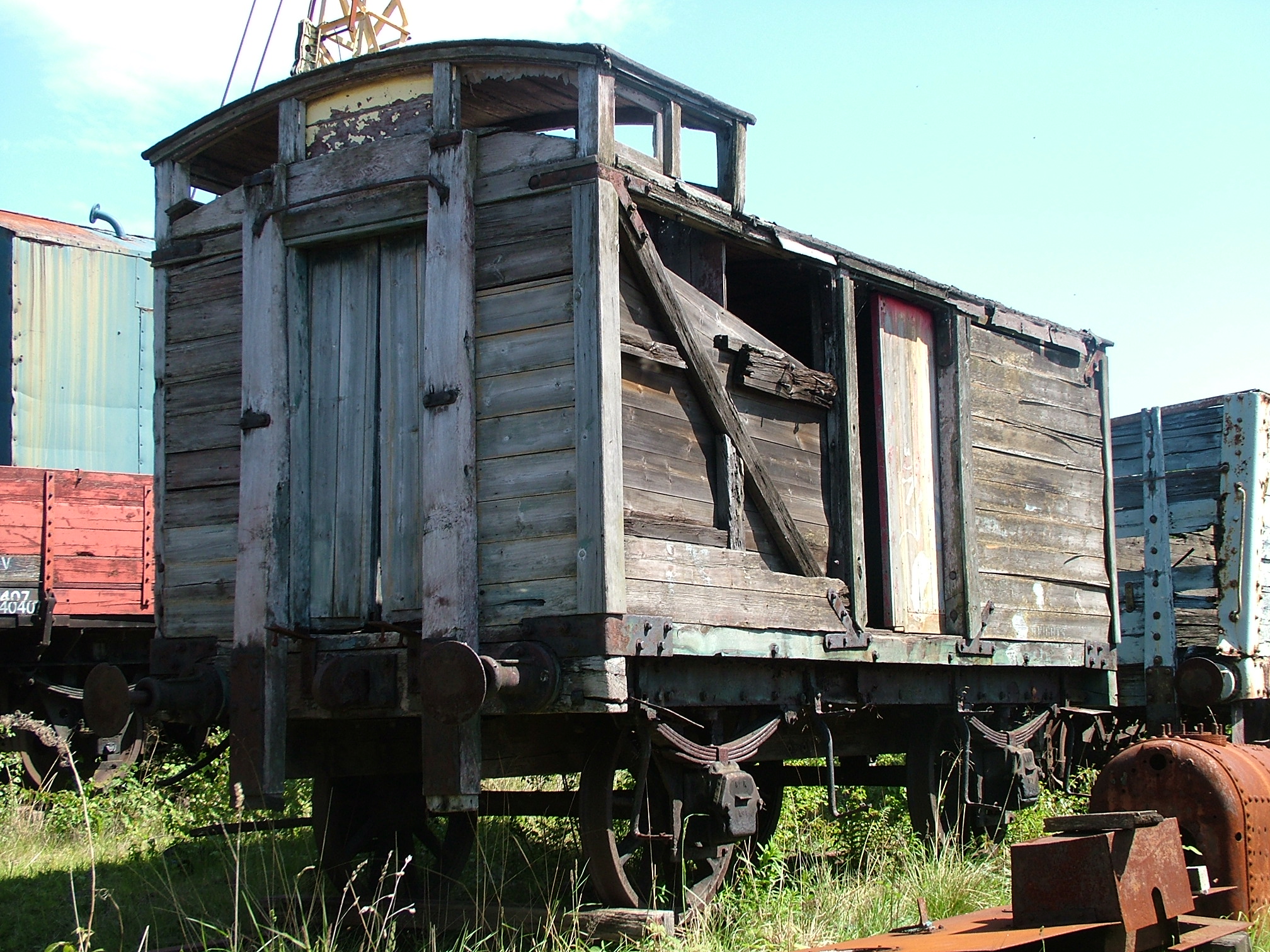
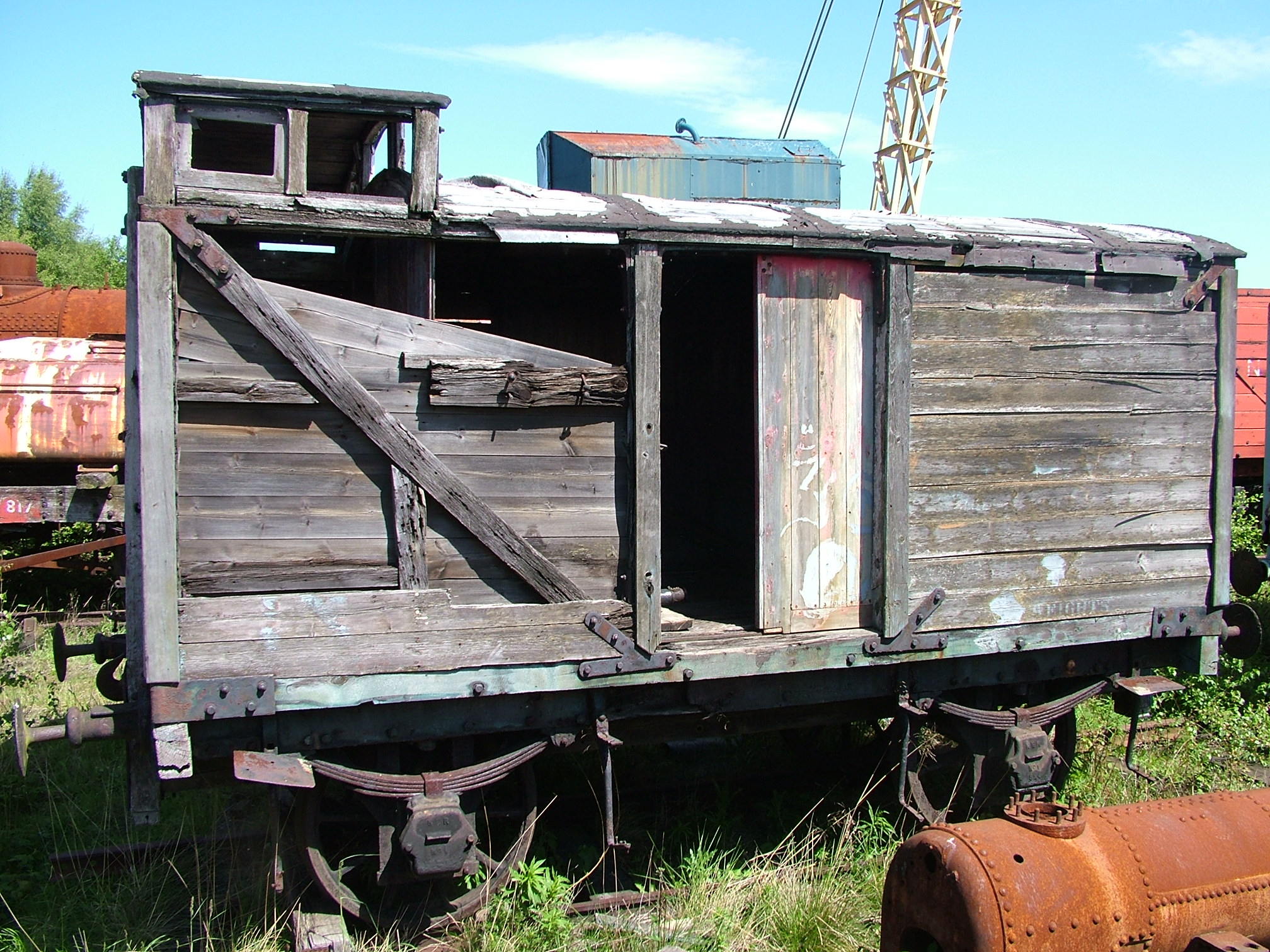
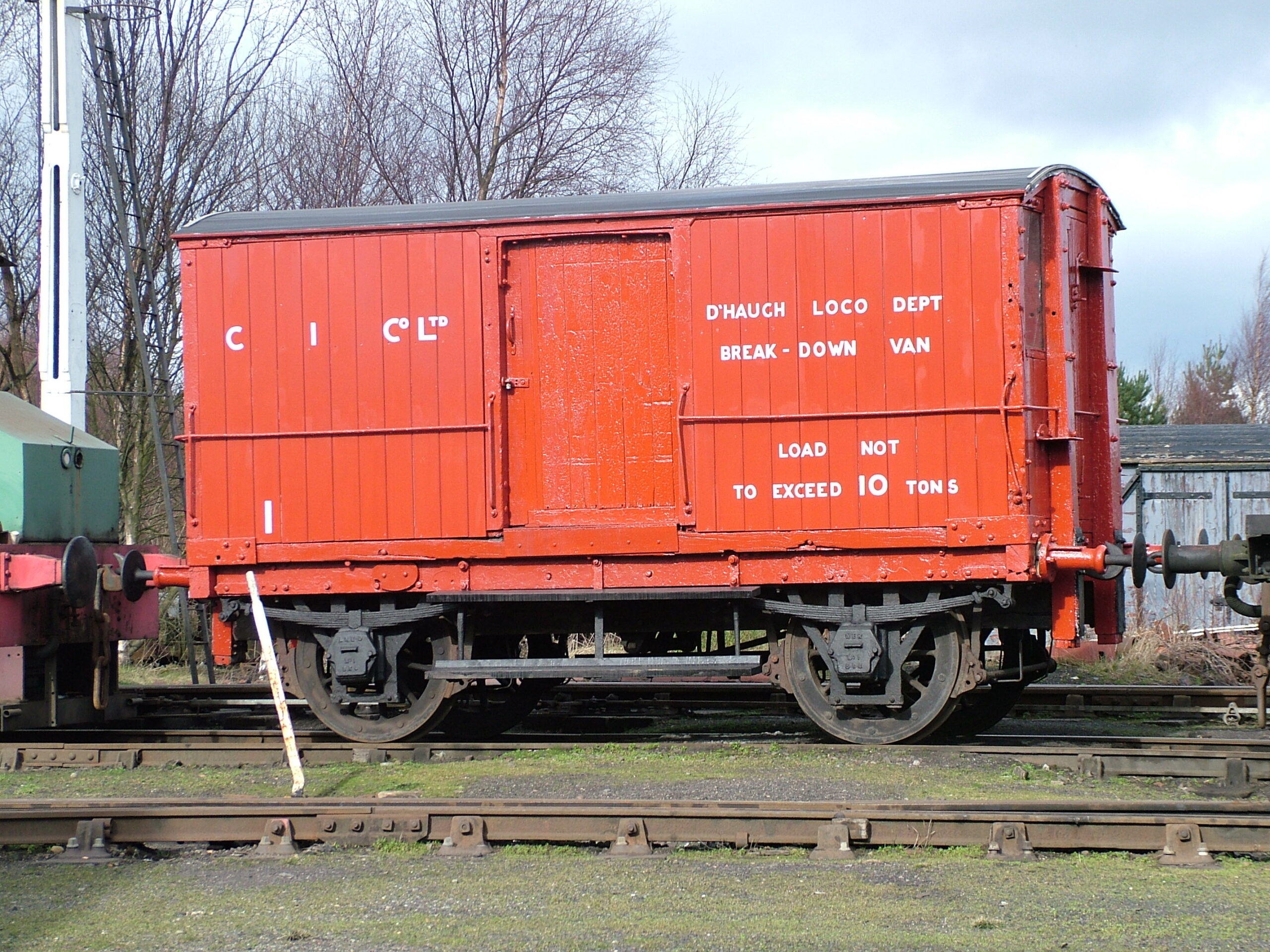
Below: This diagram V1/3 van (originally No.28662), also located on the Tanfield Railway, is a c1894-1901 NER vehicle with vertical planks and the birdcage removed when adapted for a new purpose in industry, being owned by the Consett Iron Company. The design is otherwise very similar to the V1/1 vans described above.
A fourth example has been restored for display at the Streetlife Museum in Hull, this being No.16625, a Diagram V1/3 with vertical planks which latterly worked at Associated British Ports, Hull, and was donated to the museum in 1984. It retained its birdcage and is thought to be a 1900 York-built example.
Second Restoration (or a process of conservation) for No.44842
The methodology for this project is not to carry out a complete restoration, as to do so would entail losing a great deal of original material. Instead, it will consolidate the existing structure, introduce new material where it is required to stabilise and strengthen the body framing, replace the birdcage as this is beyond salvage, and replace all the roof boards – for which reclaimed (and therefore very old and well-seasoned) Pitch Pine floorboards have been procured.
Water ingress as well as the challenges of carrying out the repairs outdoors during the 1970/71 restoration have manifest themselves in a need to entirely rebuild the birdcage, replace all the roof boards (and re-cover with new canvas) and to carry out substantial repairs to the vertical body frame uprights. The degree of rot, where it has occurred, is considerable, whilst other elements are still sound and perfectly usable – the veritable curate’s egg.
The running gear and brake components are in good condition, and as they are very original, are being left untouched, other than for painting and lubrication. The shorter side steps will be replaced, the longer side steps (that run the whole length of the van) having been replaced in the mid 2000s.
The work will be challenging, nonetheless, but the aim is to ensure that as much of the original van(s) is retained, with the prospect of occasional use at Rowley Station to show the Brakevan in use. The final livery will be the post-1911 Indian Red with Vermillion ends, in alignment with the curatorial setting at Rowley of 1913.
In 2029 we will celebrate the 175th anniversary of the North Eastern Railway’s incorporation, and with an event planned at Beamish to mark the occasion, it also makes an appropriate target for the completion of this project.
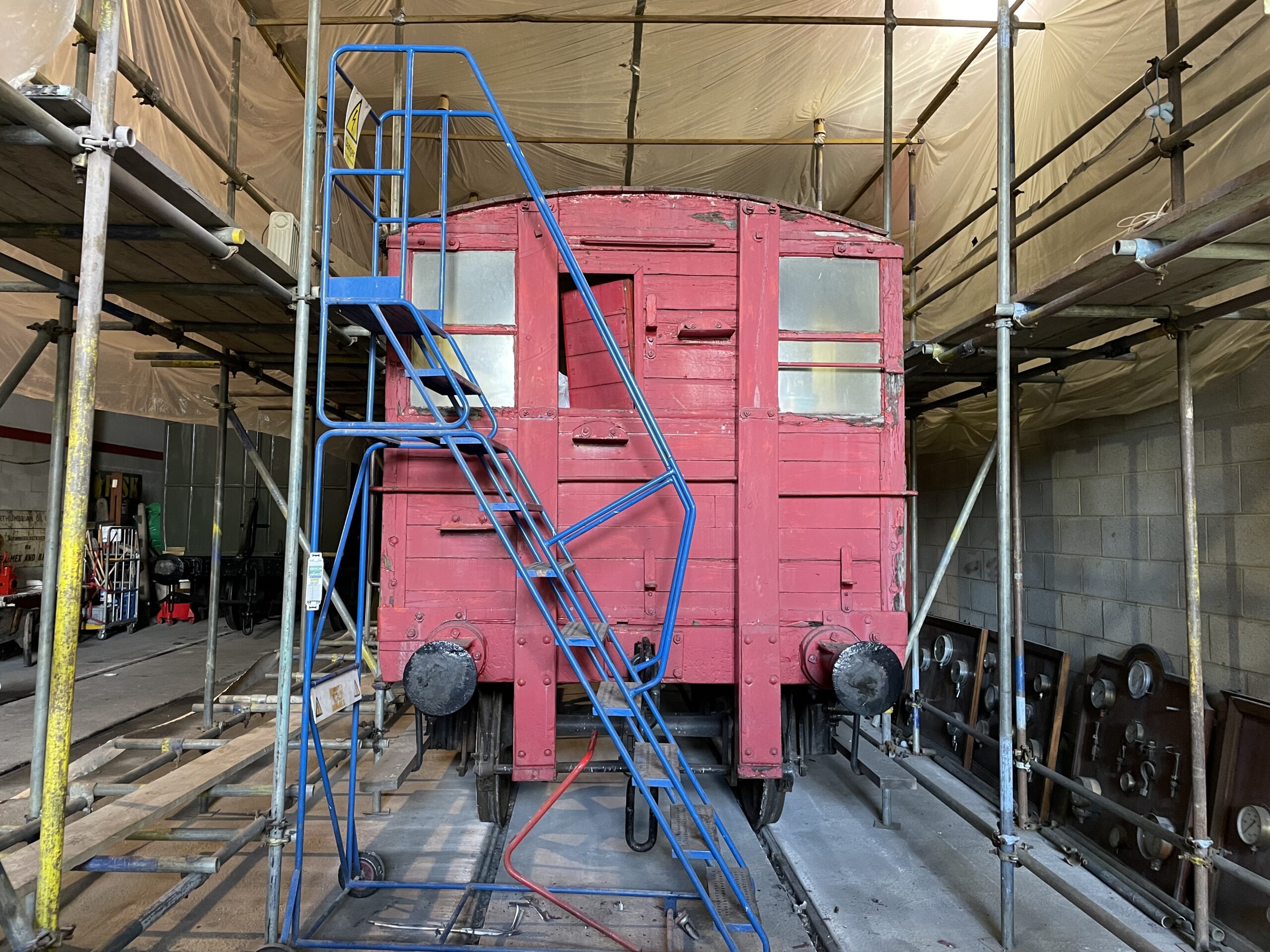
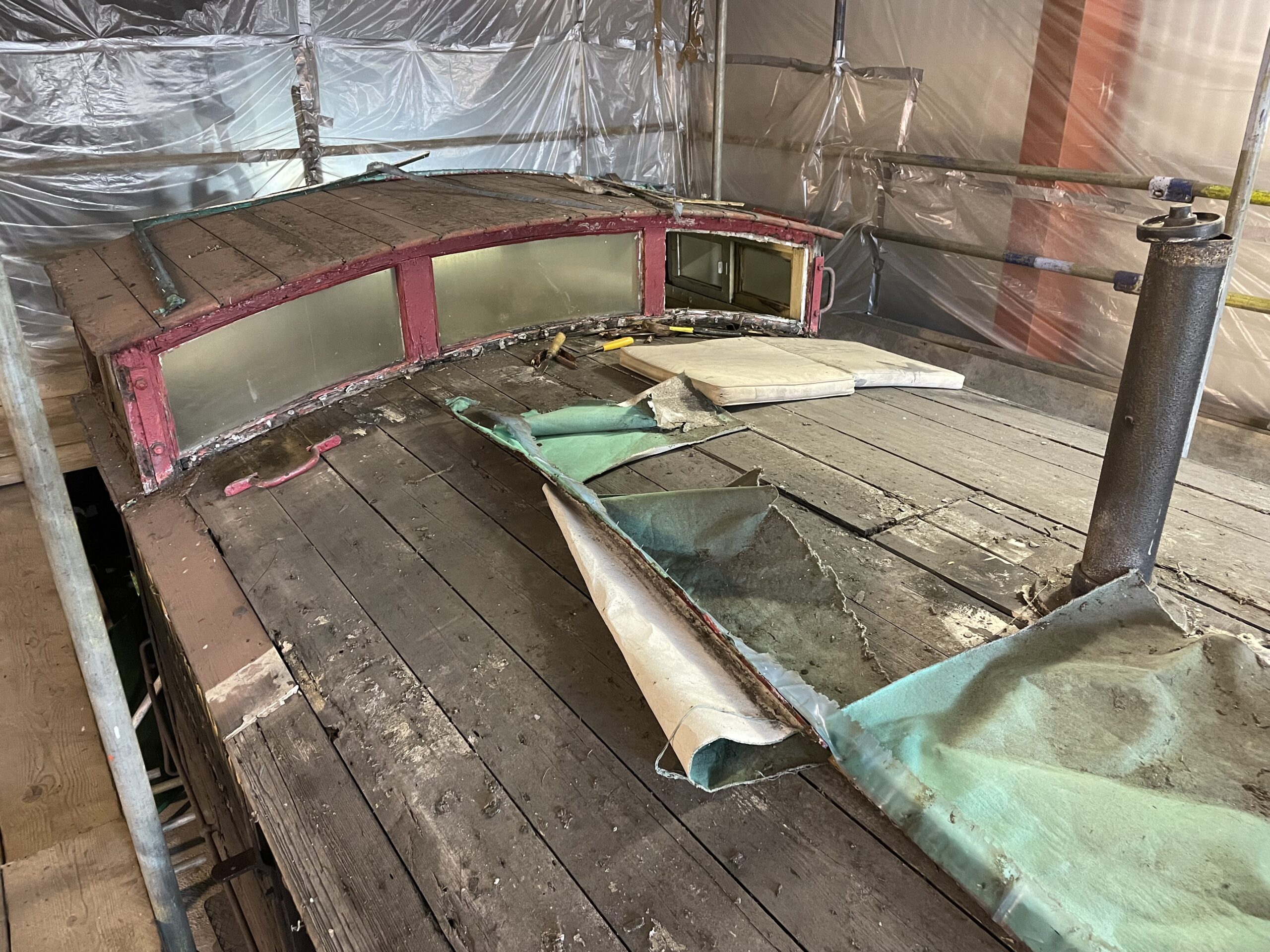
Below: The Brakevan has been parked in the scaffolding (which has been further extended since this view, to completely enclose it). This enables safe work at height, with internal work on the van largely favoured, as this can be done upwards, rather than downwards from the platform.
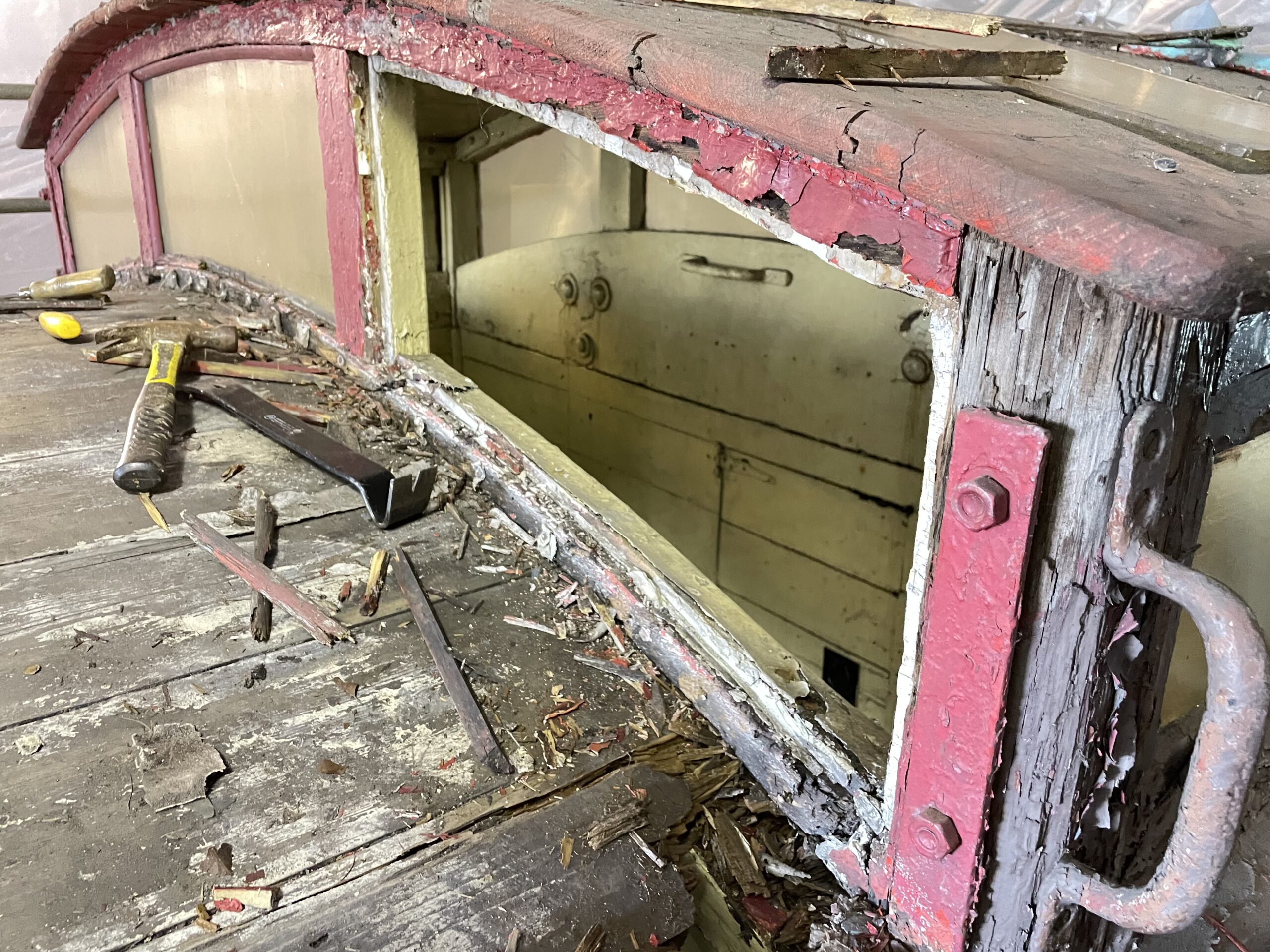
Below: These views show the front of the birdcage lookout shows the extent of the rot in areas of the van, necessitating the removal and complete reconstruction of the birdcage, which originated from V1 Brakevan No.42221.
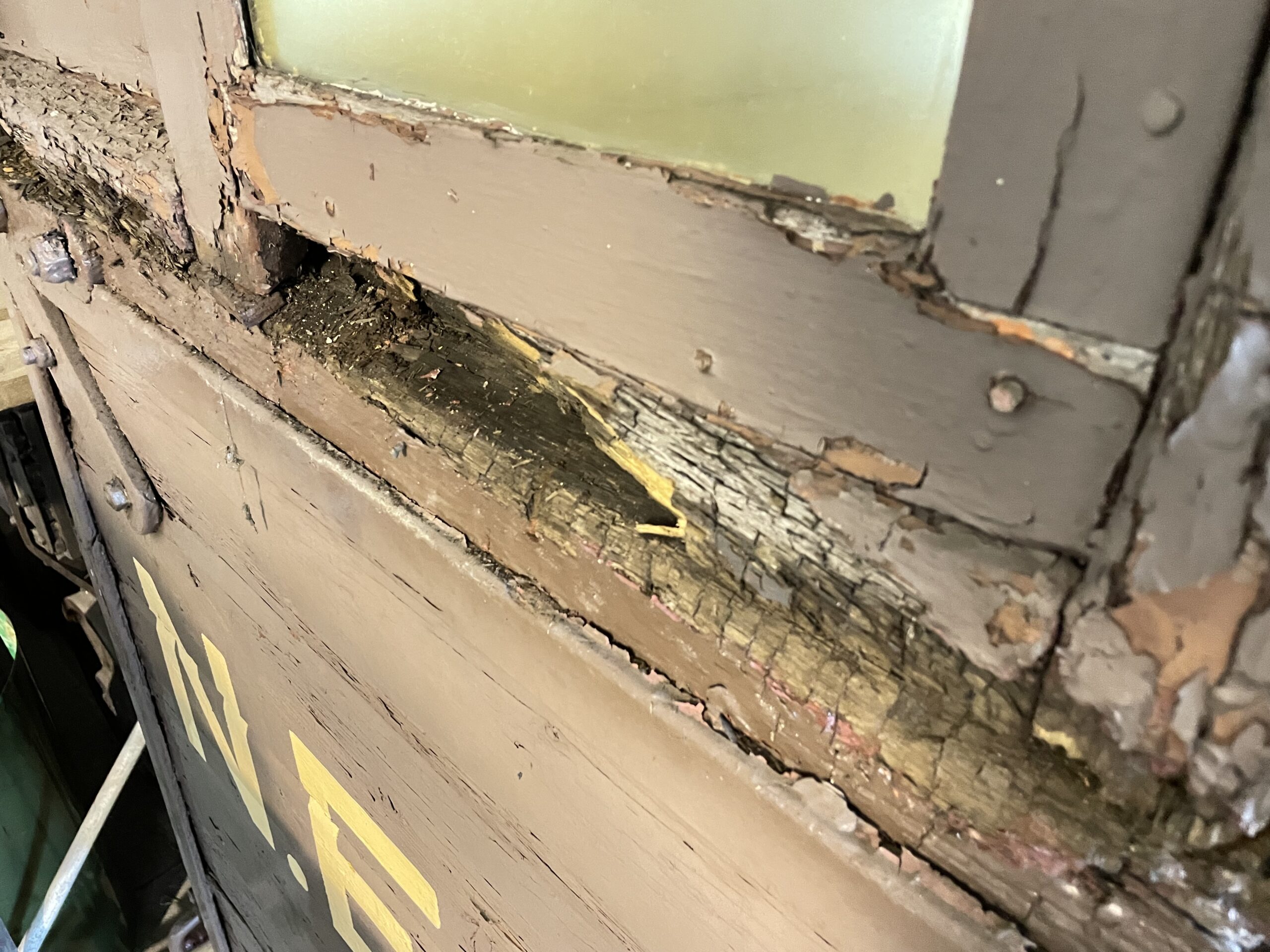
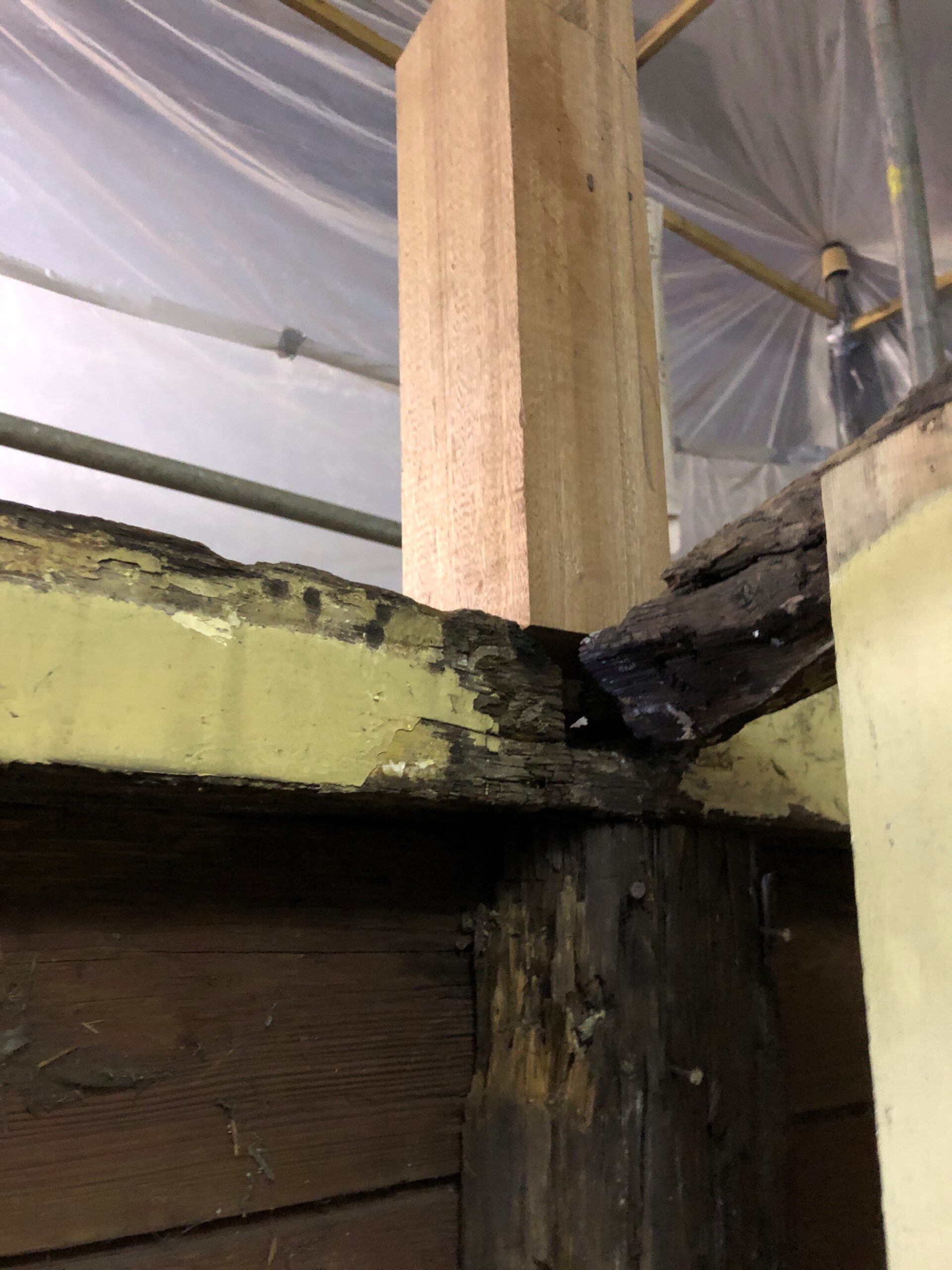
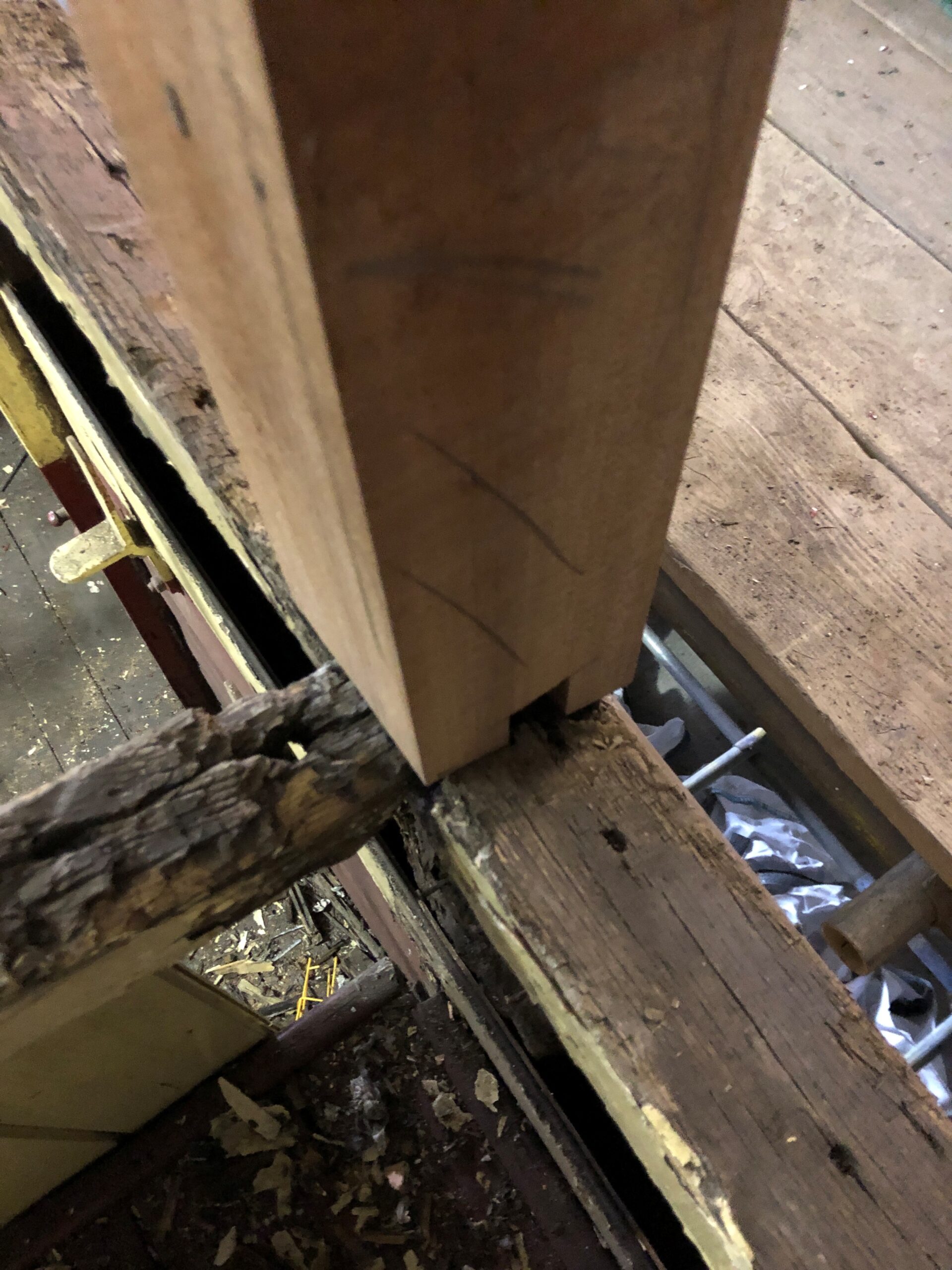
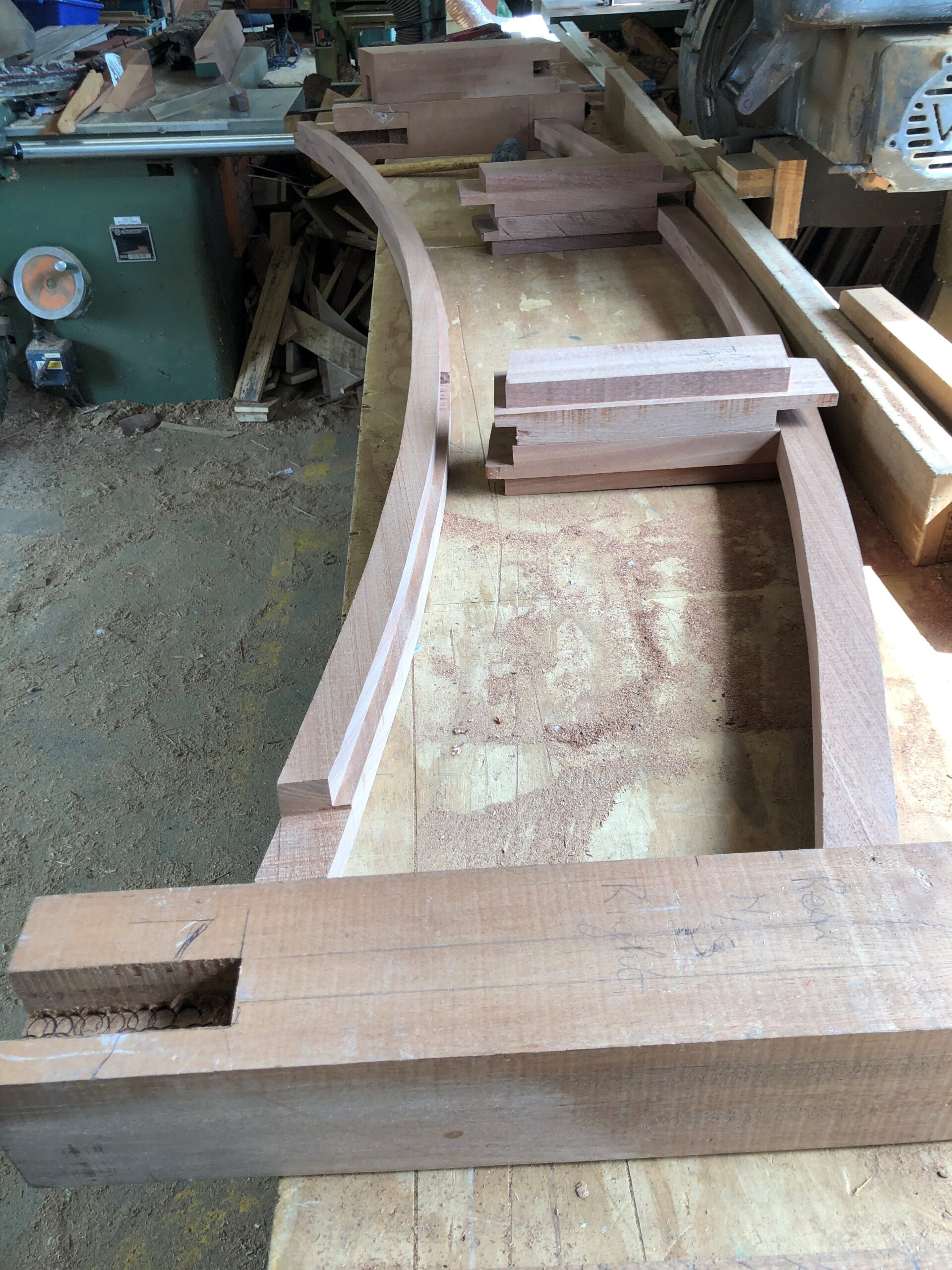
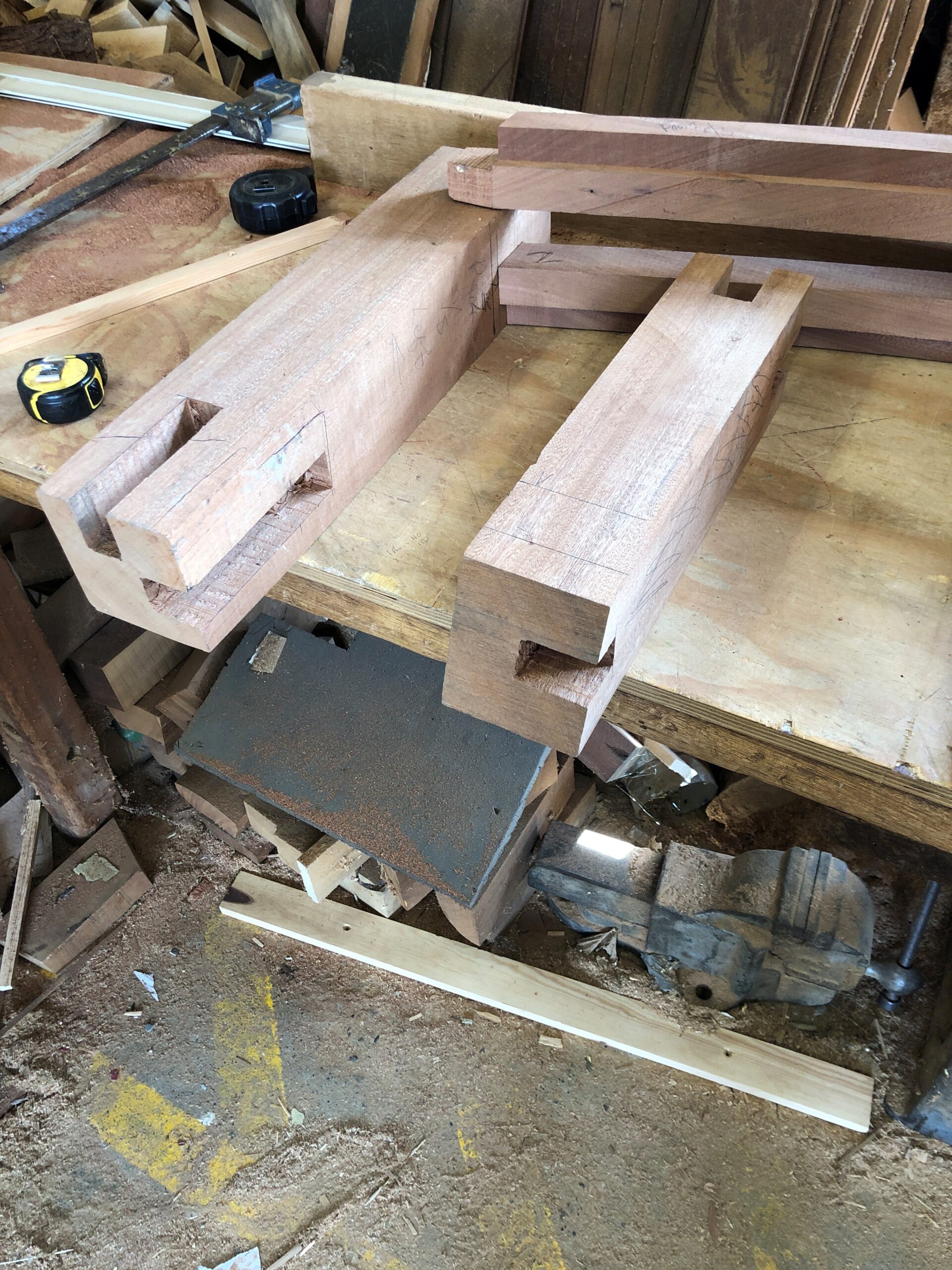
Below: The body framing has suffered quiet substantially in some areas, and will have to be strengthened though our plan is not to replace it (as it is original). A new cantrail is being made to fit the area of the birdcage (the worse area), and this will give a solid base upon which the new birdcage framework and roof can be installed, as well as a secure point on which the main roof planks can attach.
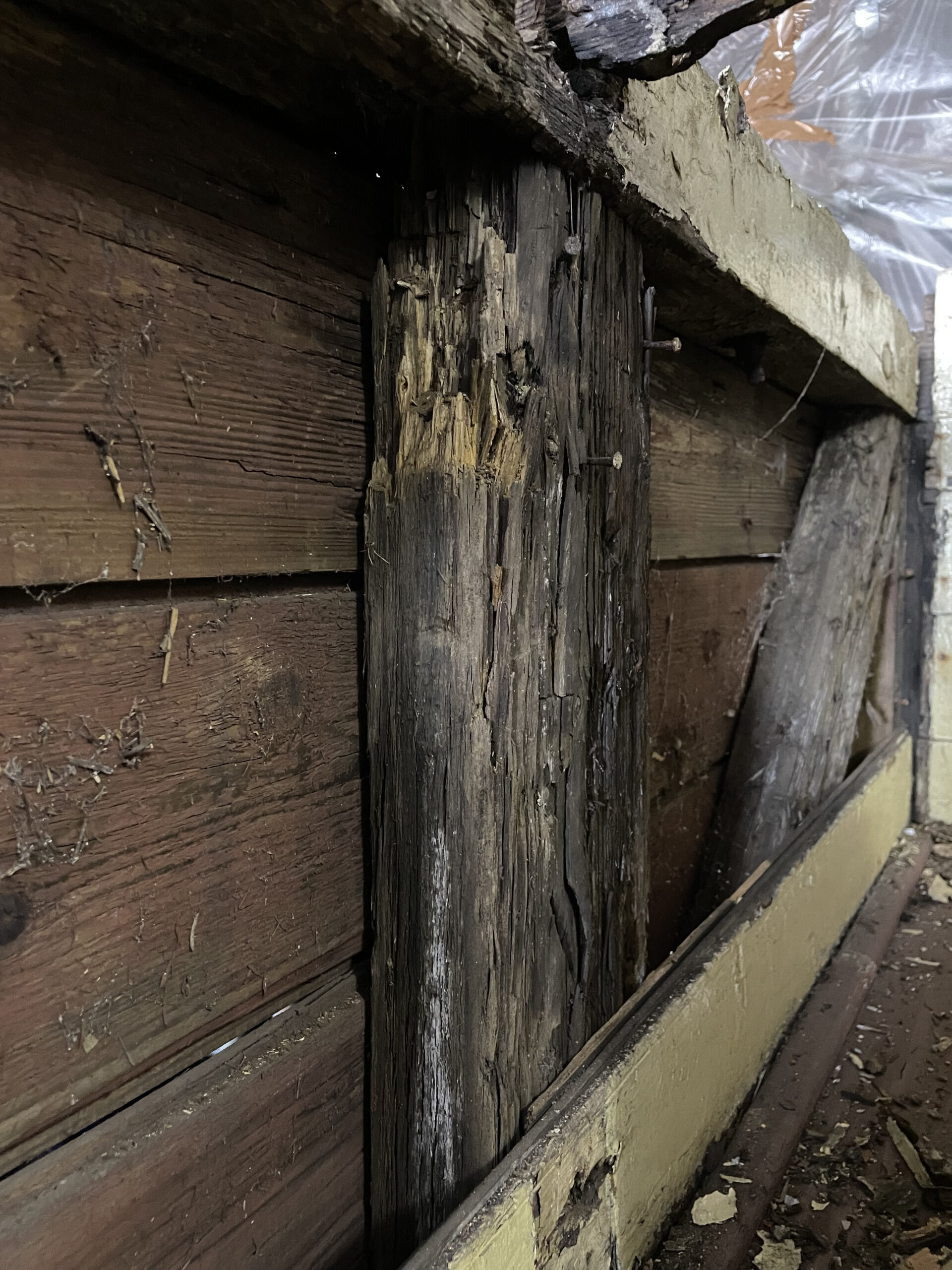
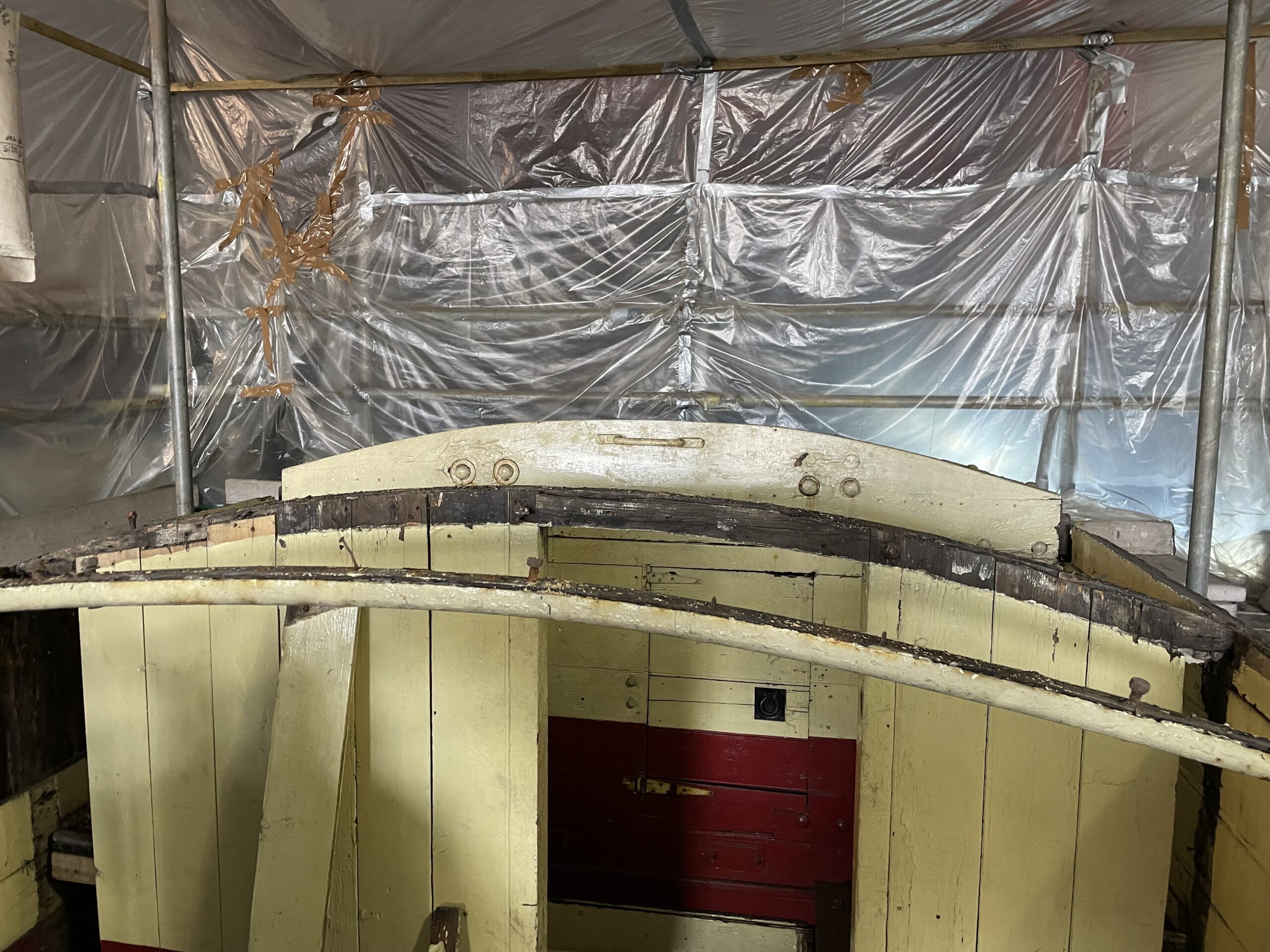
Below: The roof planks are scrap, so have been removed (along with the birdcage in this view – this is being rebuilt off-site). Reclaimed Pitch Pine floorboards from demolition sites have been obtained are being prepared in order to create a new roof – over which the new canvas (that we have in store) can be applied.
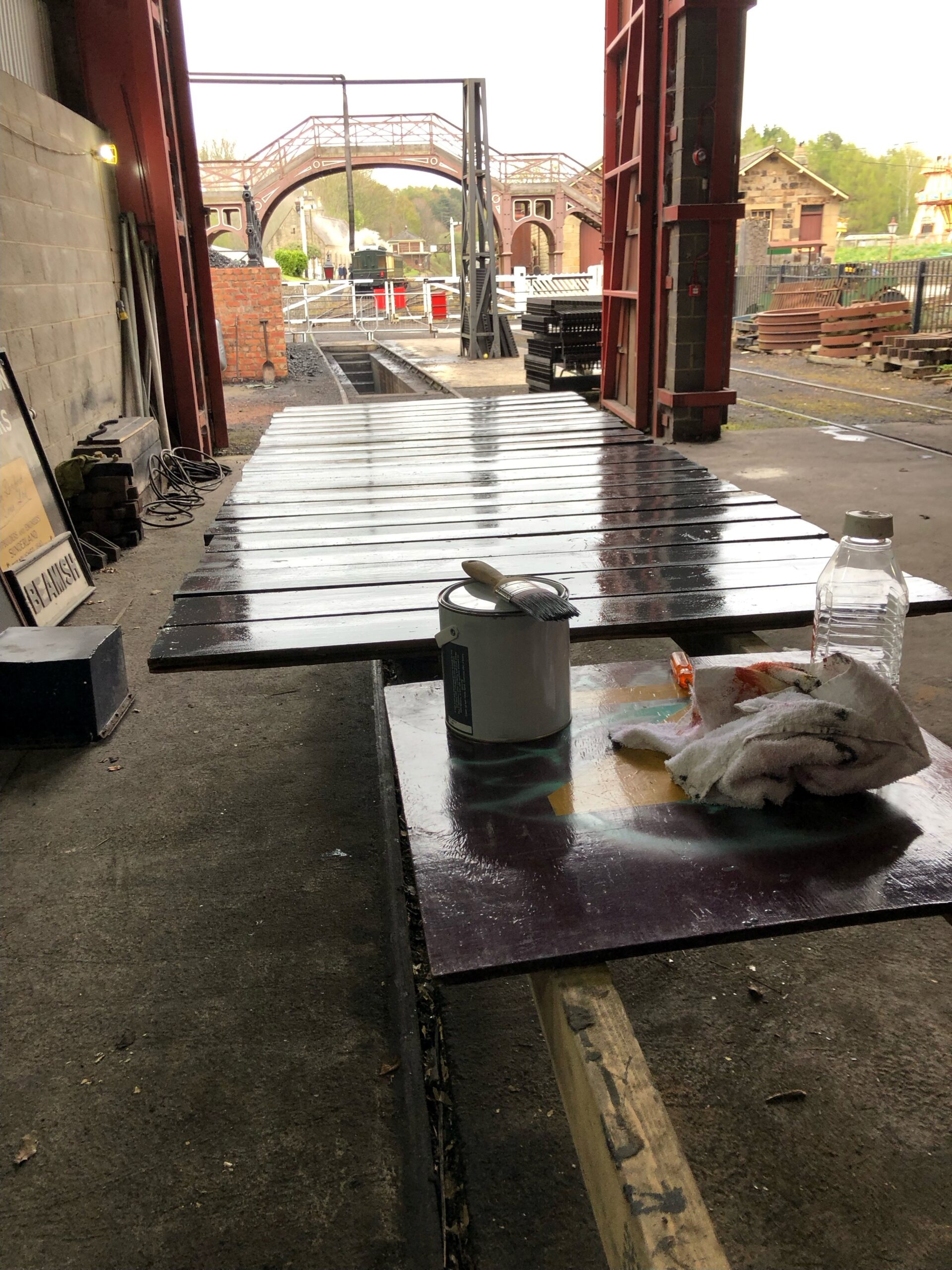
Below: The boards for the birdcage roof, being painted in readiness for eventual installation.
The new birdcage emerges
Below: By July 2026, construction of the new birdcage framework was underway. This is being carefully grafted into the existing, reusable, timber framework. Part of their cantrail (the longitudinal timber beams at the top of each side of the main body and into which the birdcage is secured) is also going to be replaced as part of this process, to stabilise both the base of the birdcage, and the tops of some of the uprights.
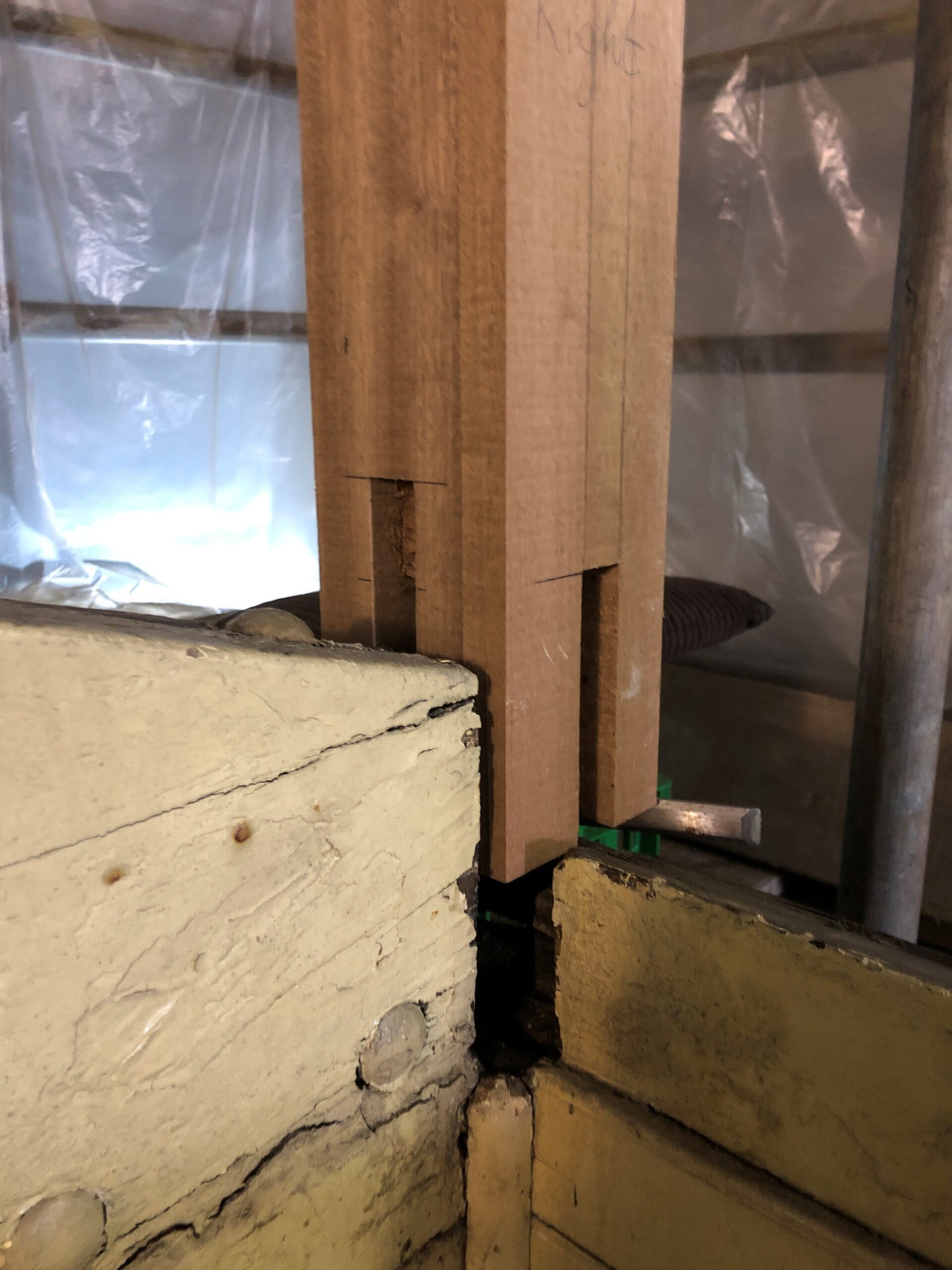
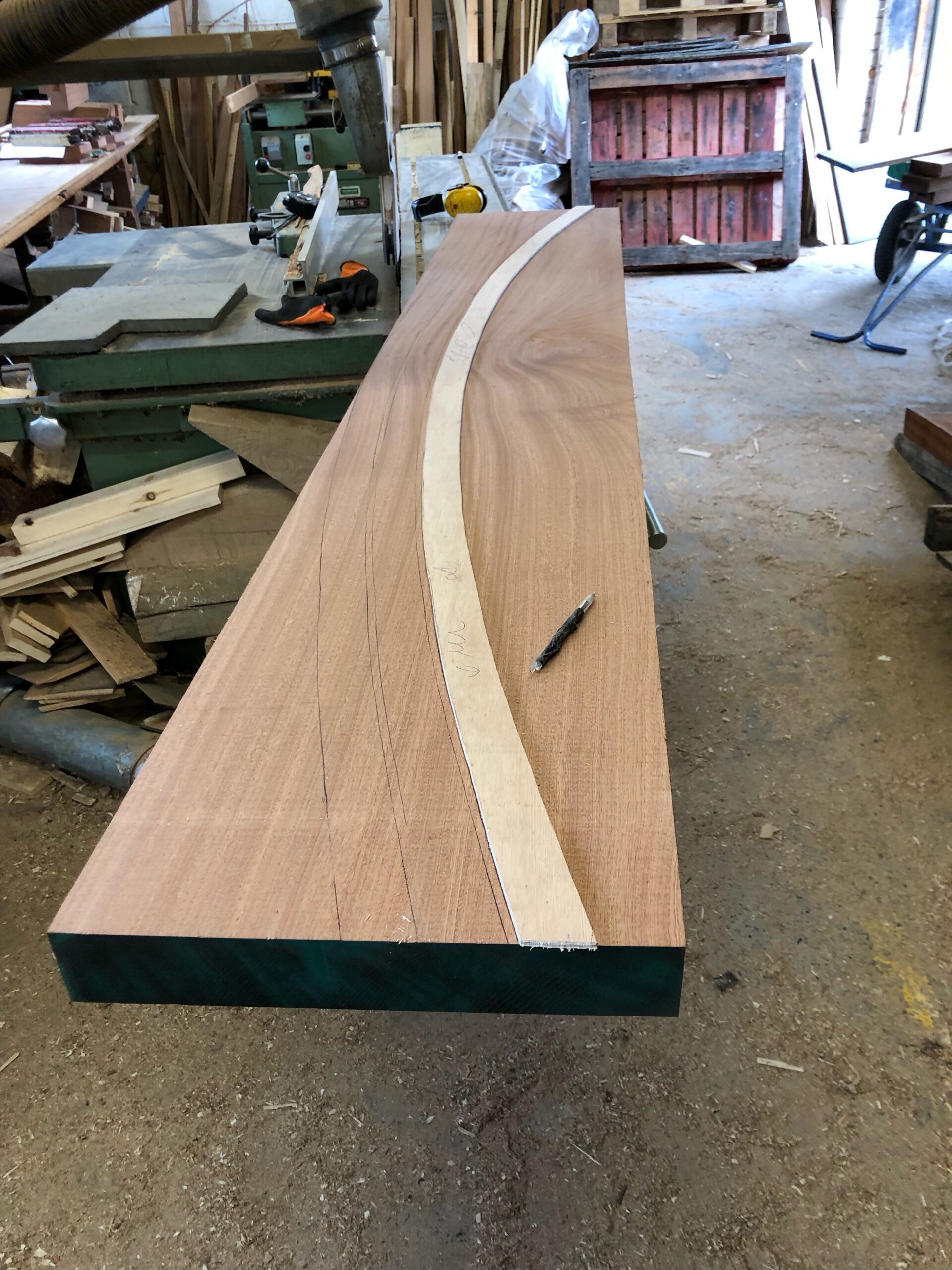
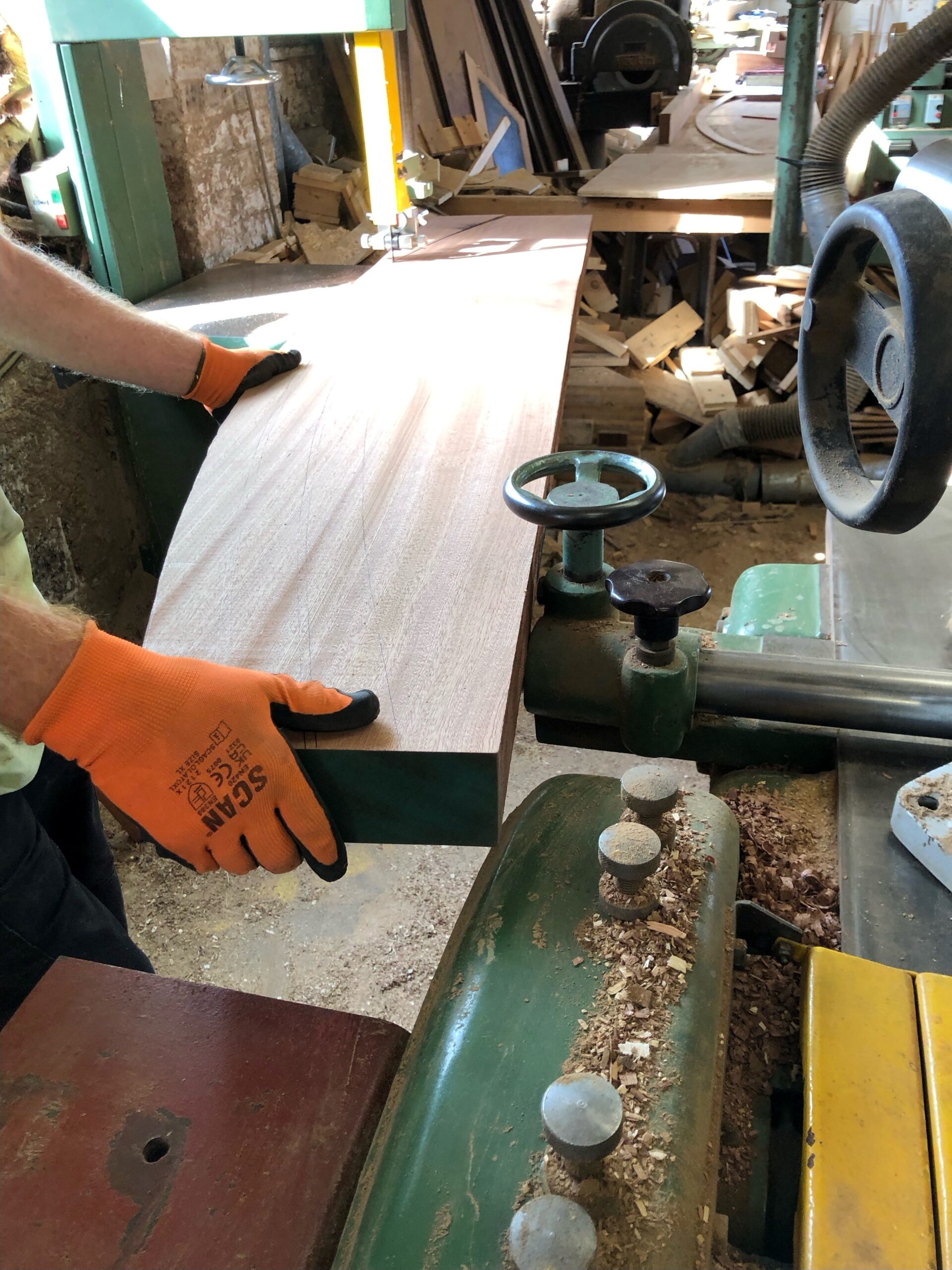
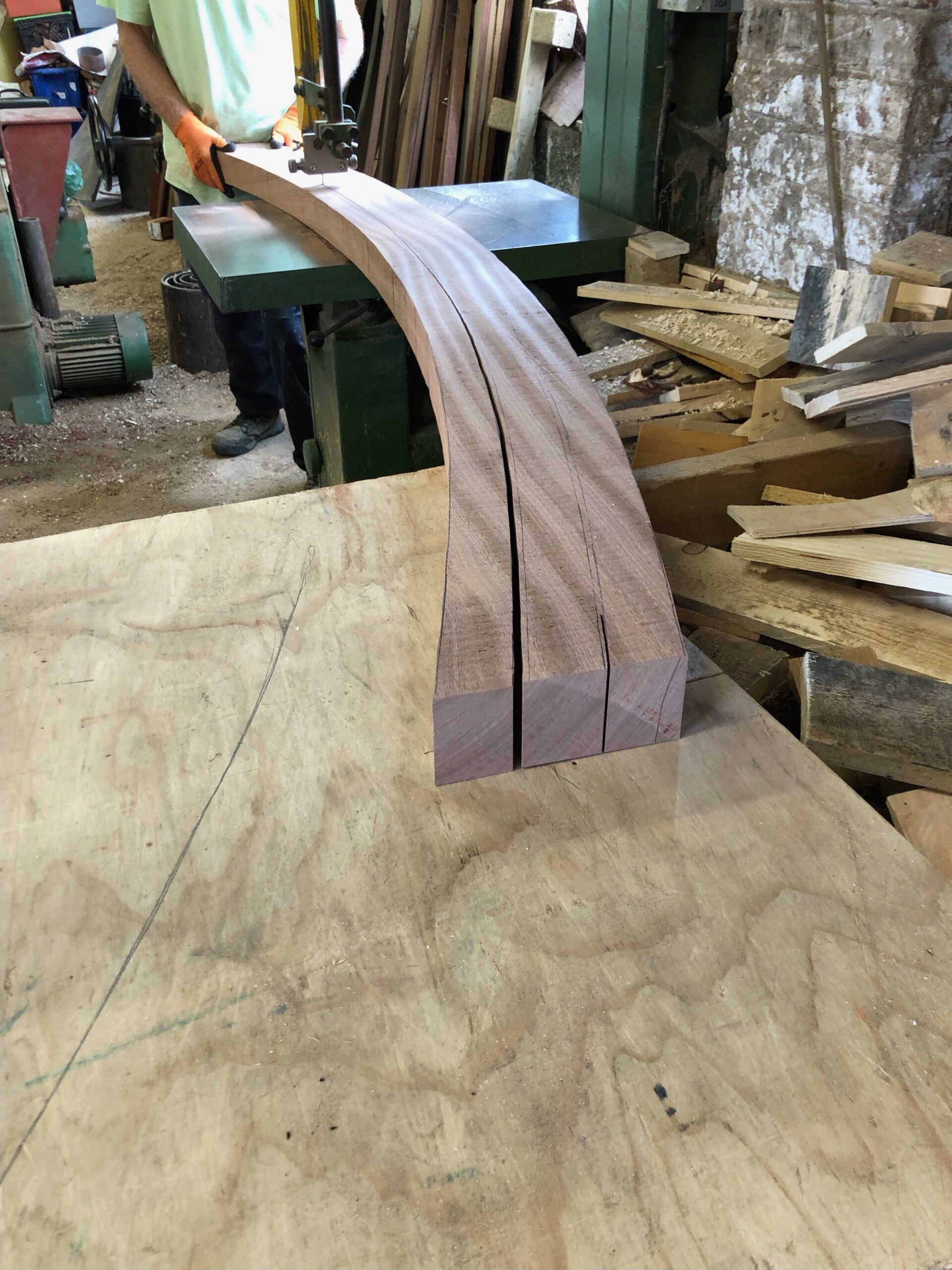
Below: New roof hoops have been cut, as far as possible trying to accommodate a natural deflection in the grain of the timber to align with that of the hoops.
Below: At the beginning of August 2026, the state of play was that the dry assembly of the new birdcage had been carried out, enabling further painting and finishing to be carried out. Once it is installed permanently, efforts to reinforce the existing framework will be undertaken before the fitting of the new roof boards, in turn allowing the new canvas (already cut to fit) to be fitted and painted. The project will then take a breather (to allow a new financial year to come around) before work on the body sides, interior and steps is carried out. The final work will be the full repaint of brakevan and application of the letters and numerals.
Photographs by Paul Jarman, John Marshshall and from the Beamish Museum Archive
Hi Paul
Fantastic post as always
take it a demonstration freight train is in the making for 2029? hopefully with the j21
many thanks
cheers
rob
Who knows Rob! We are talking to our colleagues in the sector around the possibilities of collaborating on a goods train so this might just bear fruit…
Hi Paul
Great write up, and great to see the progress to date. Would you be willing to send me a copy of the drawings for the replacement Birdcage? I need to have one made for the Bouch Brake, and would be good to see how this one goes together.
All the best,
Alex
It is great to see the birdcage brake is getting a makeover. Can I flag however the write up mentions using 1911 livery with vermillion ends. The NER brake van book by Ian Sadler states in the livery chapter that vermillion ends were thought to have been dropped in 1903. Based on this, I doubt very much the 1911 livery would include vermillion ends.