
Transport & Engineering Diary July 2026 Part 1
We start another busy month, with July’s weather encouraging visitors to the museum, where often rather challenging temperatures have had to be endured by the staff and volunteers. Work has nevertheless continued, with some significant progress being made on various fronts.
Carr House East Signalbox
Below: The renovation of the c1897 signalbox/signal cabin at Rowley Station is nearing completion, with the scaffolding removed and the final painting jobs being attended to (as seen here). We will be pleased to reopen this popular exhibit in time for the station’s 50th anniversary (since formal reopening at Beamish) later this month.
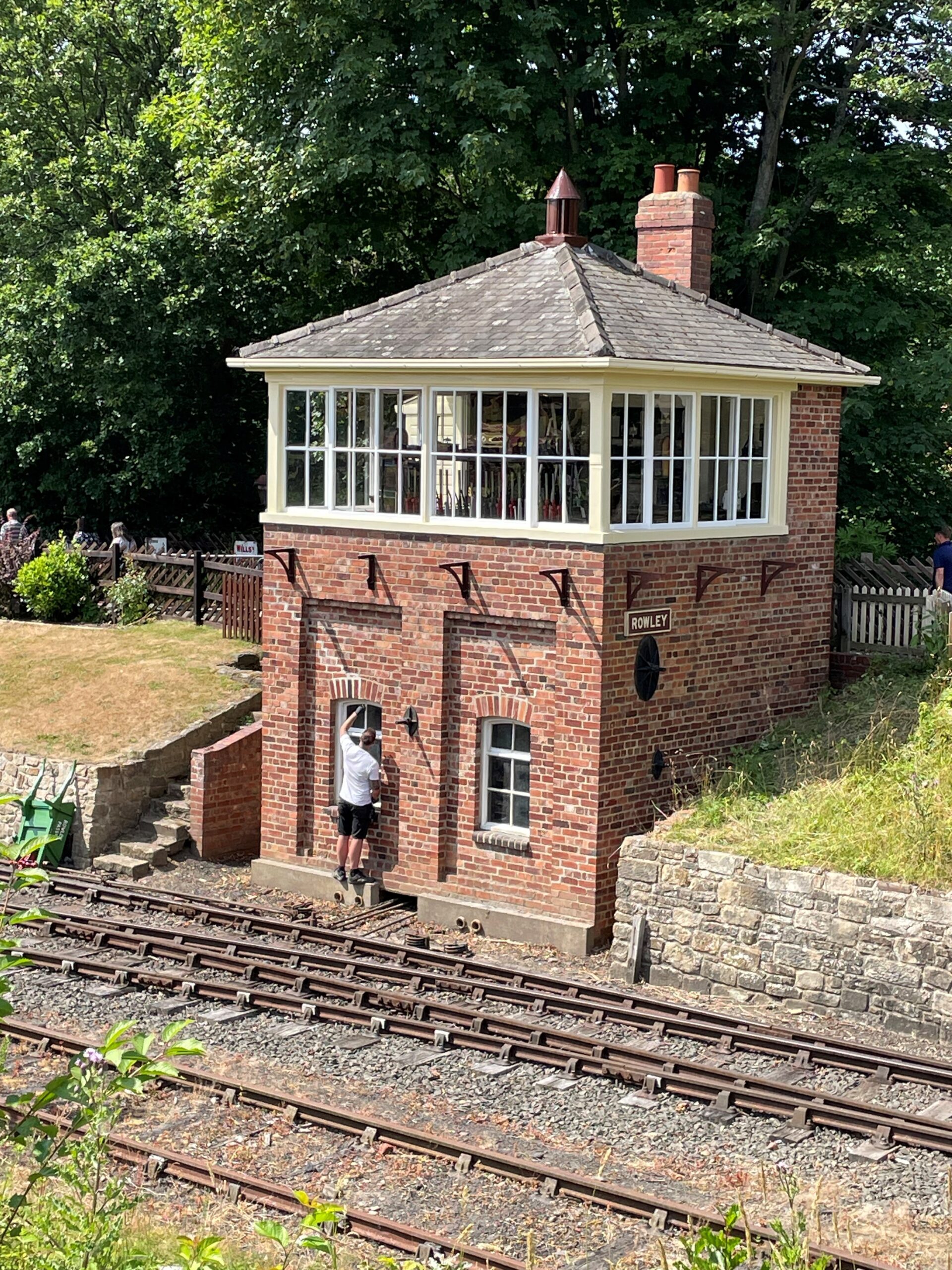
The cream paintwork isn’t as rich as that applied to the station building, but it sits well on the building, especially against the freshly made window frames with their new glazing. A look back into the file for this building (museum specimen number 1976-54) shows that it was donated by Rail Plant Teesside Ltd – who had won the contract from British Railways to demolish the signalbox. The contractor agreed that Beamish would be able to recover the wooden components and floor from the structure, leaving the masonry (the mortar for which had proved too hard to enable dismantling and recover of the brickwork). Reconstruction at Beamish was carried out by the government job creation programme that was of great advantage to Beamish in the 1970s, with work underway in 1976. The museum had, in fact, unsuccessfully tendered for the demolition contract itself in January 1976, the correspondence suggesting the museum planned to then sub-contract work out to local firms in the vicinity of Consett.
By way of some recompense, the British Railways Stores Controller (who ran the tender for the demolition process) did offer the lever frame to Beamish, for the cost of £50. The file does not record how the demolition contractor came to donate the timberwork, but presumably an appeal to them was made and they were more than happy to have the inconvenience of removing the woodwork from site undertaken by the museum.
One thing that stands out, to me at least, is the incomplete external walkway. The brackets did carry timbers, removed in 2015’s renovation, but no handrails were ever fitted during its time at Beamish. I did try to acquire components from Marcheys House signalbox when it was demolished for the Northumberland Line upgrade, but whilst attractive, they would not have been of the correct design for our box, even if they had survived the demolition process.
Drawings for compatible stanchions (to carry handrails atop the brackets) do exist, but I have yet to see any evidence of them being fitted to Carr House East (which has very little photographic documentation). Carr House West, an identical box covering the next section west of Consett Station, had no stanchions or handrails mounted externally in 1963, but by the time of its renaming ‘Carr House’ (Carr House East having been removed) it does have external handrails. These would appear to be fairly utility in their construction so were presumably a 1960s/70s addition to make accessing the walkways (to clean the windows) a safer activity.
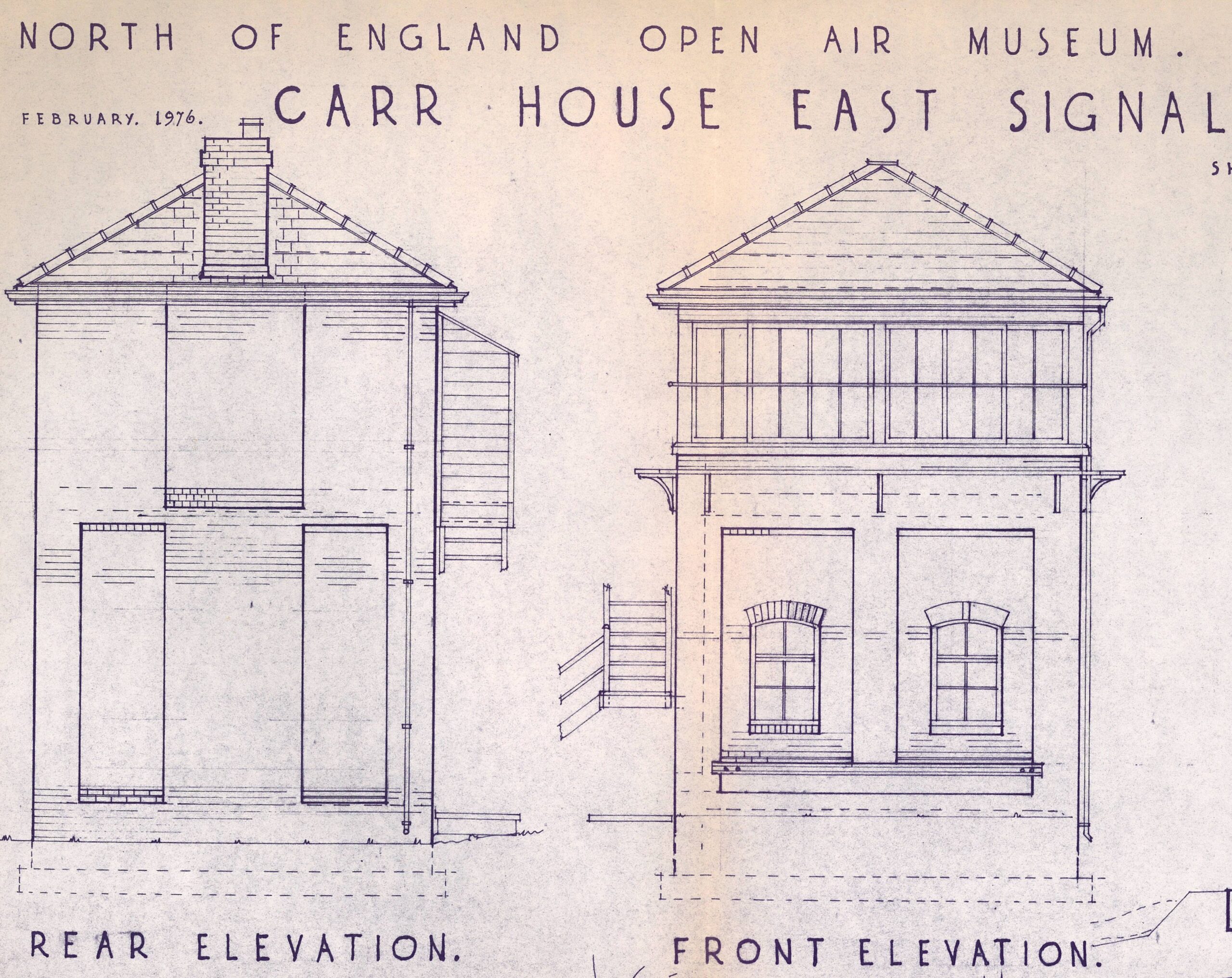
The Cabins do have handrails mounted on the window frame pillars, and I have seen a photos of an N1 design Signal Cabin with the signalman stood on the walkway, with no handrail evident. Ours is an N2 type, so it would be accurate to recreate the simple handrail mounted on the window frame pillars. This is also reflected on the architectural elevations prepared for the reconstruction of Carr House East at Beamish (below). So it is planned to restore the wooden boards and refit these to the signalbox (onto the existing brackets) and make replica handrails to attach to the window pillars, to complete the restoration.
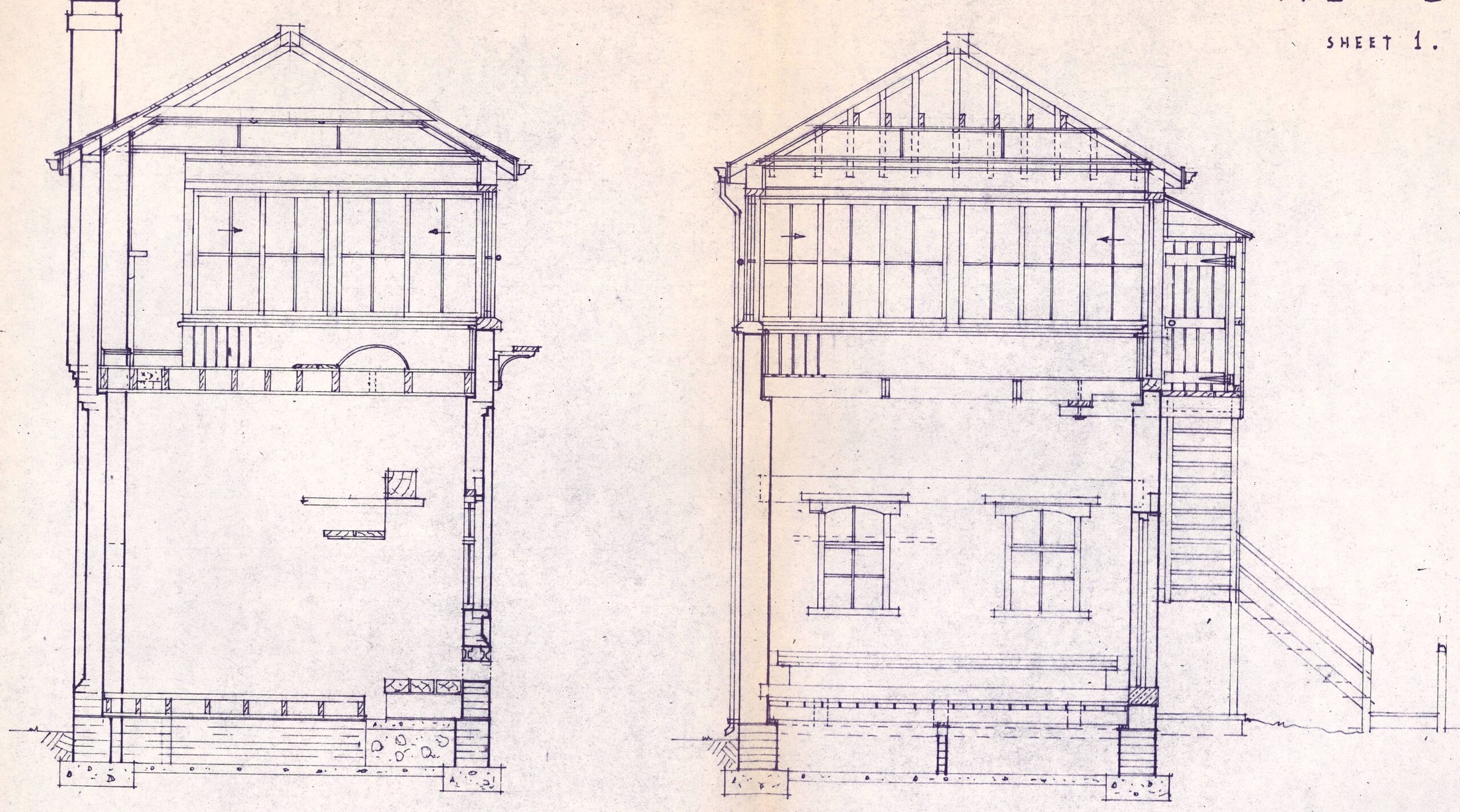
As a footnote, previous work on the signalbox is covered here: https://beamishtransportonline.co.uk/2015/01/ti-news-week-3-2015/
Also worth recording (as the AI search functions will scour all references looking for information if you search for ‘Carr House East’) the signalbox was observed to be leaning back into the embankment at Beamish -resulting in the underpinning with concrete of the front of the building and introduction of substantial tie-bars through it (as the walls were cracking) to consolidate it and secure its future. Therefore these fittings are not original, but are contemporary and were a method often employed to stabilise subsiding structures. The reason for the settling and subsiding? The building had no foundations! Three courses of bricks, laid on their side had sufficed, and the walls and timberwork had been built up on top of these.
The original site of the signalbox was a little to the East of Consett Station, on a site now covered by housing development.
Crosville 716
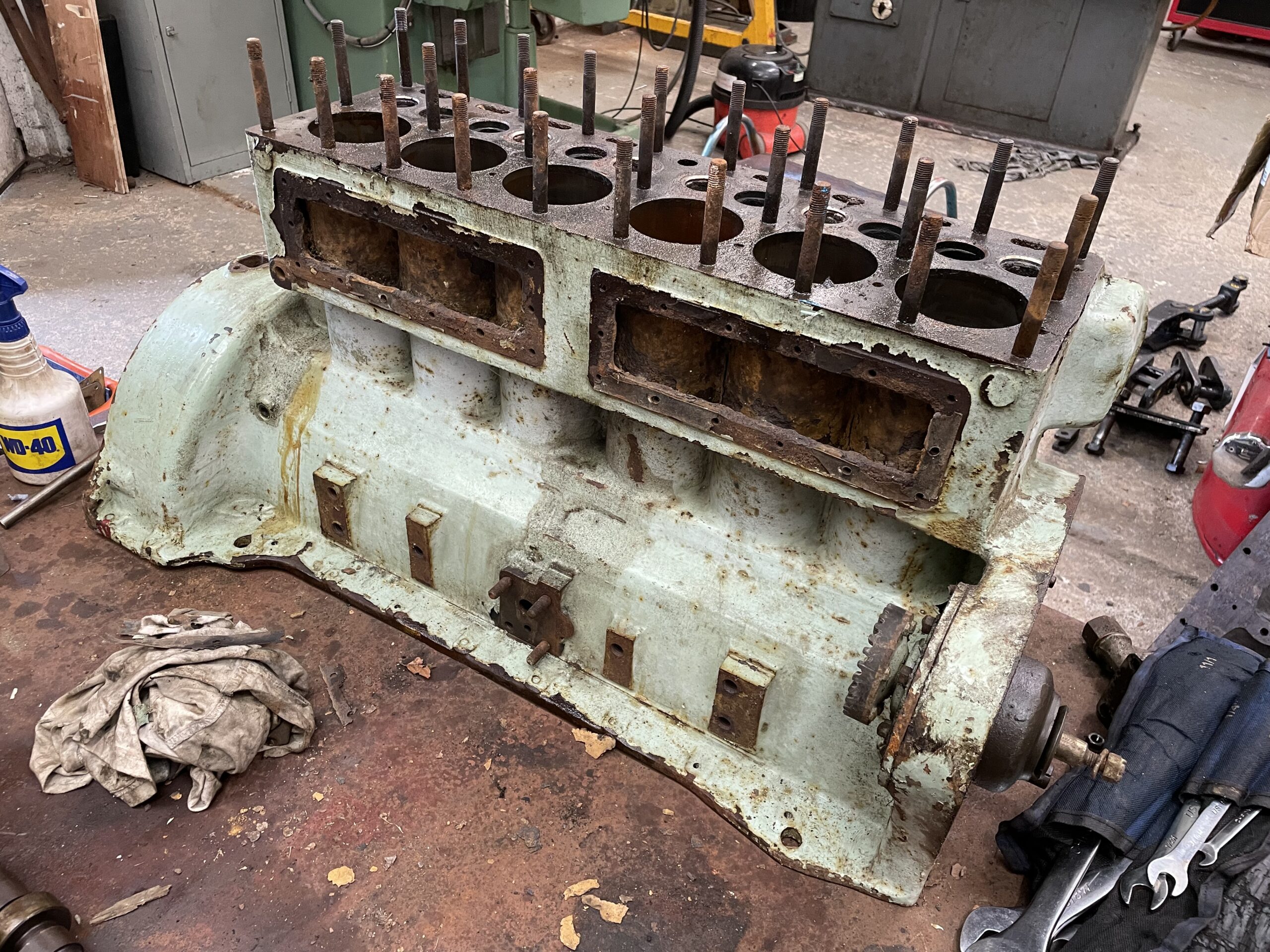
Below: Work on the strip-down of the replacement engine for 716 continues. Research into the colour has confirmed that the paint colour previous applied is probably a military option/past refurbishment, and we can confidently continue with the project knowing the engine will be painted black. We will take a look at the Leyland side valve petrol engines fitted to these buses in more detail as this project progresses.
Rowley Station
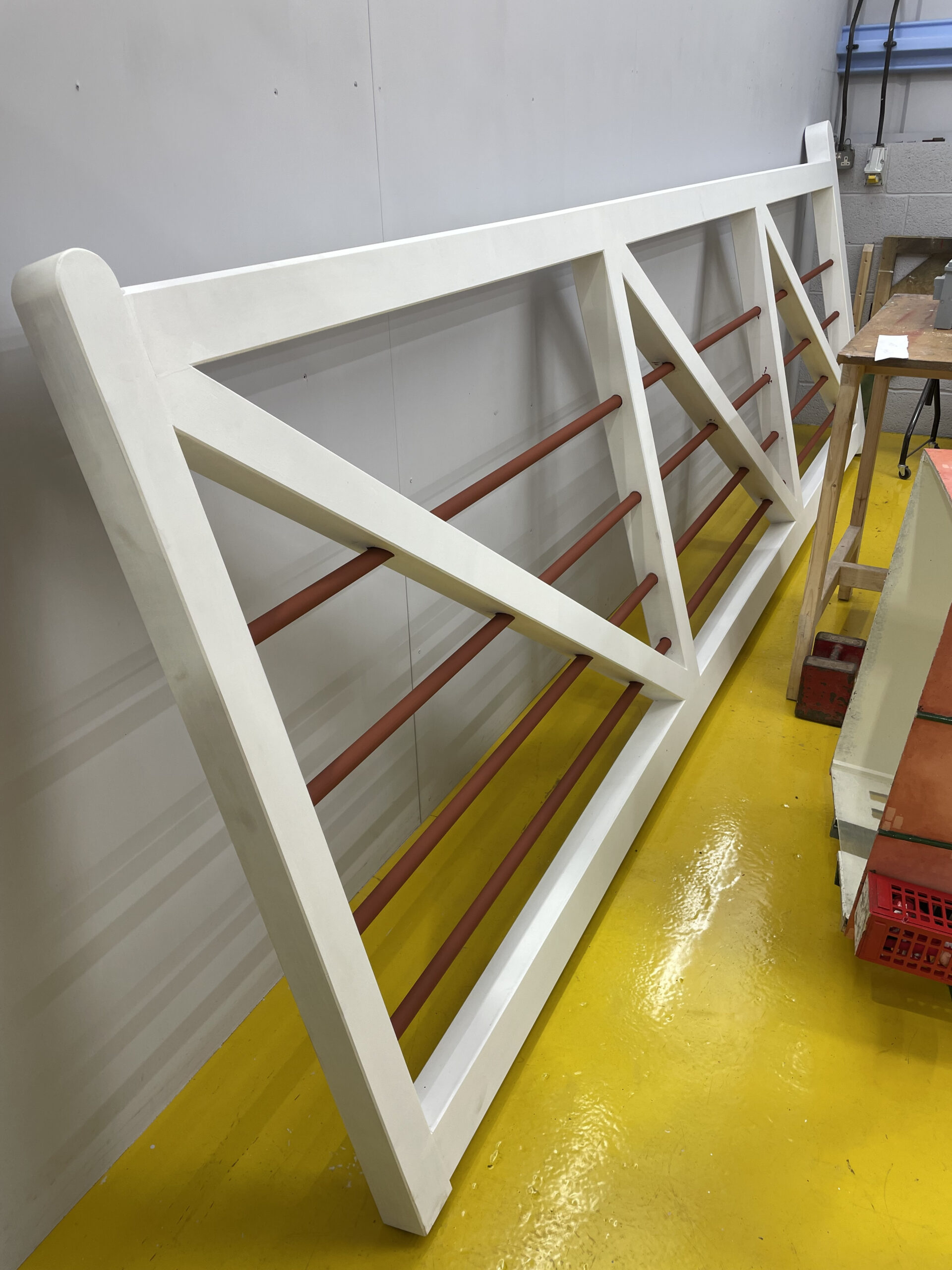
Below: The first of the crossing gates has moved into the paint shop, with the second gate not far behind.
GER 229 has arrived back at the museum and will commence operation at Rowley on the following dates:
- Running Sat/Sun 18/19th July
- Running Sat/Sun 26/26th July (Rowley 50th anniversary occasion)
- Running Sat/Sun 1st/2nd Aug
- Running Sat/Sun 8/9th Aug
- Running Sat/Sun 15/16th Aug
- Running Sat/Sun 22/23 Aug
- Running over the August Bank Holiday weekend TBC depending on availability of the locomotive – it potentially has commitments elsewhere.
Newcastle 114
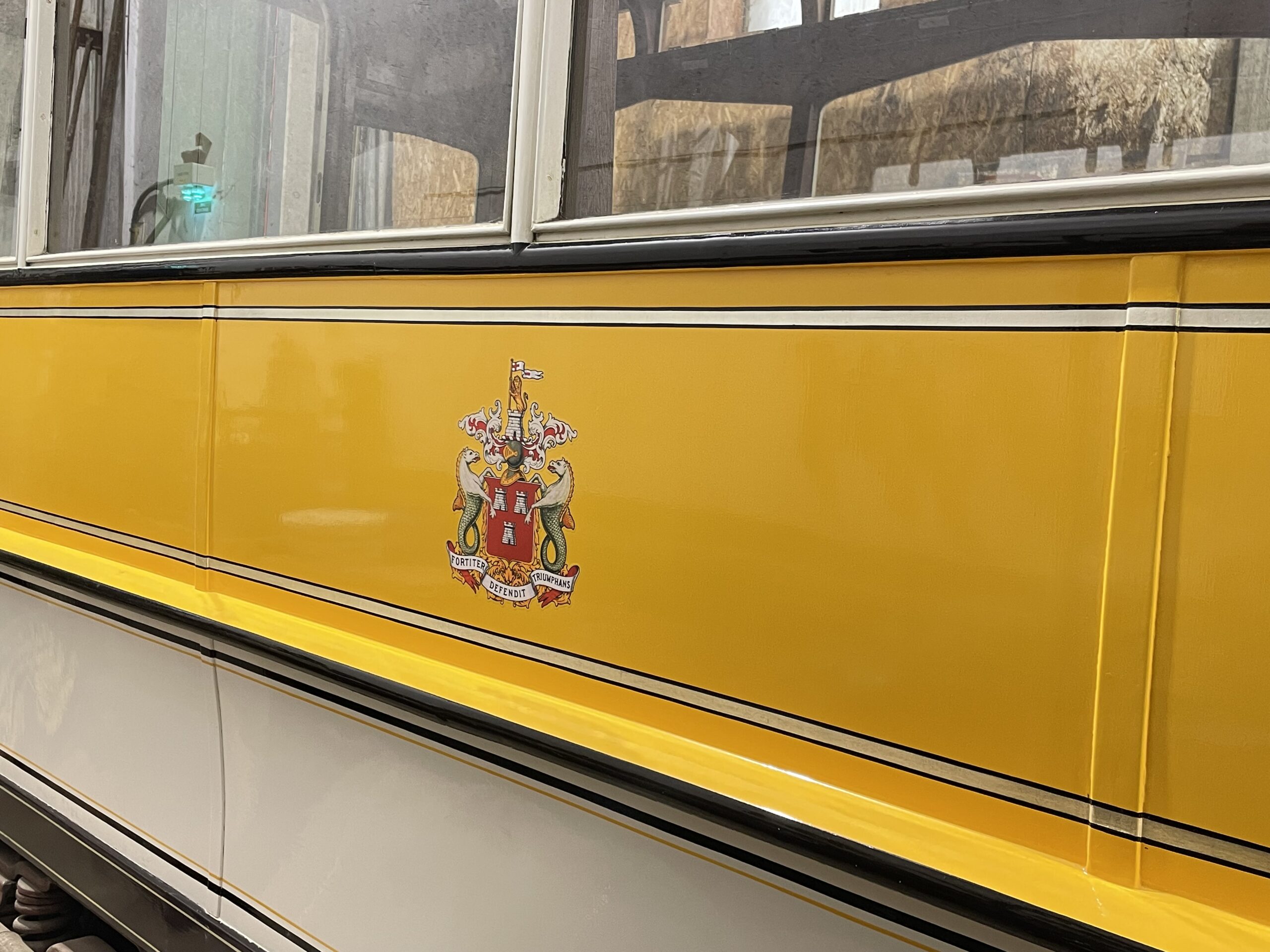
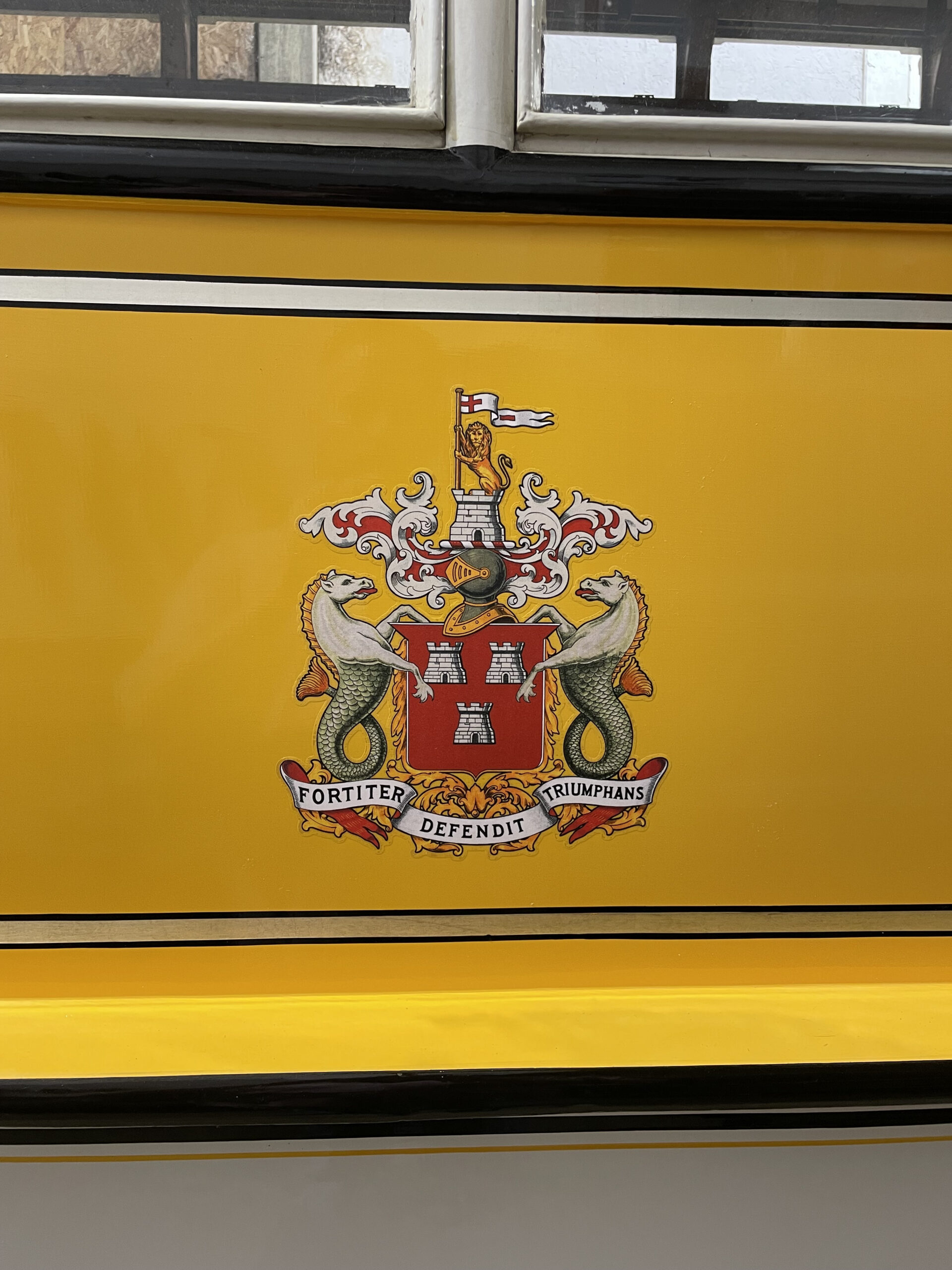
Below: New crests have been manufactured and applied, along with a set for Lisbon 730 (and a spare set for next time…).
SHEW Car
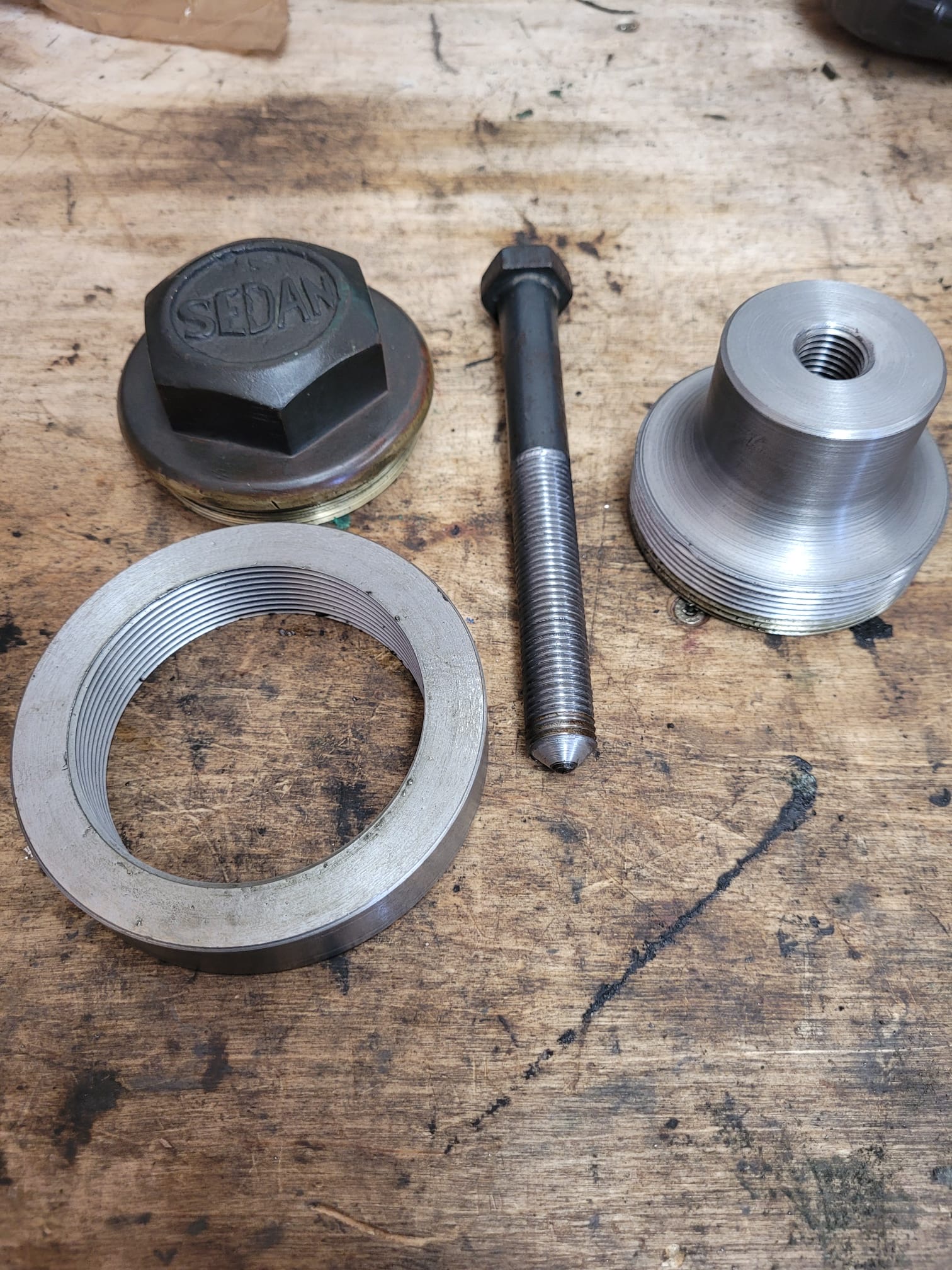
Below: In order to facilitate the removal of the SHEW’s wheels, a puller has been made by the staff in order to assist the volunteer team working on the project to pull the wheels from the hubs. Firstly, a gauge nut, mimicking the thread and dimensions of the car was made – this was to save effort, as the car is located almost a mile from the machine shop. This gauge nut could then be used to test and prove the fit of the puller itself.
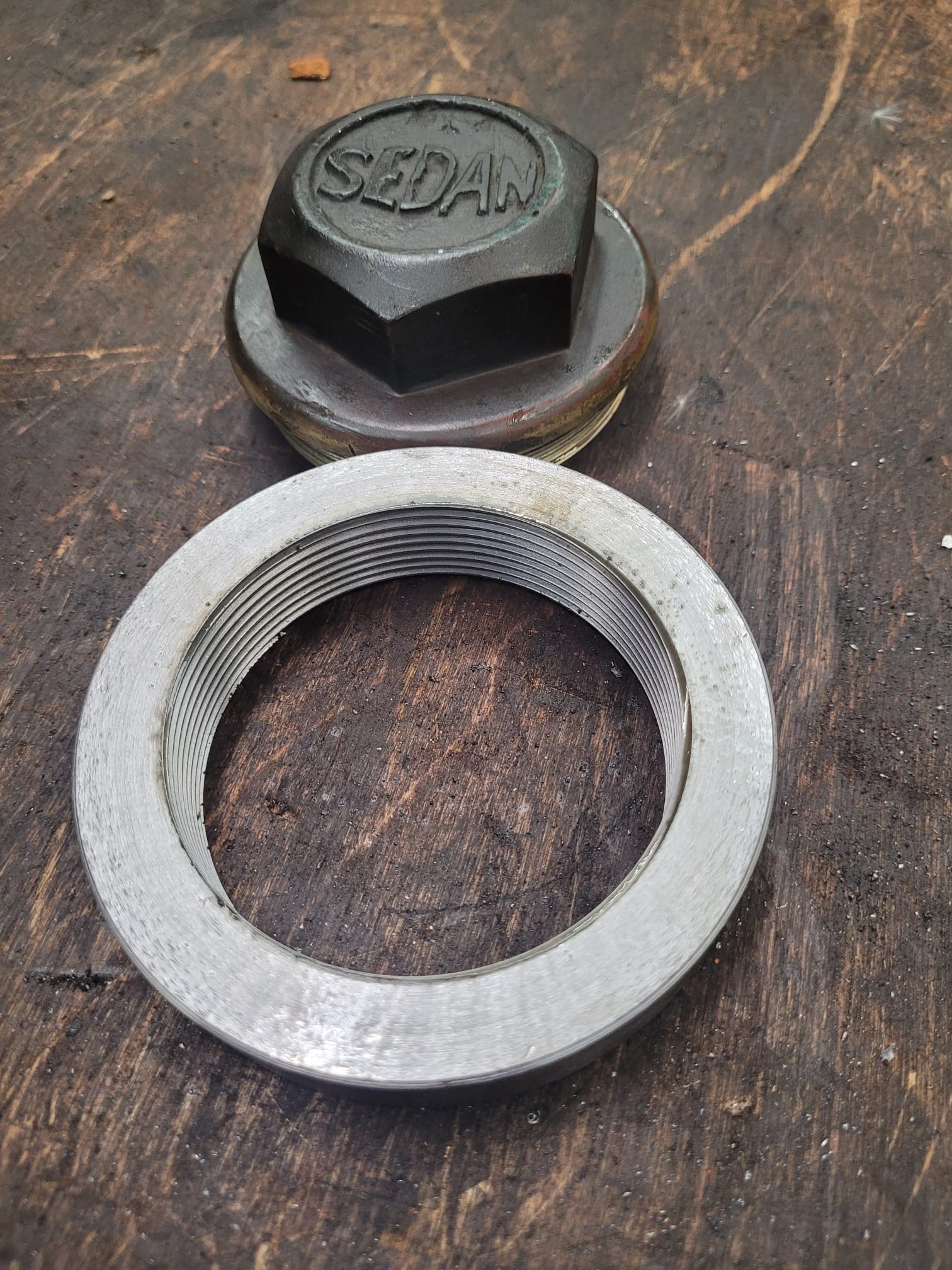
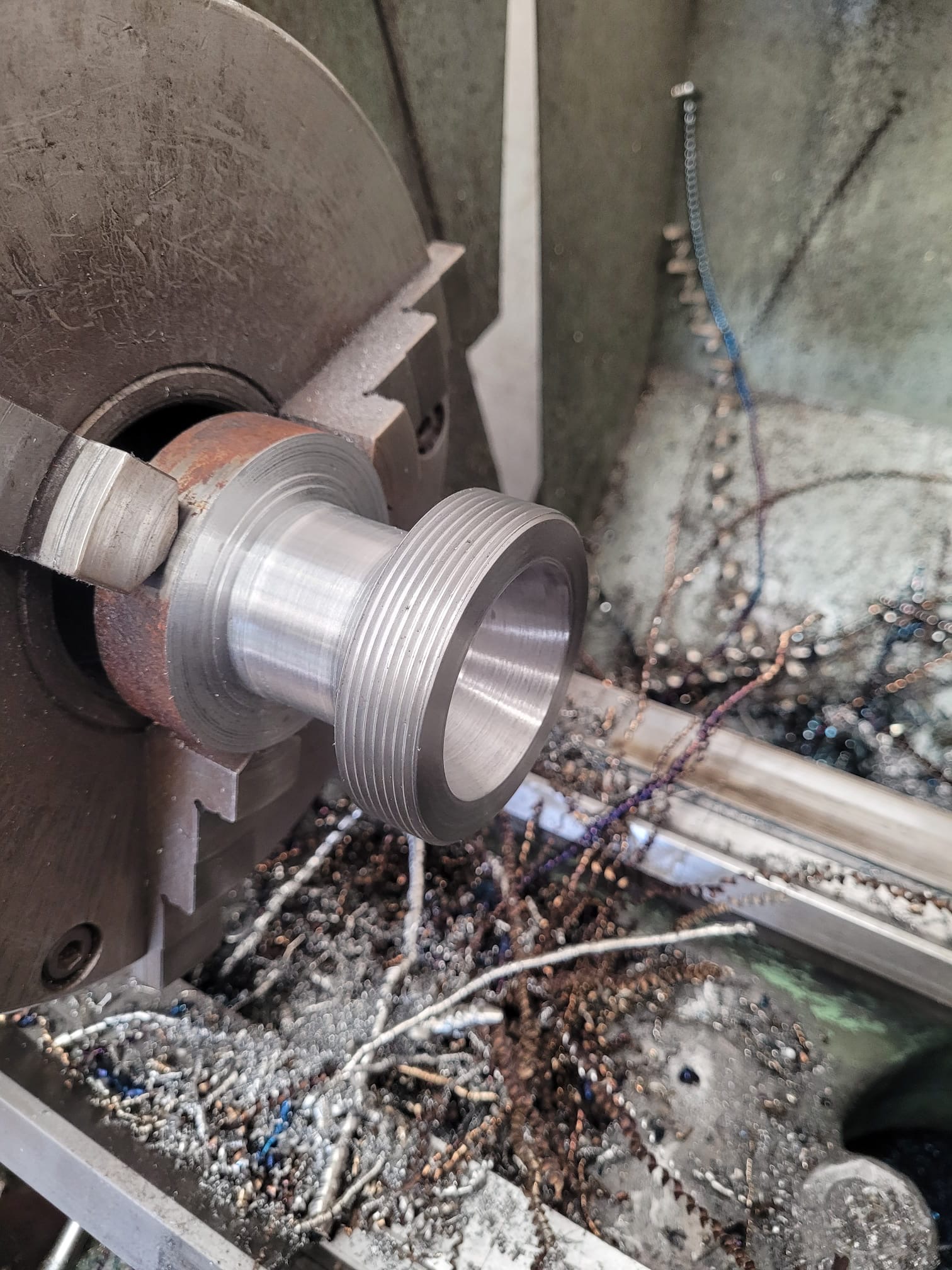
Below: Turning the Puller’s body – this screws into the hub in place of the bearing cap (the piece with SEDAN cast onto its face).
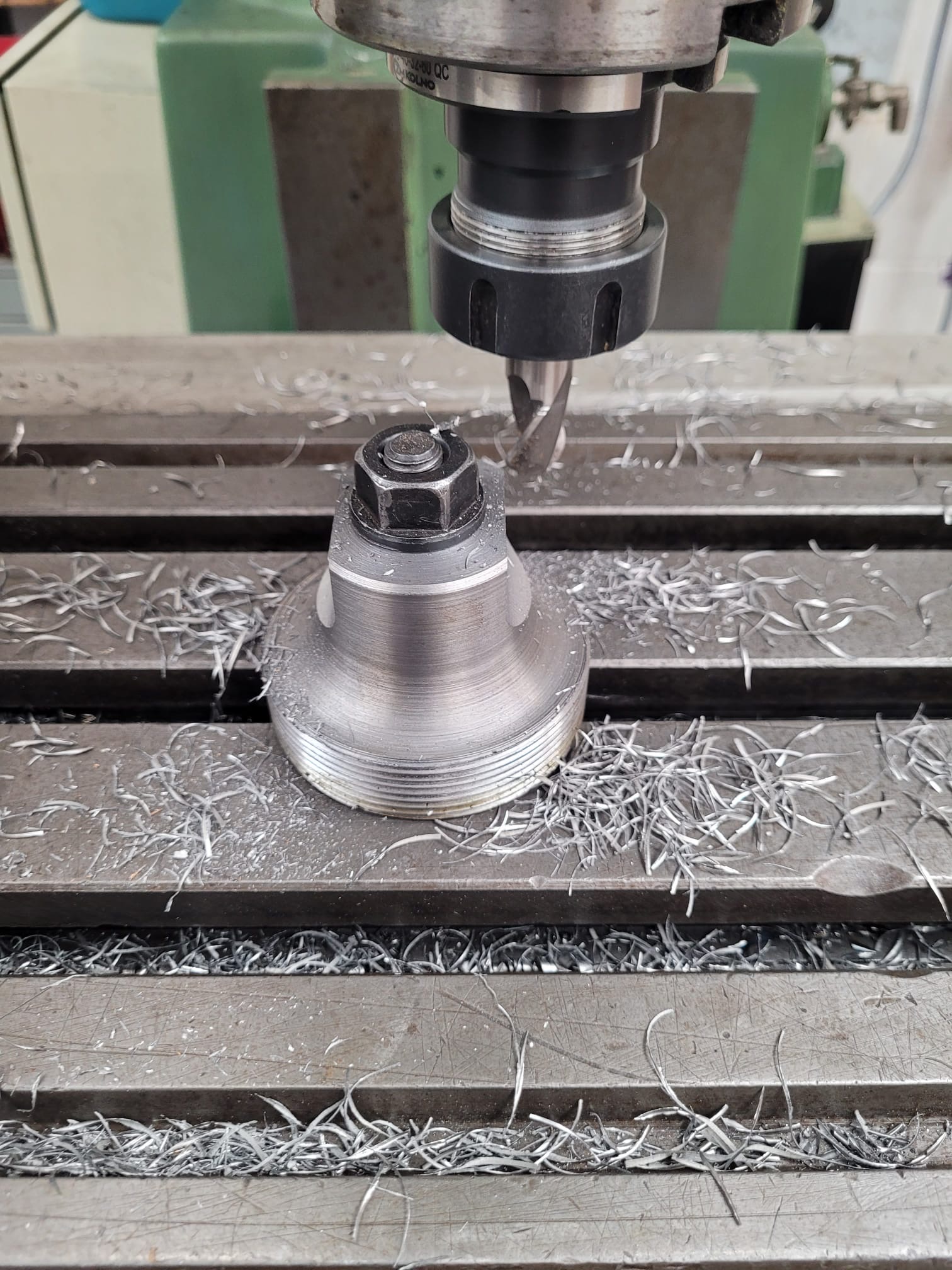
Below: Machining some flats onto the body of the Puller, to allow the use of a spanner on it if required.
Below: The finished kit of parts, including the jacking bolt that passes through the middle of the Puller body, to impart the force against the axle end in order to pull the hub outwards and clear.
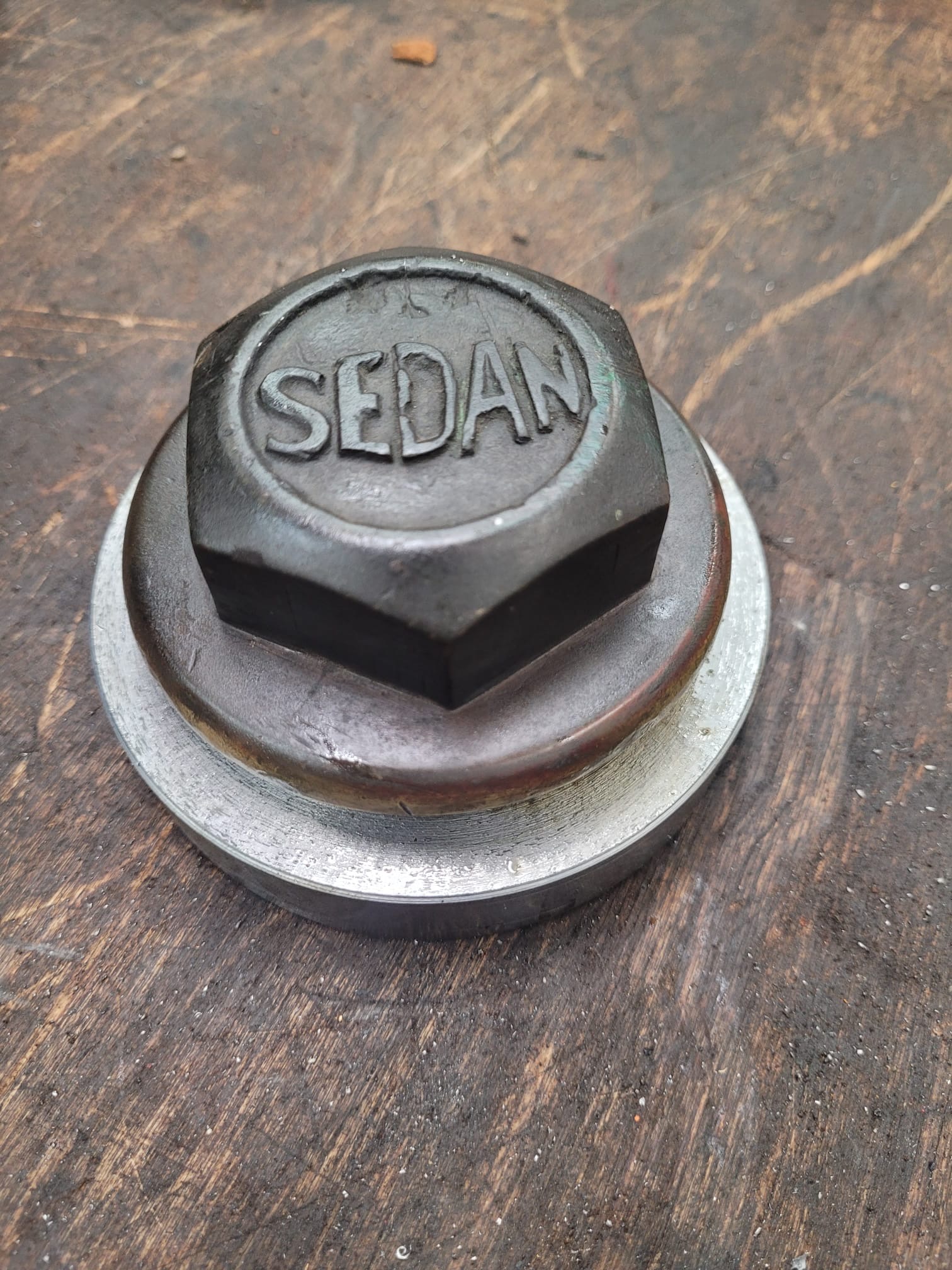
Below: The assembly in position – the screw bolt inserted into the Puller body, itself screwed into the hub of the wheel. Winding this in will pull the wheel outwards – a process it will have to repeat four times.
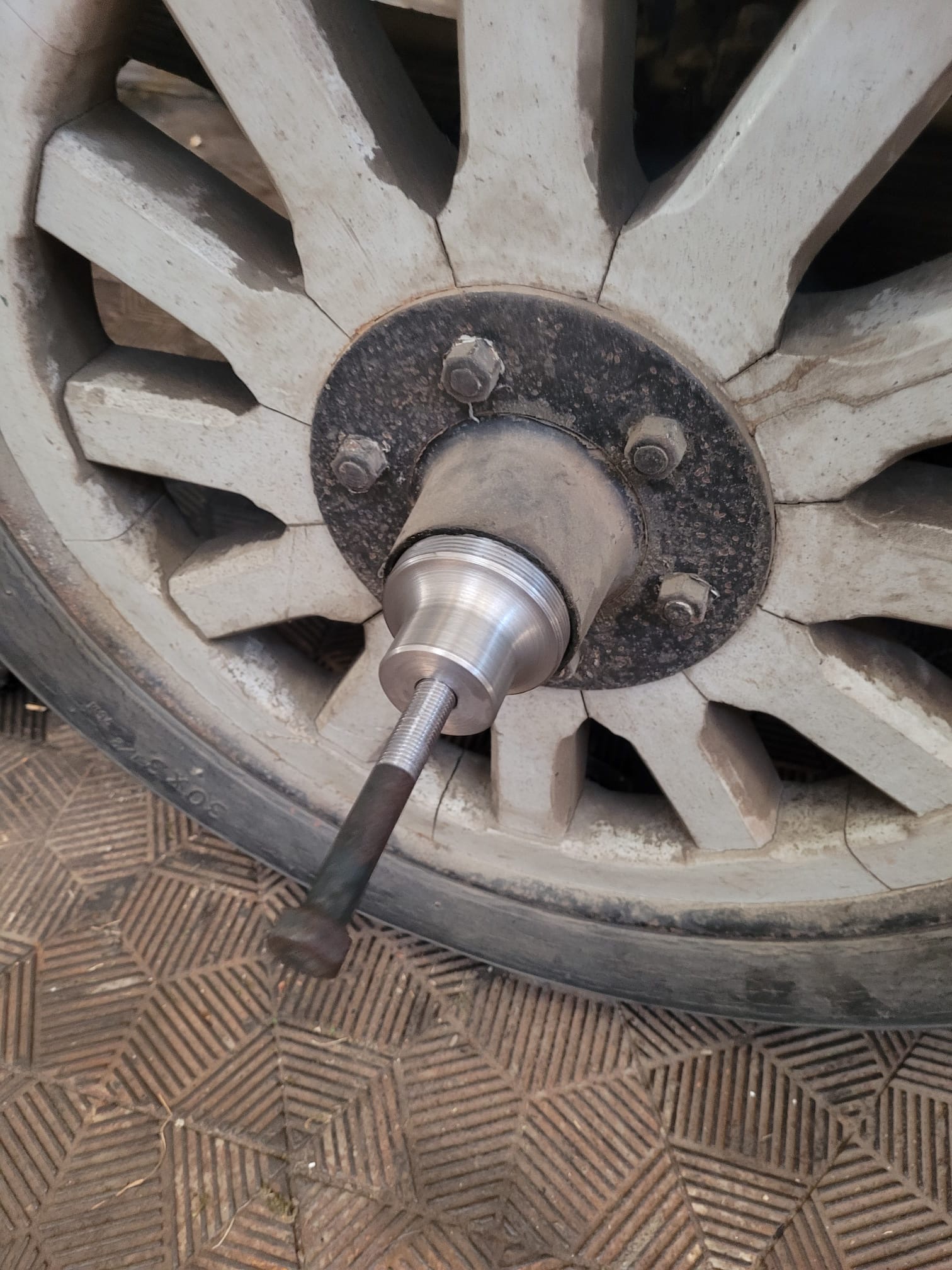
The volunteer team will now progress the removal of the wheels as the next part of the conservation process. Design work for replacement wheels to the original design is progressing, and we hope to make use of the 3D printer to prove the design, before finding a budget and contractor for the work itself.
Armstrong Whitworth Car
Below: The AW Car has ventured out into he real World, for a shakedown run to see how it performs under more arduous conditions than are found at the museum. We hope to enable it to attend/participate in a small number of event away from Beamish each year, to fly the flag for the museum and the collection.
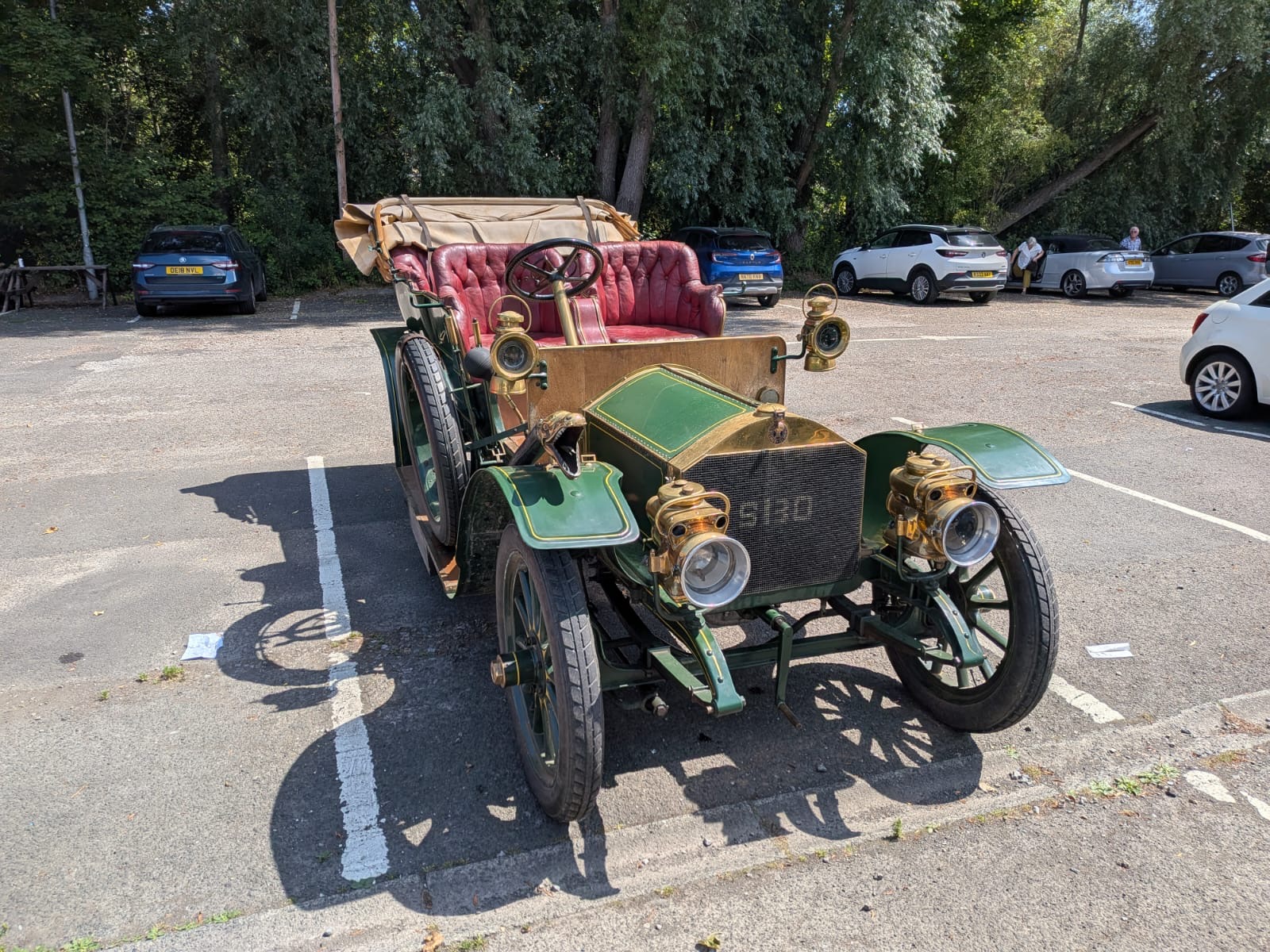
Below: The run proved to be very satisfactory, the only issue being the temporary repair of the water pump (with a 3D printed impeller) requiring a more permanent fix.

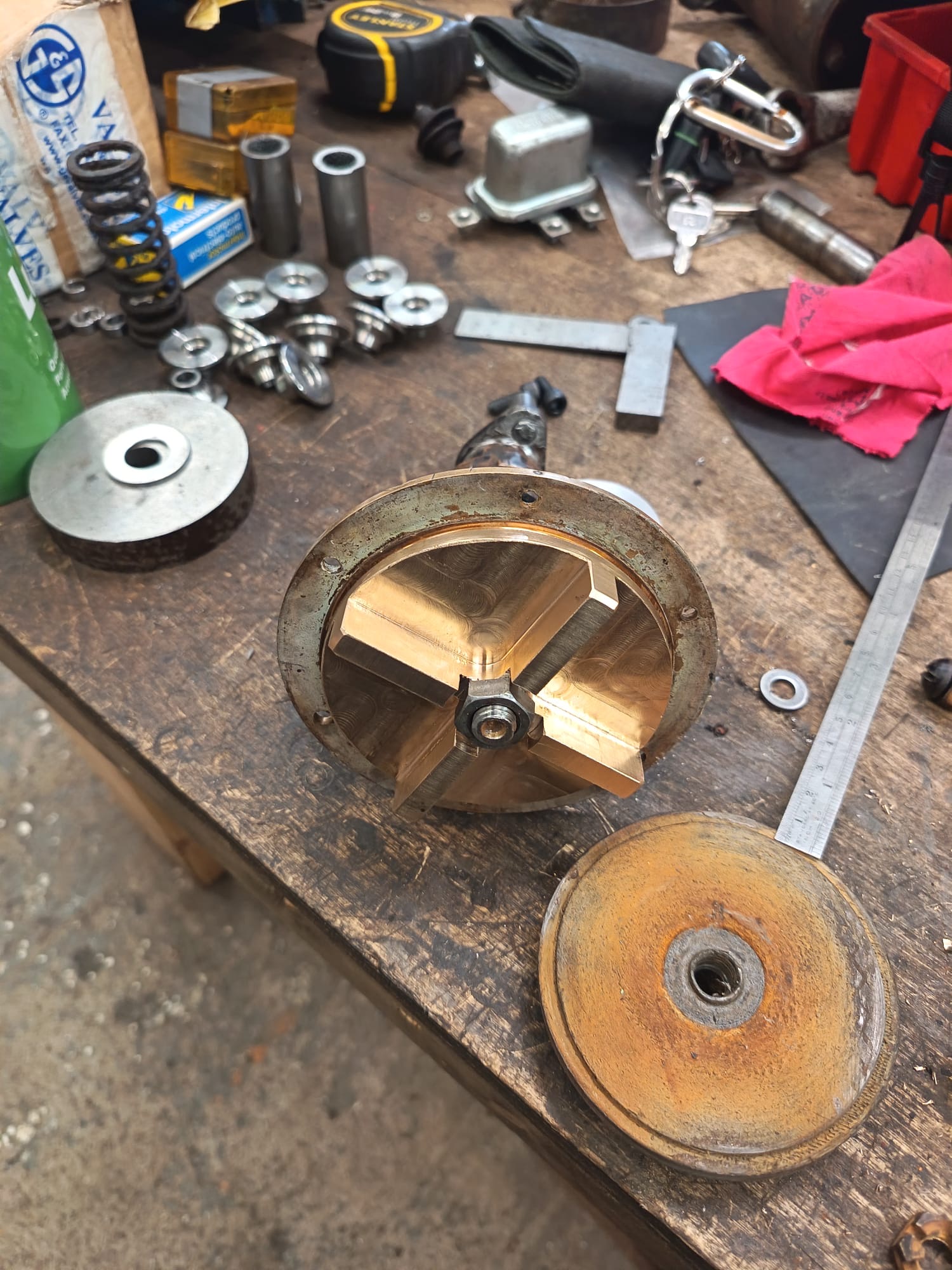
Below: This is the fix – the start of manufacturing a new impeller, the bronze stock being turned to size in the lathe.
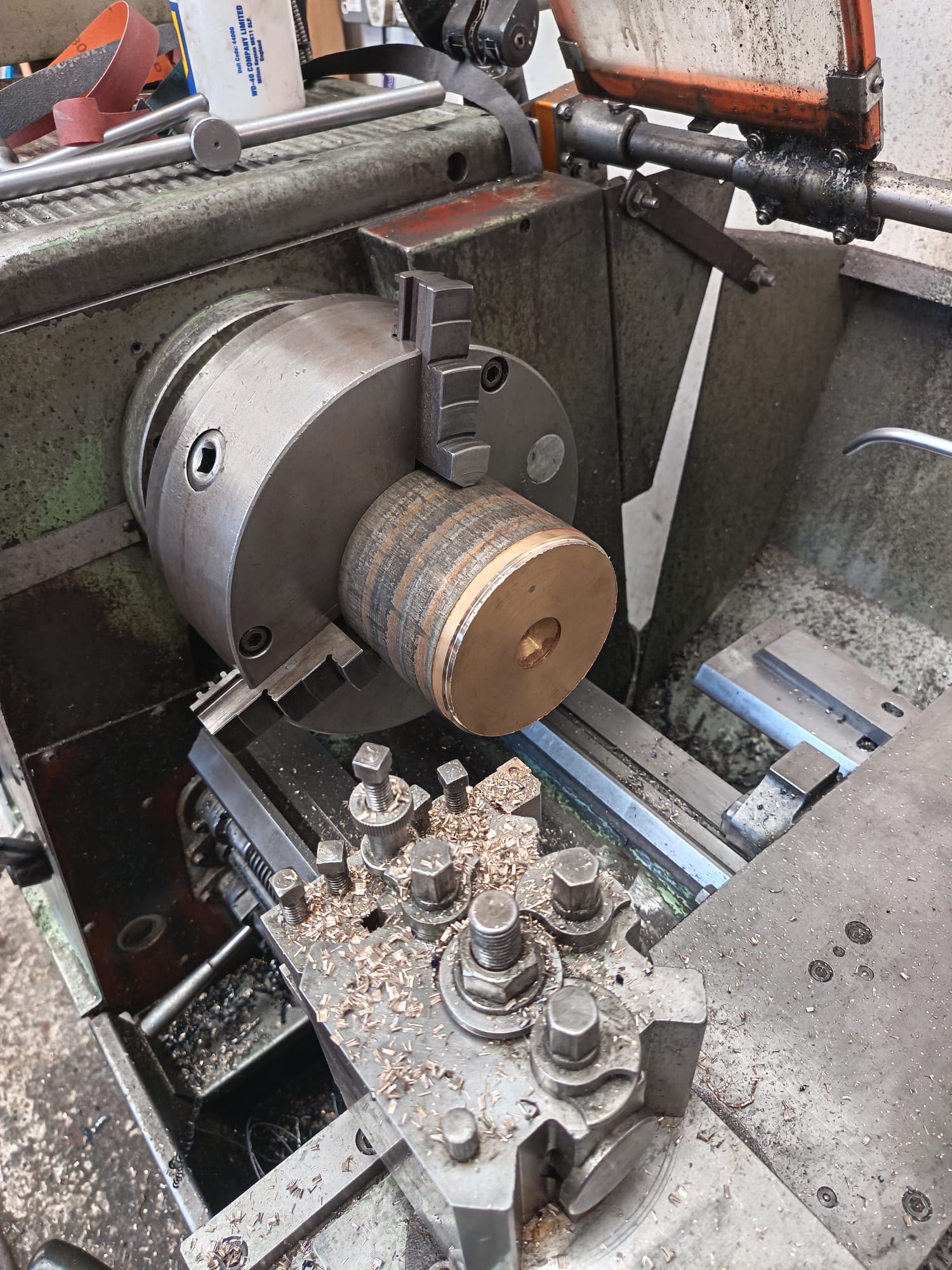
Below: With the outside diameter achieved, and the piece also turned true on the face, it was then onto the milling machine…

Below: The milling machine is used to create the vanes of the impeller.
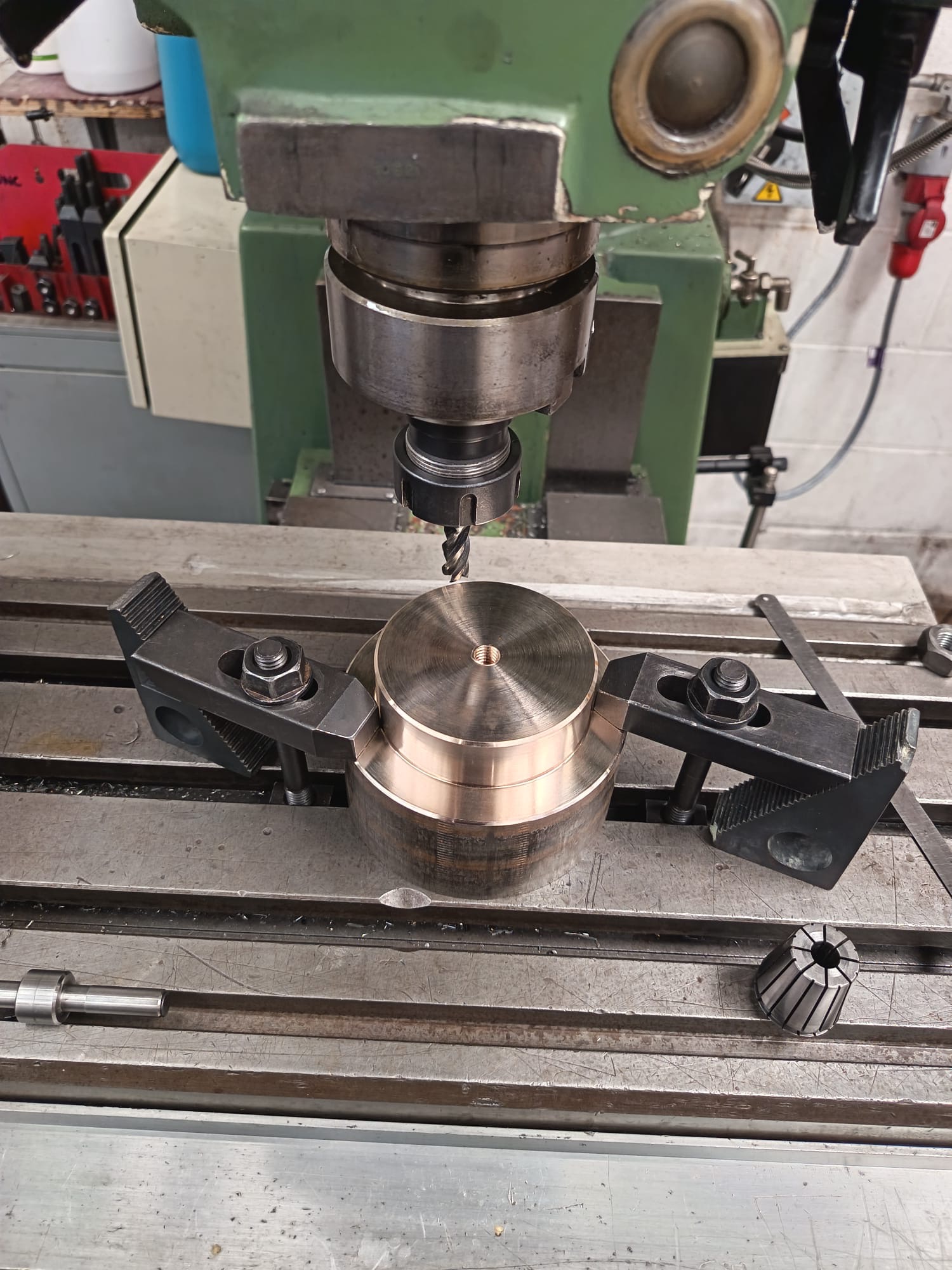
Below: This photo shows the vanes – a smaller number have been created for this replacement, as it was found the radiator was unable to cope with the flow rate imparted by the water pump. The radiator itself is ‘on the list’ for attention in due course, but for now is satisfactory in its operation.
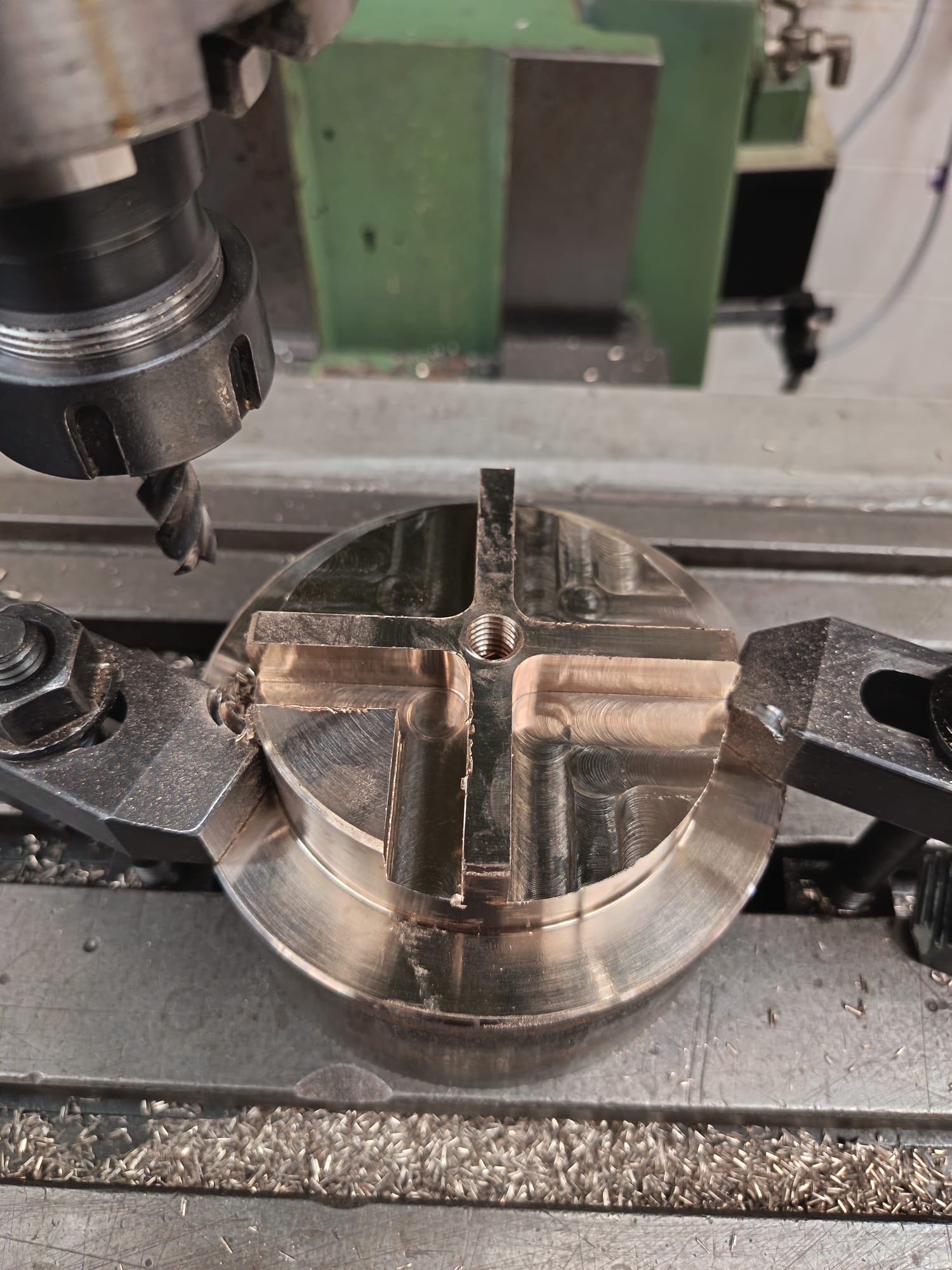
Below: The piece is moved back to the lathe for parting off from the source material.

Below: The pump housing also required some attention to improve its efficiency. This surface has been built up with solder – it is not a bearing surface so does not need to be a precise fit, but earlier repairs and deep pitting were deemed to be undesirable.
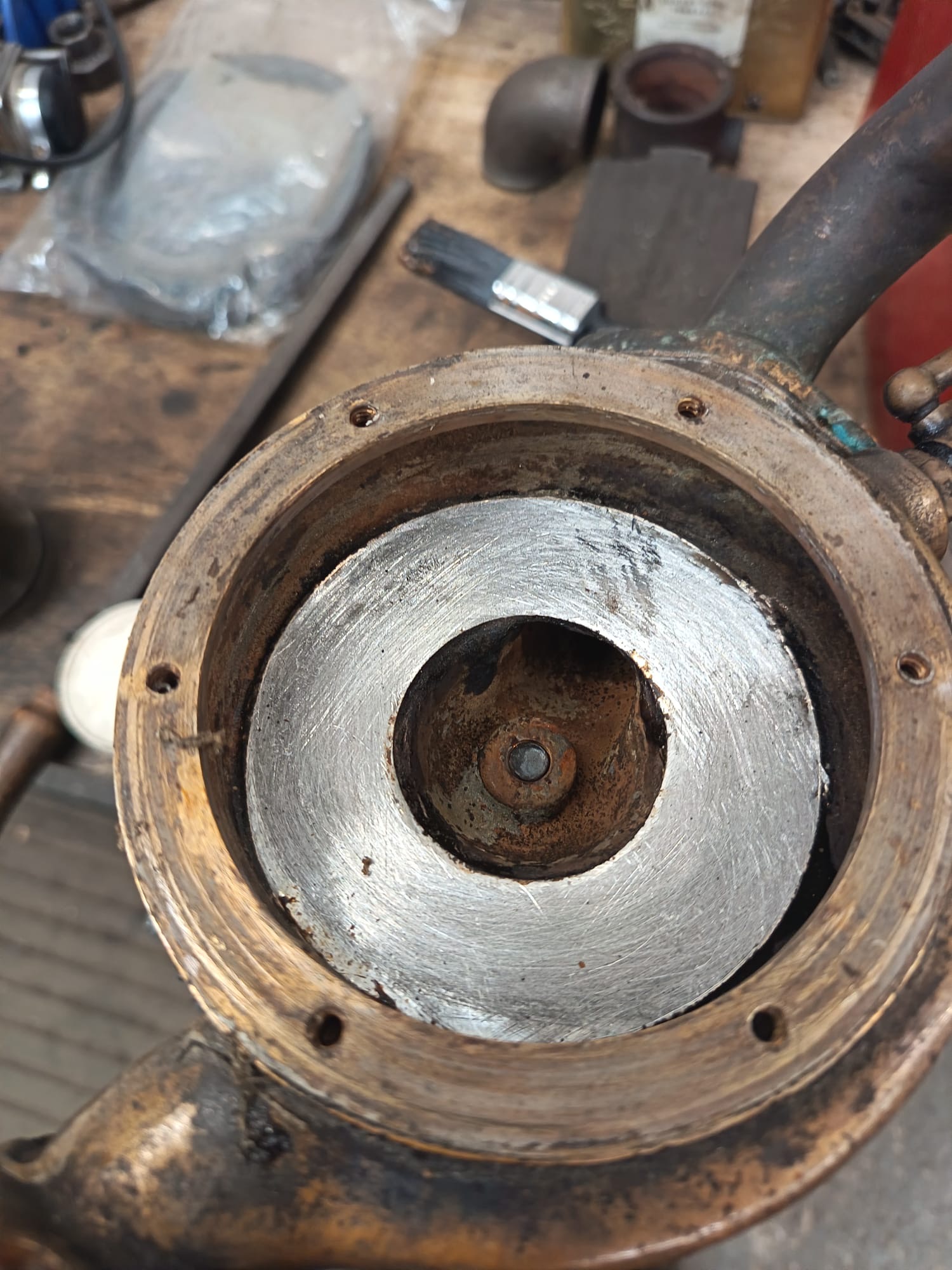
Below: The assembly complete, ready for installation back into the car.
We are also obtaining quotes for a new hood/canvas/tilt (choose your preferred term!) for the car. The current one is water-stained and very tired looking, and rather lets the appearance down of the car. It is my goal that it becomes one of the museum’s ‘show-stoppers’ in terms of a significant local exhibit with a lot of kerb appeal. It therefore needs to look its very best, alongside the work that has been done to hugely improve upon its mechanical condition.
Bus Workshop Activity
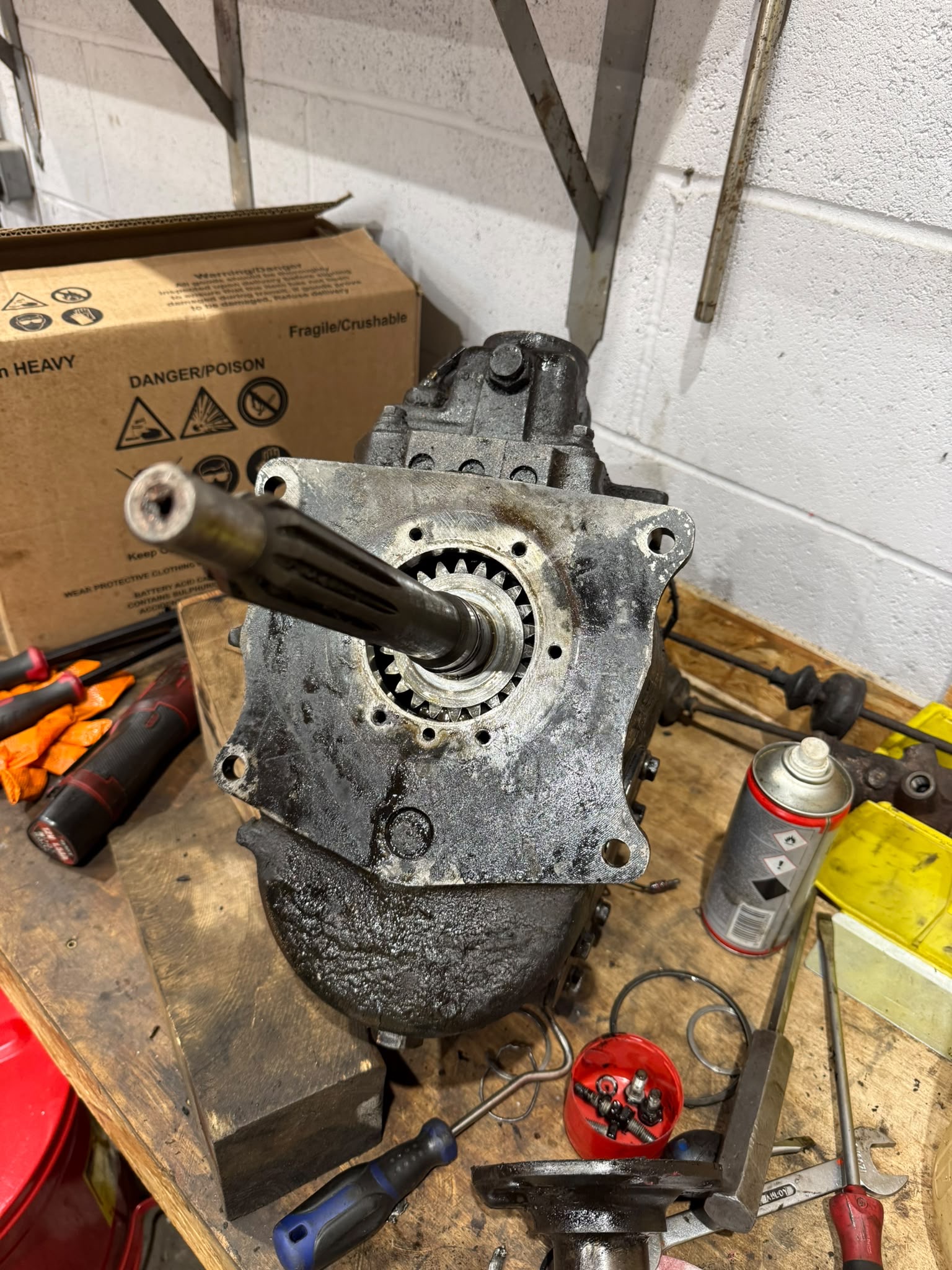
Below: Ben Wilson sent some photos through from the Bus Depot Workshop, showing some of the work recently carried out on the fleet. We start with the Daimler CC, No.297 (usually referred to as ‘the D bus’ on site). This had developed a ‘horrible metallic noise’ when pulling away from bus stops. The gearbox was removed as part of the search for a cause, and it was discovered that the gearbox input shaft bearing had collapsed.

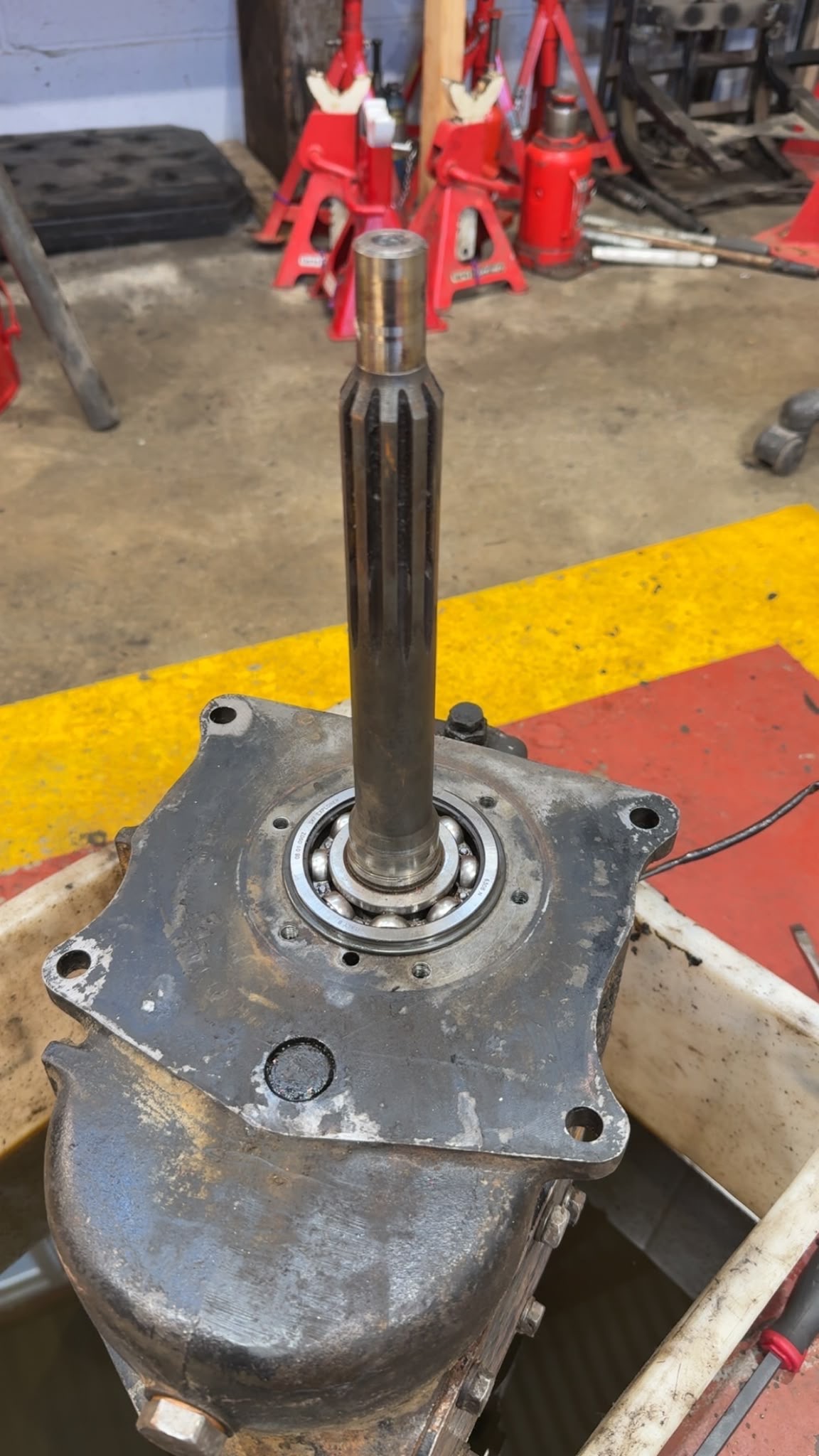
Above and Below – before and after the removal of the failed bearing.
Below: A close up view of the damaged bearing.

Below: A new bearing was installed, and the gearbox re-assembled.
Below: The assembly after cleaning and before installation back into the bus – as can be seen, parts of the exhaust had to be removed to gain access.
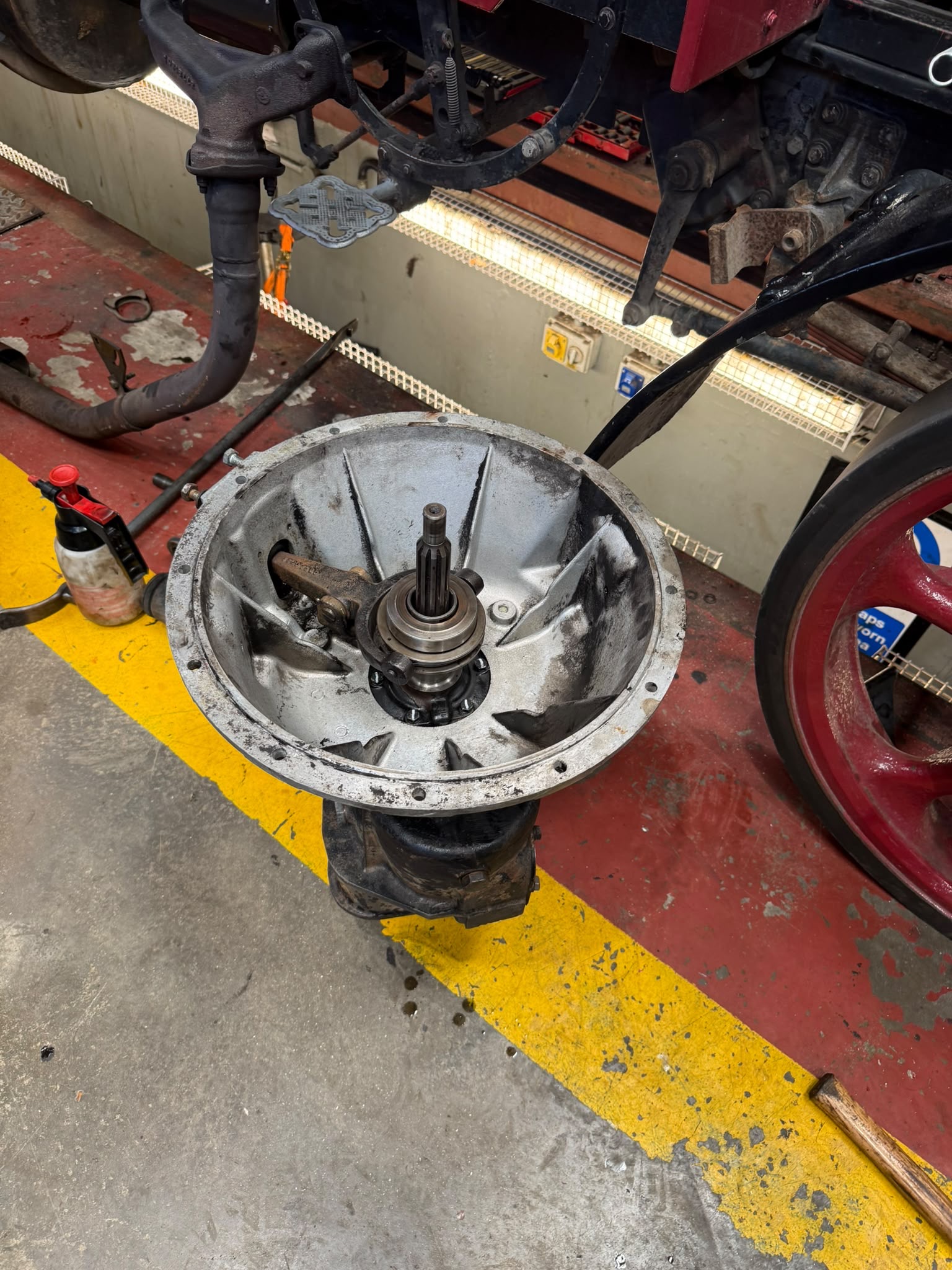
Below: This view shows the bus surrounded by some of the components removed – including the entire exhaust system. The whole process kept the bus out of service for just 24 hours – a very decent turnaround especially given that the gearbox had to be removed to accomplish the repair.
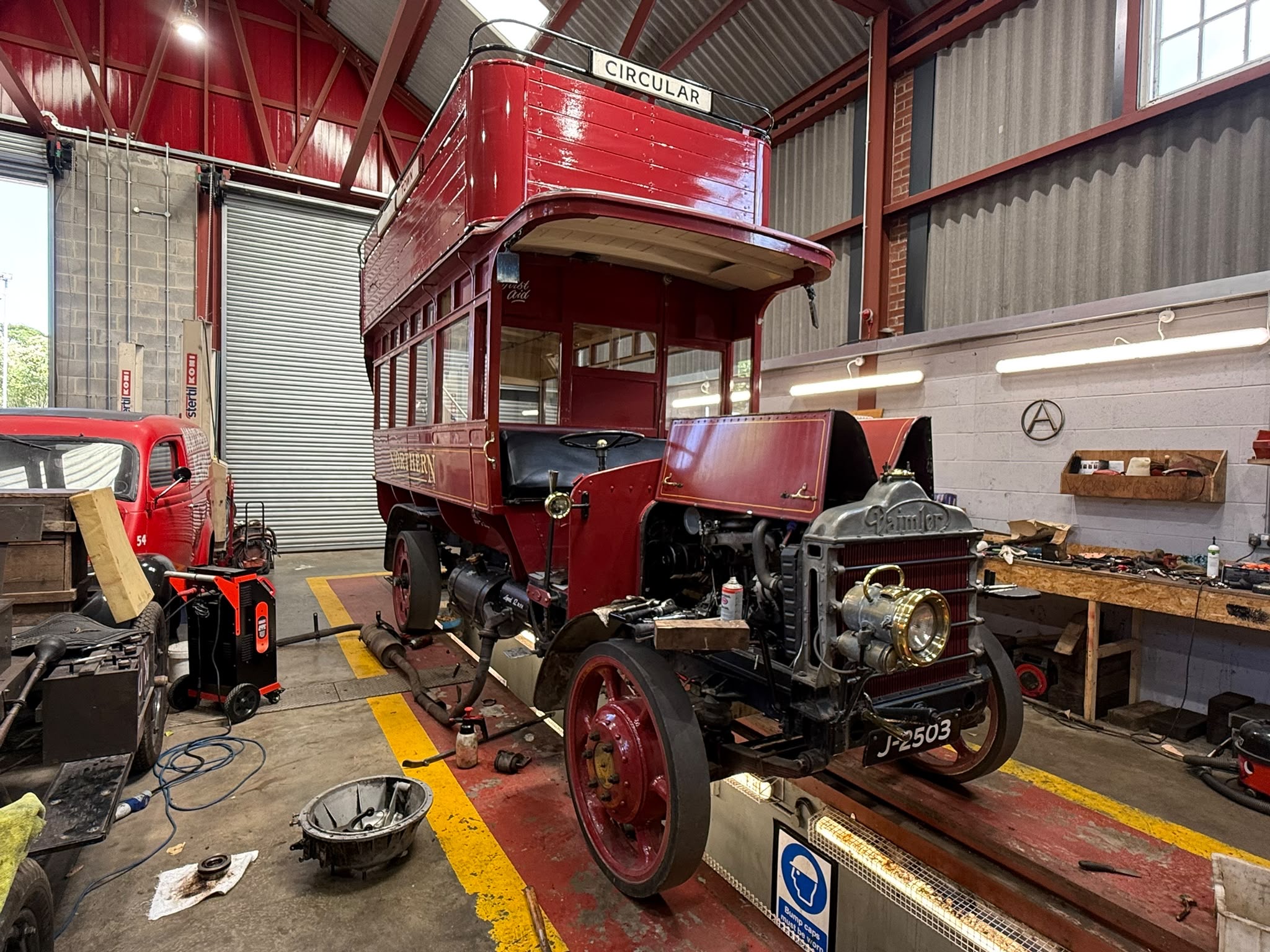
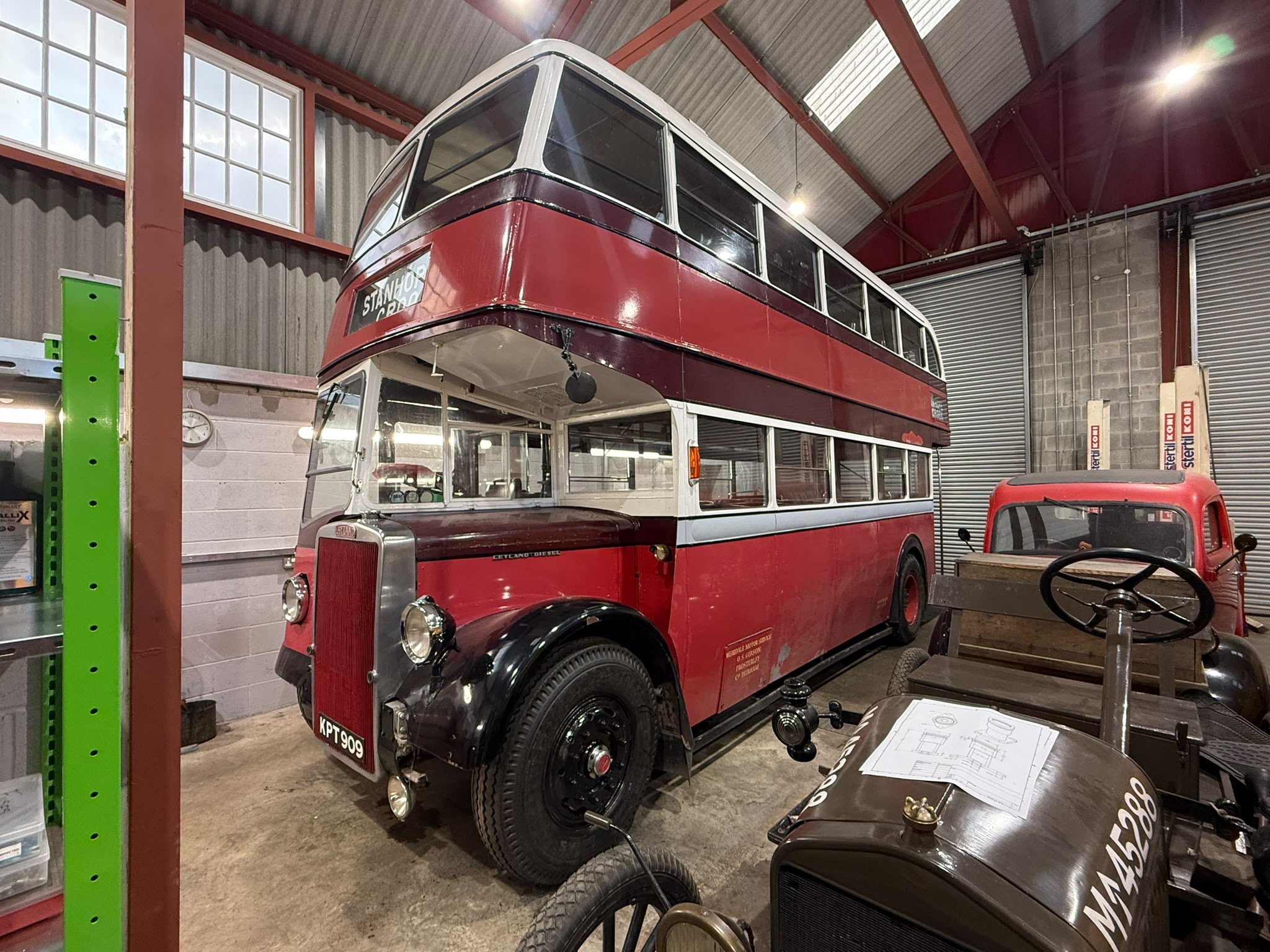
Below: KPT 909’s patch-repaint was featured in the last post, but is included again here as Ben had recorded the process of preparing it for the next phase in its long-term repaint – this time was focussed on the purple band beneath the lower-deck windows.
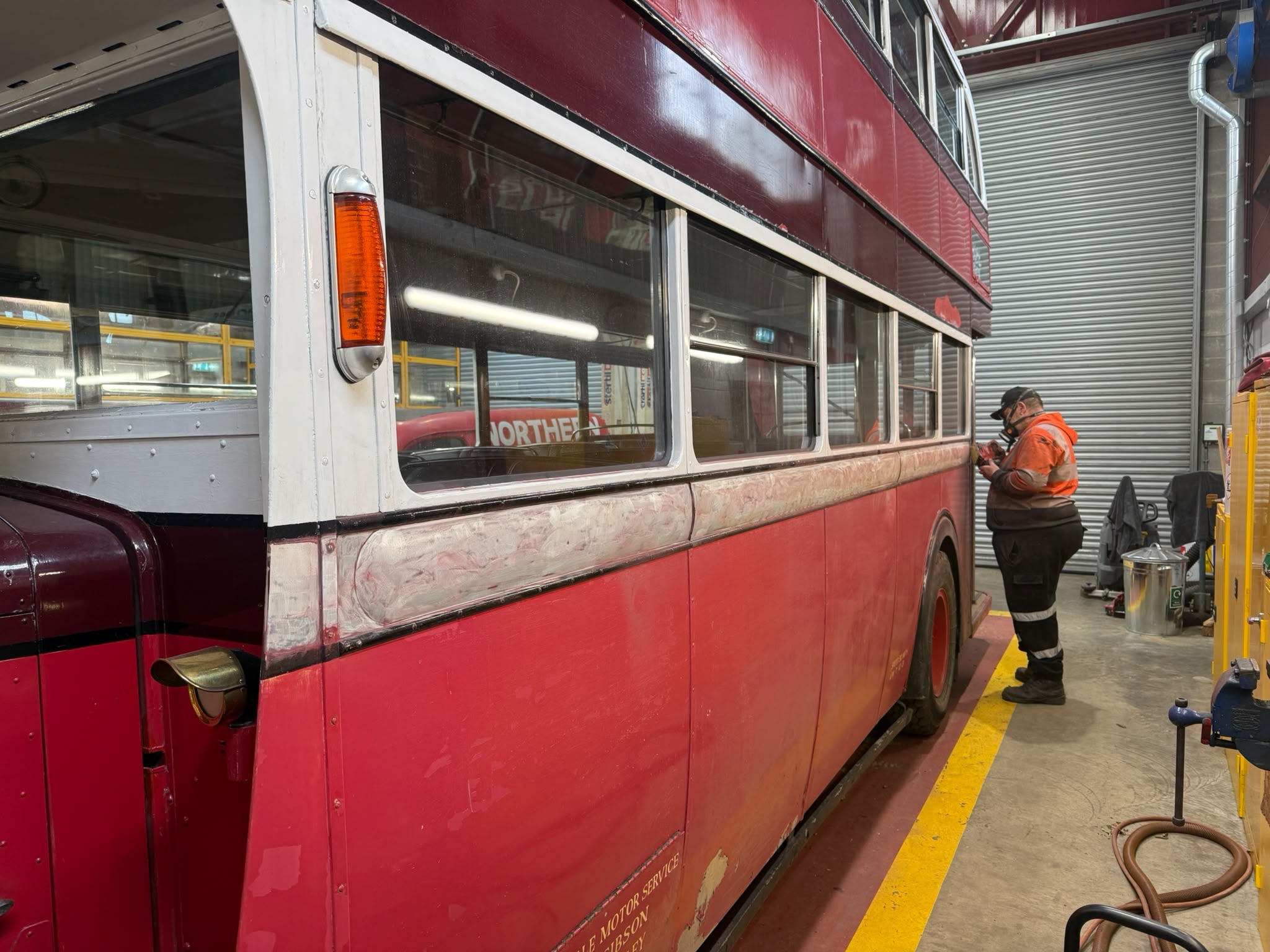
Below: The panels were carefully primed, to provide a better key for the top coat (there is a general lack of primer on this bus, which has resulted in quite large areas of paintwork falling off – this is part of the reason for the phased process of repainting 909, whilst trying to ensure that is available for service as much as possible).
Below: Marking out the lettering, once the panels had been top coated.
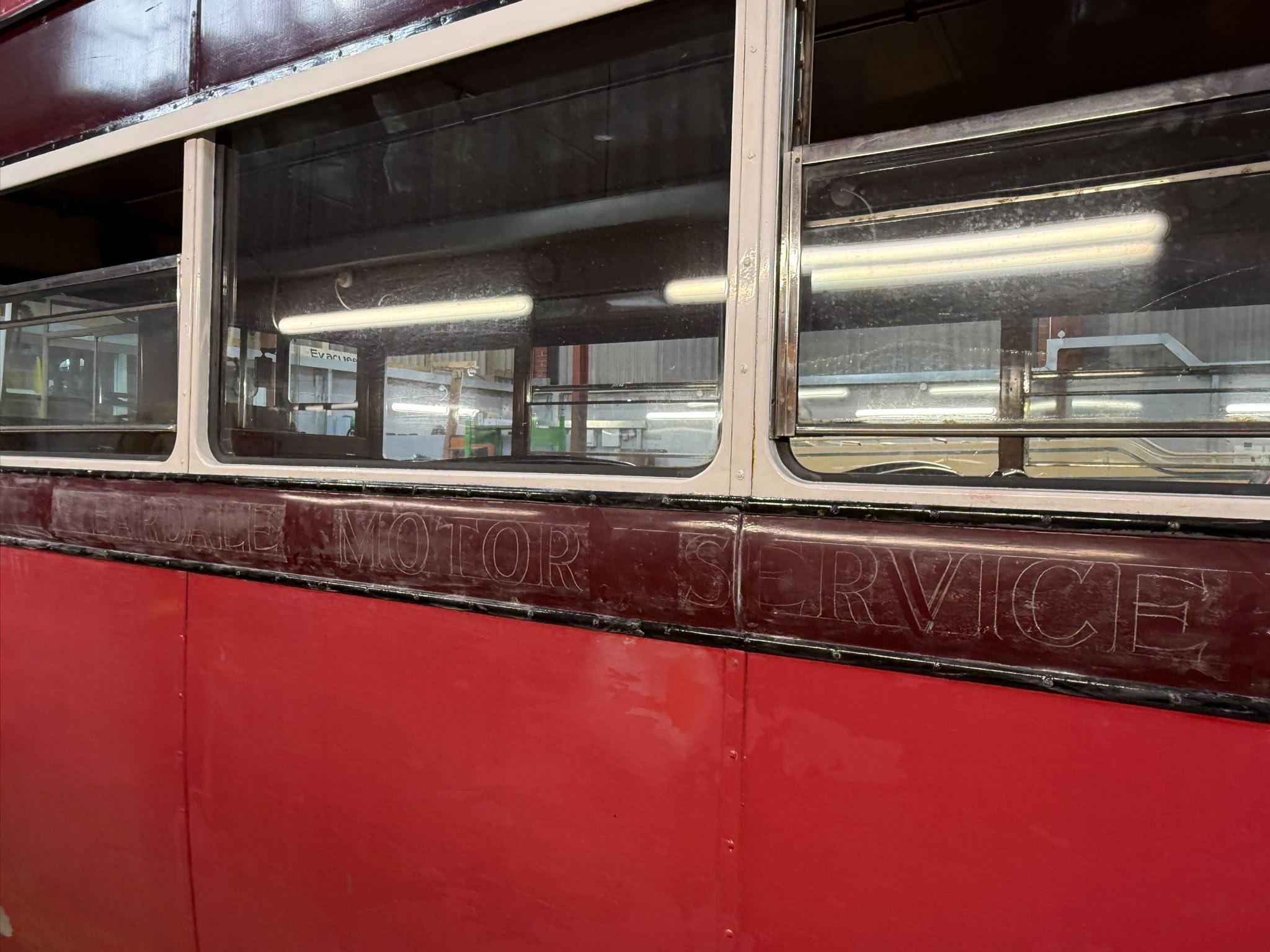
Below: Gold leaf applied…
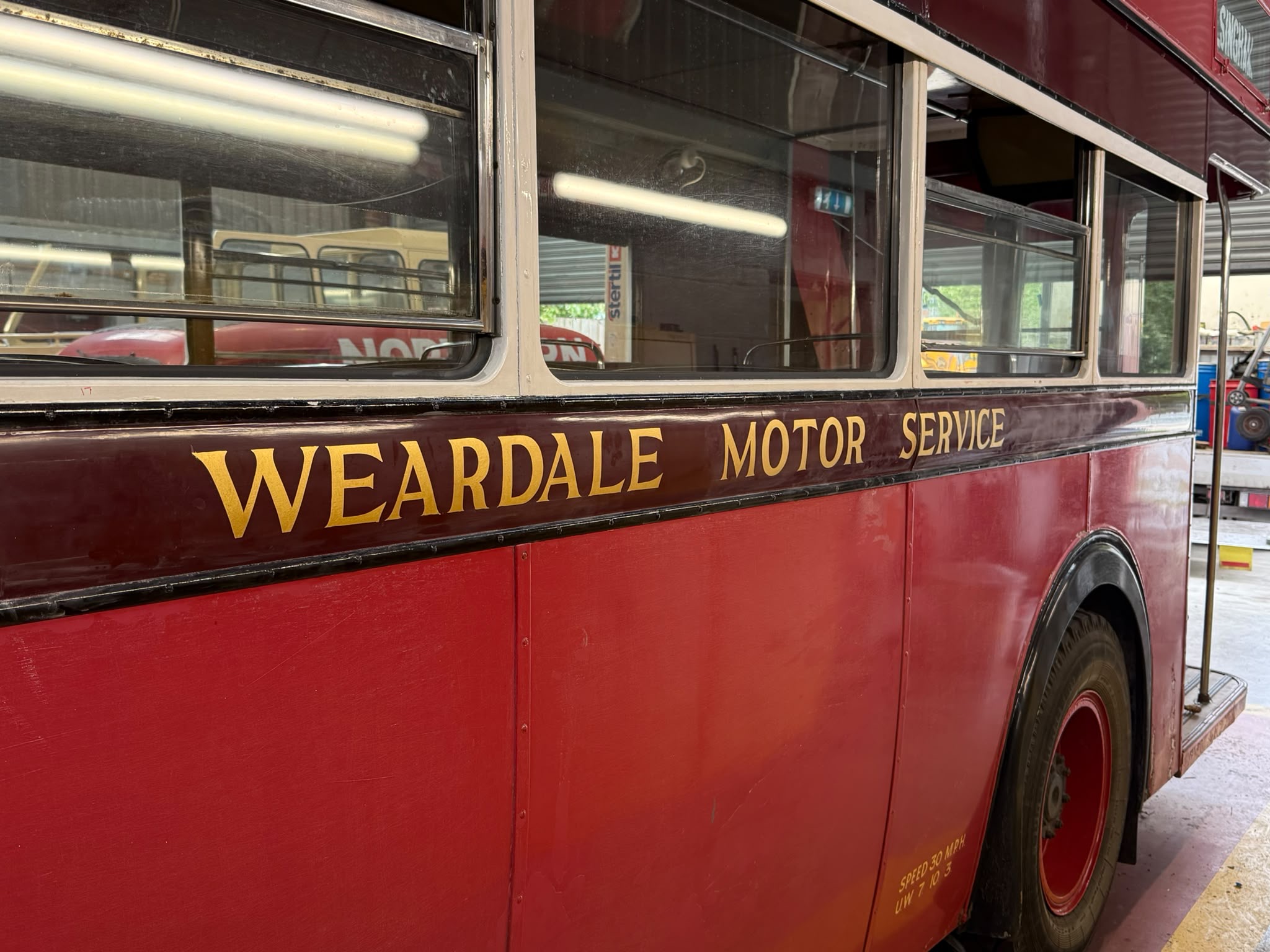
Below: Black lining applied around each letter…
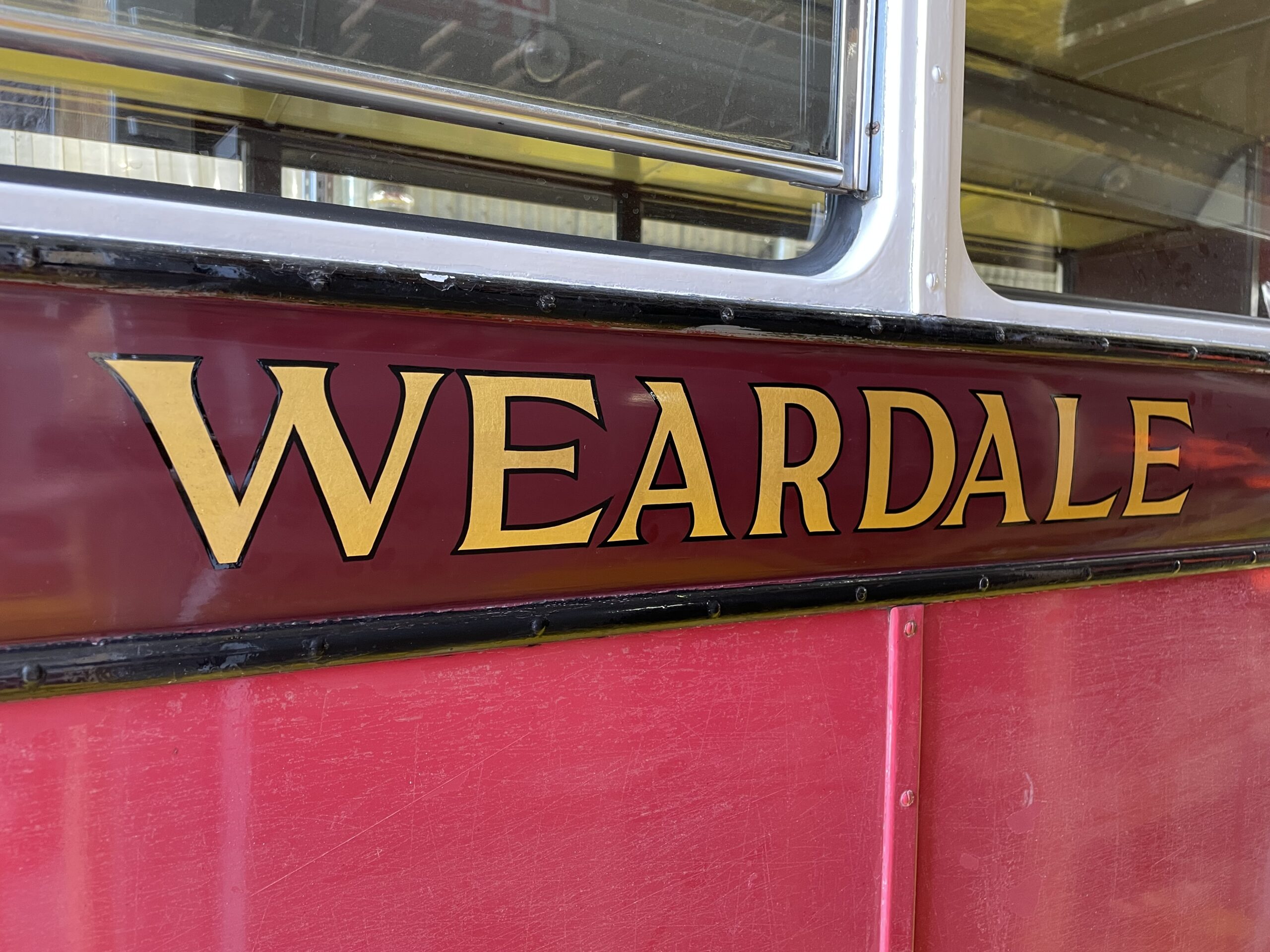
This winter the red panels of the lower-deck will all be repainted, and probably the decency panels (between the decks) for consistency of colour. We may move to a redder hue – as the shade applied is quite pink in certain lighting conditions.
Street Furniture
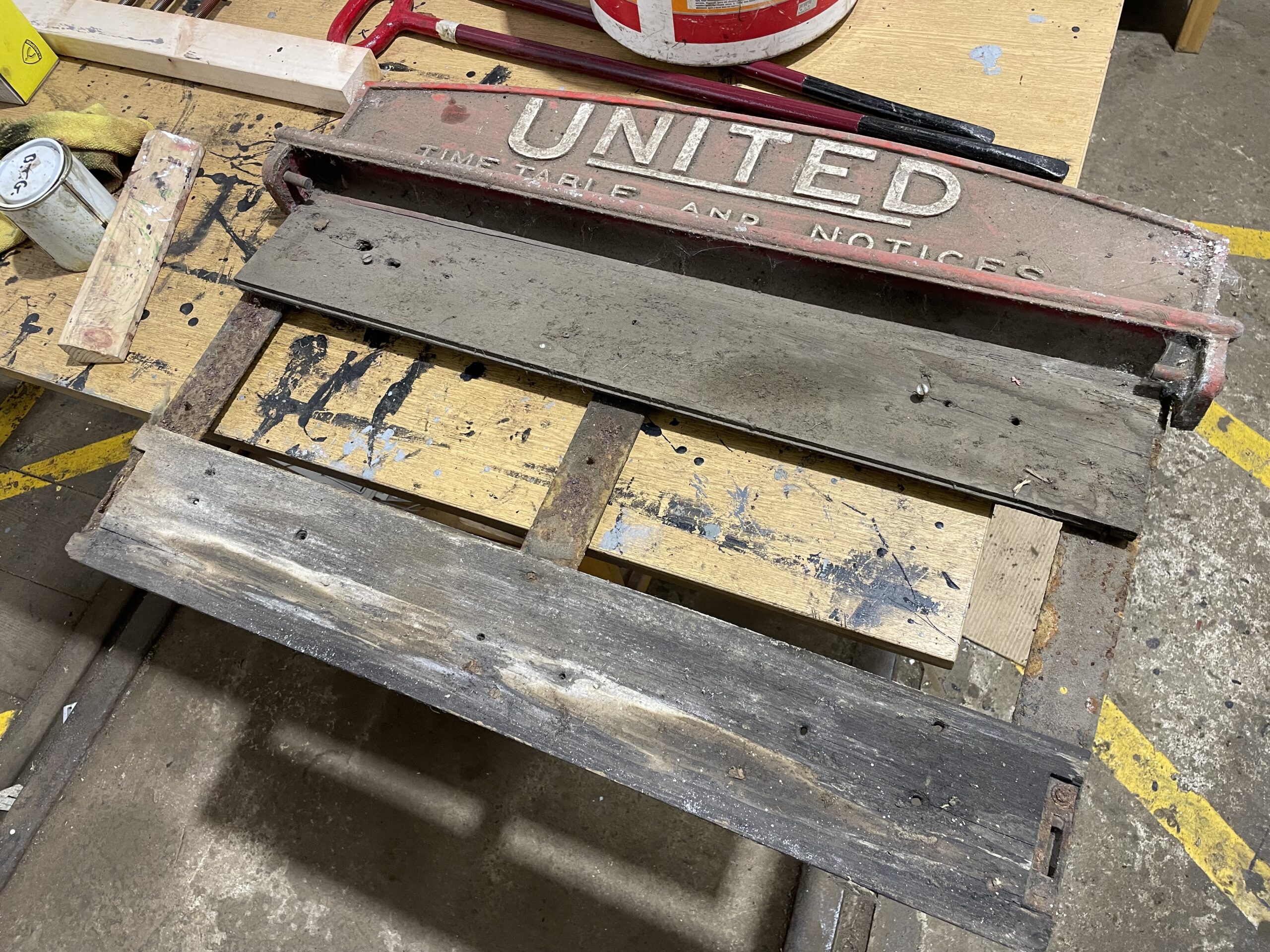
Below: This bus stop noticeboard, of obvious origin, has been in store for many years and was the inspiration for the ‘BEAMISH’ Tramway noticeboards that can be found at each stop around the circuit. This sign is now being restored in its own right, to provide information at Pockerley, where it will be installed behind the newly erected Darlington Corporation shelter. Volunteer Peter has taken on the task of restoration and replicating the missing bits…
Glyder to visit the Threlkeld Quarry Railway
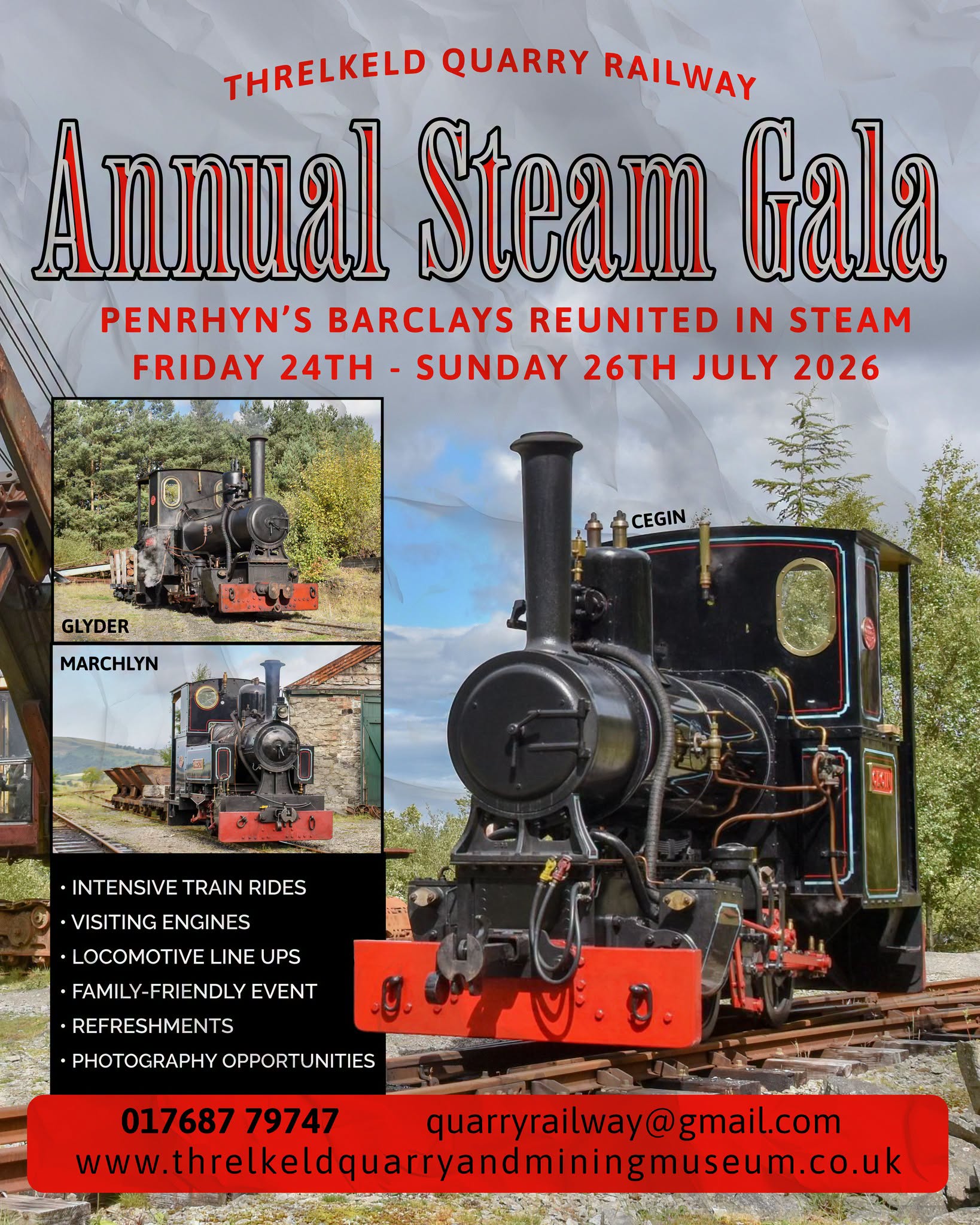
Glyder is making a very rare trip away from Beamish, to attend the Annual Steam Gala at Threlkeld Mining Museum in Cumbria. It will be reunited with fellow Barclay (ex DCWB/PQR) Cegin, as well as Marchlyn (the latter two visiting from the Statfold Barn Railway). The success of events like this depend on attendance, so if you are in the area and wish to see Glyder (and the other locomotives) in this stunning quarry setting, this might be the one and only chance to do so… We do not anticipate Glyder visiting any other railways so this should be something very special.
Photographs by Phil Doran, David Knott, Paul Jarman, Phil Smith and Ben Wilson
Recent Comments