
Transport & Engineering Diary June 2026 Part 2
The latter half of June saw further progress made on previously reported work streams and projects, despite some stifling temperatures in the workshops (and even outside!). This post covers the very beginning of July as well, as it made sense to include some of this week’s developments here too. We have three long-term projects coming reaching the conclusion of their overhauls, which is an exciting prospect. Unfortunately, the progress on Newcastle 114 has all but stagnated and we have been badly let down by the contractor appointed to prepare the damaged controller for overhaul. Whilst we had hoped to return it to service this summer, this almost certainly won’t happen, and a way forward is being explored with the contractor to see what can be done to make some headway. We have also decided to programme Blackpool 31 into the mix this autumn, with a partial repaint preceding a body lift and the removal of its wheelsets for turning. This will give the team a chance to inspect the bogies and carry out any remedial work required. Sunderland 16 should have been lifted and restored to its wheels by then, on new tyres – if everything goes to plan…
Gateshead 10
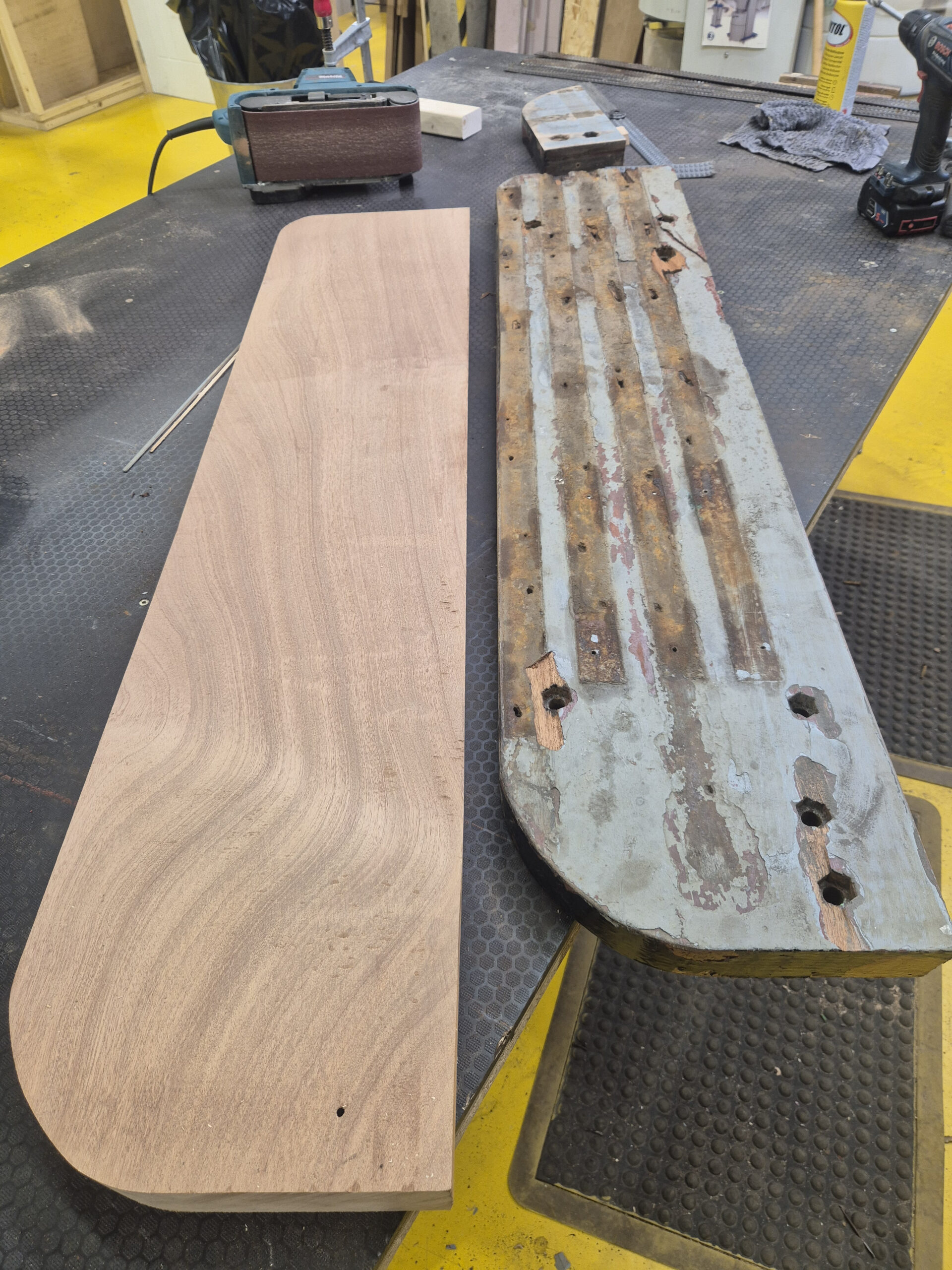
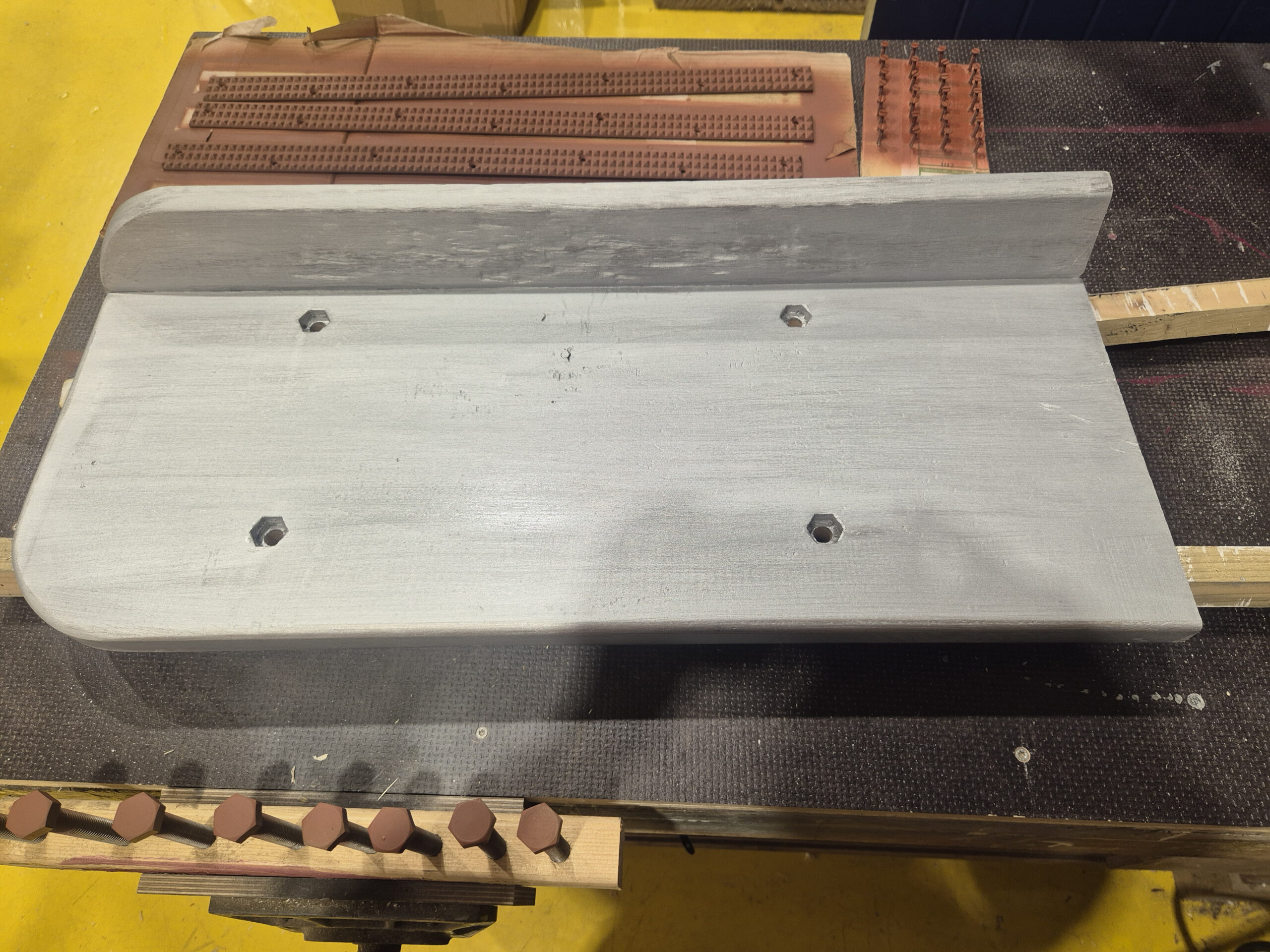
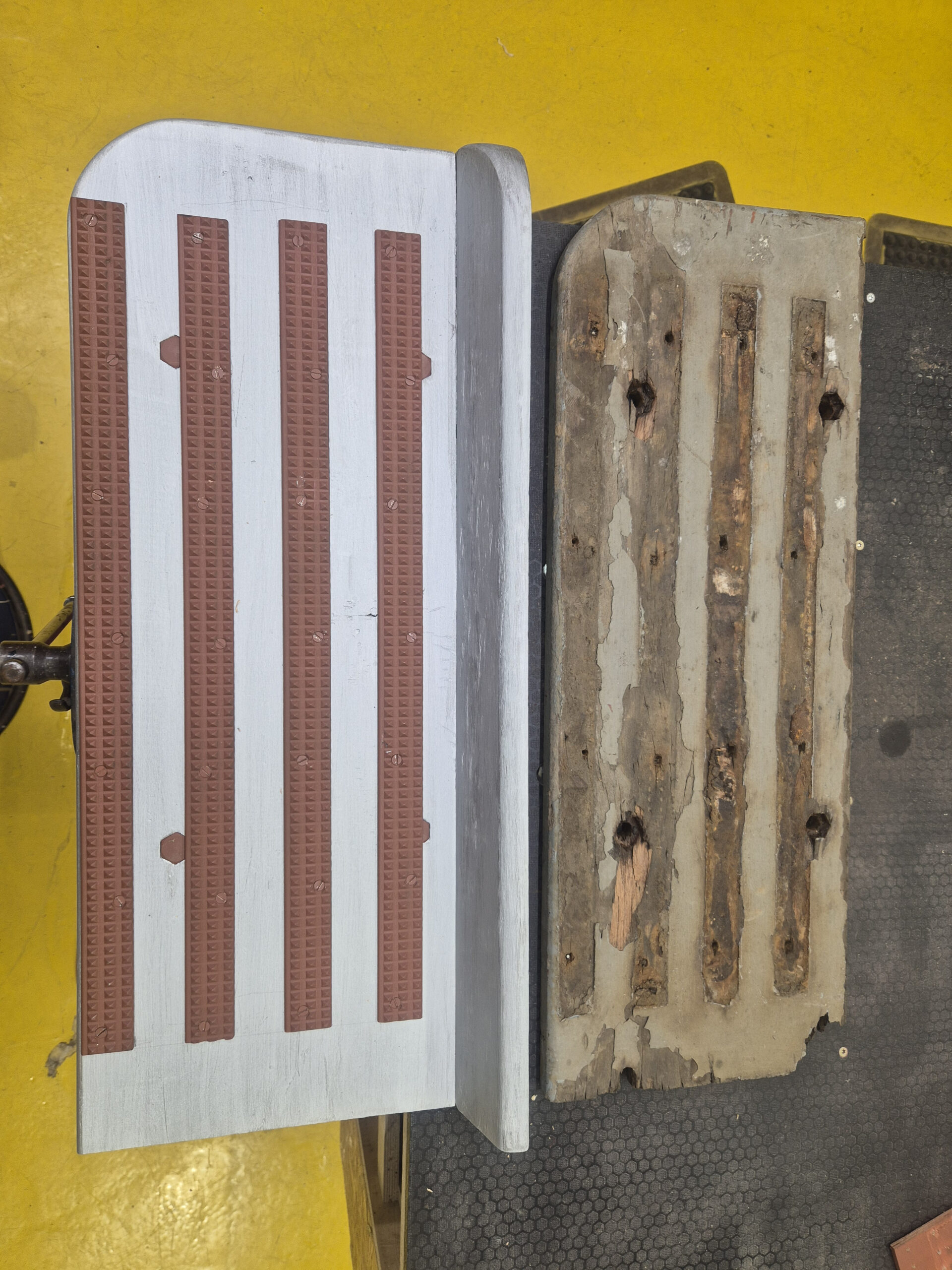
Below: This project is now on the finishing straight, after something like ten years of work (with several interruptions along the way, admittedly). The steps for No.10 have all required attention, with longer steps being replaced and new short steps being made from the material liberated from the scrap long ones, as shown in this sequence of images. The final two steps are currently being painted and will shortly be fitted.
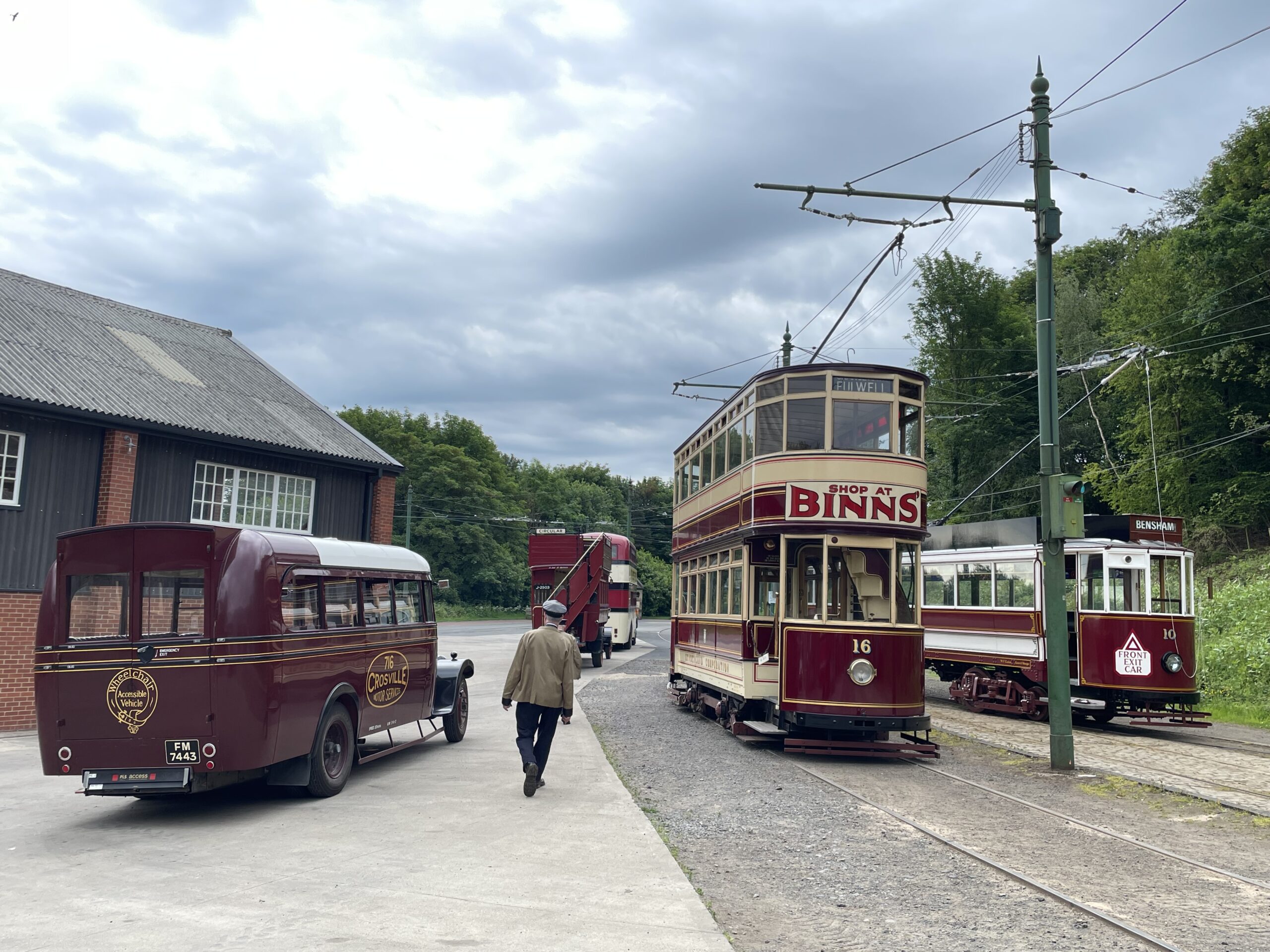
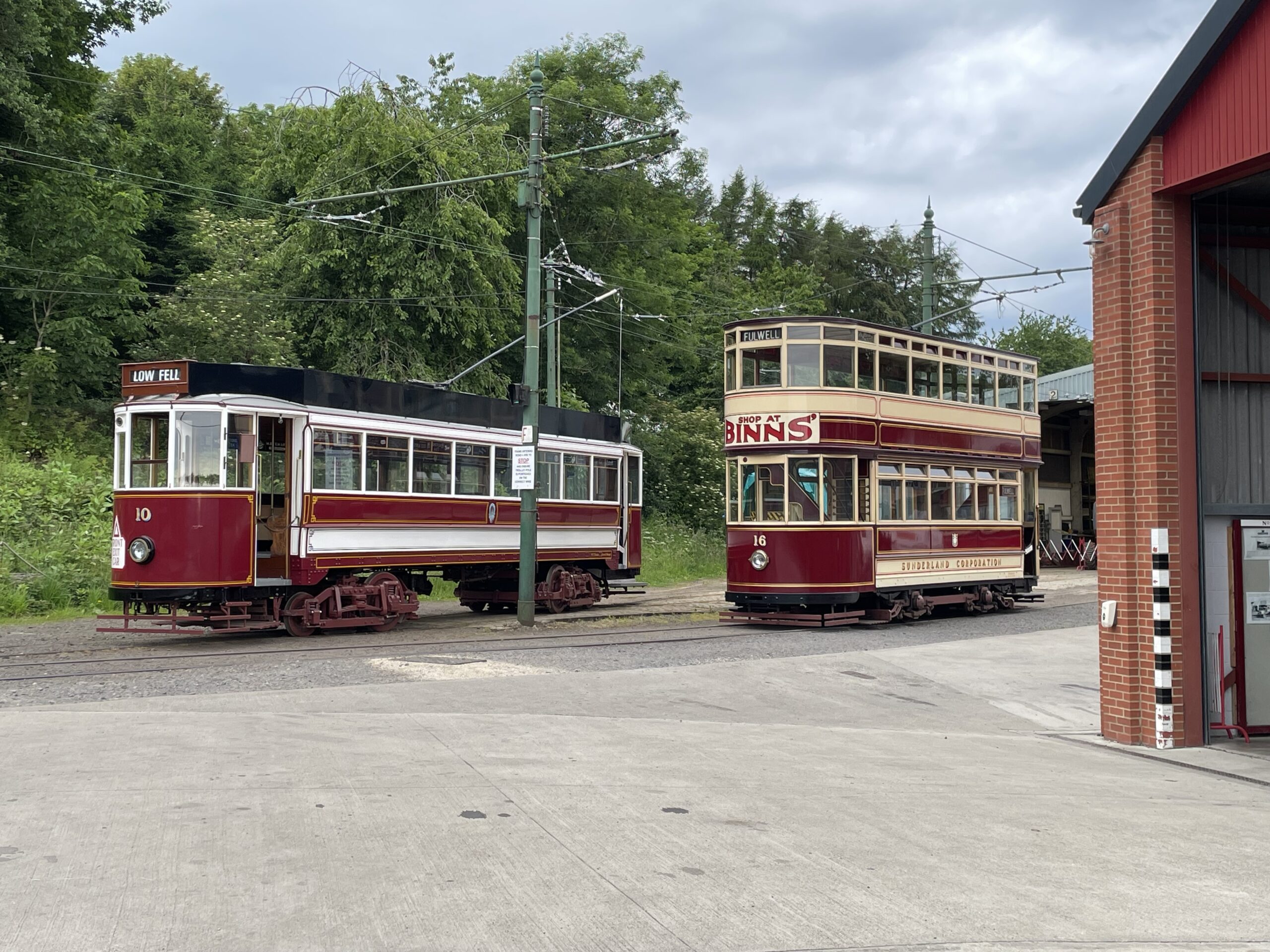
Below: Whilst waiting on some rated shackles to arrive for the brakegear, and air filters for the braking system, 10 has been confined to the depot area, where it has made sorties outside in conjunction with repair work to the roof of the depot building. This also saw Sunderland No.16 outside (waiting for new tyres) – making for quite a uniform scene, in livery terms…
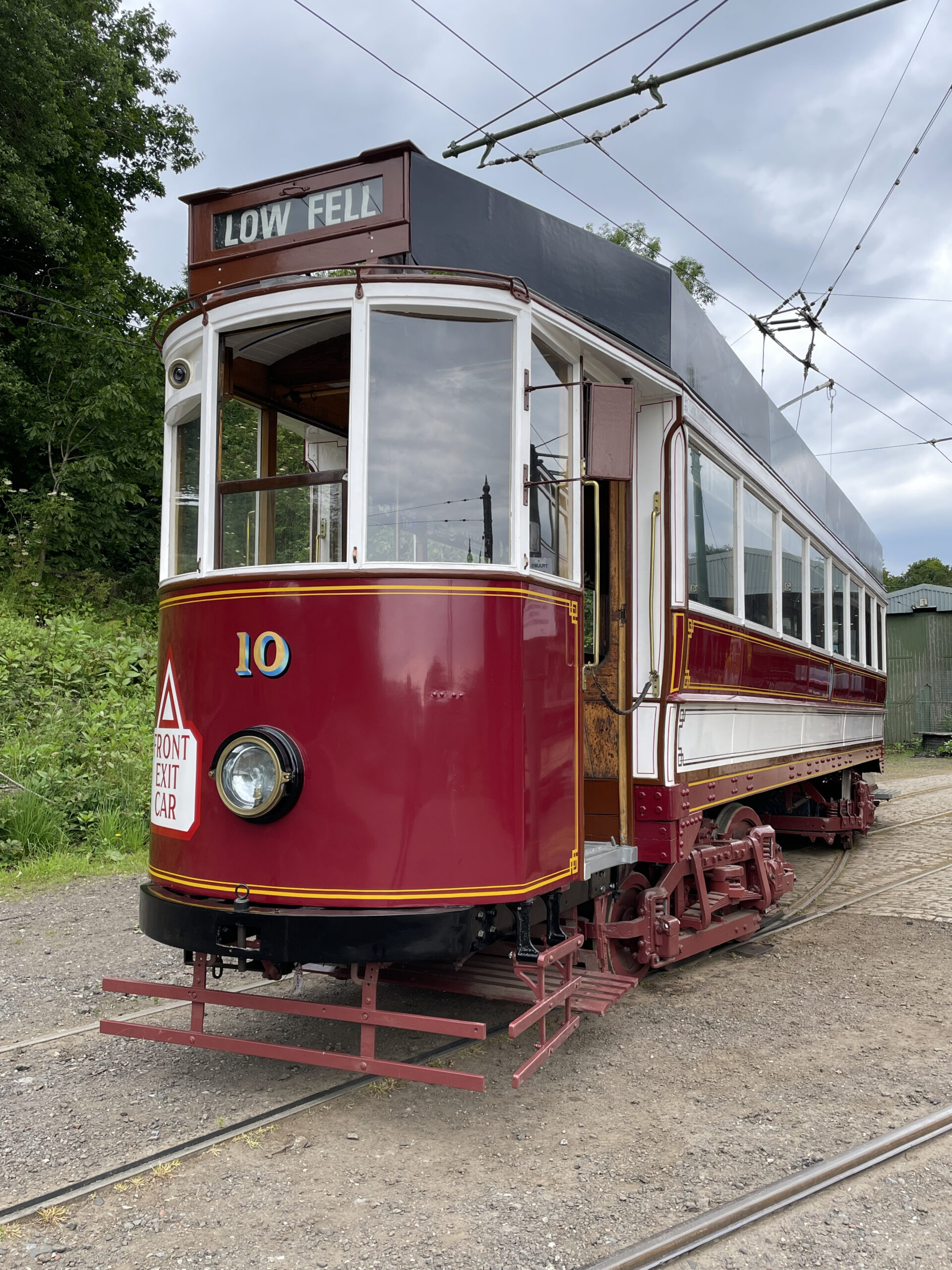
Below: With the side guards still to be fitted, No.10 is nevertheless largely complete. Some remedial work is being carried out to localised areas of the paintwork, and the crests have also been fitted, to enable the tram to be vanished in the next week or so.
Below: The two local trams that never met… The engineering team is also designing flange lubricators for No.10, and these will be fitted and observed, with view to rolling this concept out across the fleet if there is an appreciable benefit to having them. With a decent rail profile and starting with good tyres (and 16 should soon join this club), it is hoped that the wear rate on the tramcar tyre profiles can be reduced – an area we will be monitoring closely.
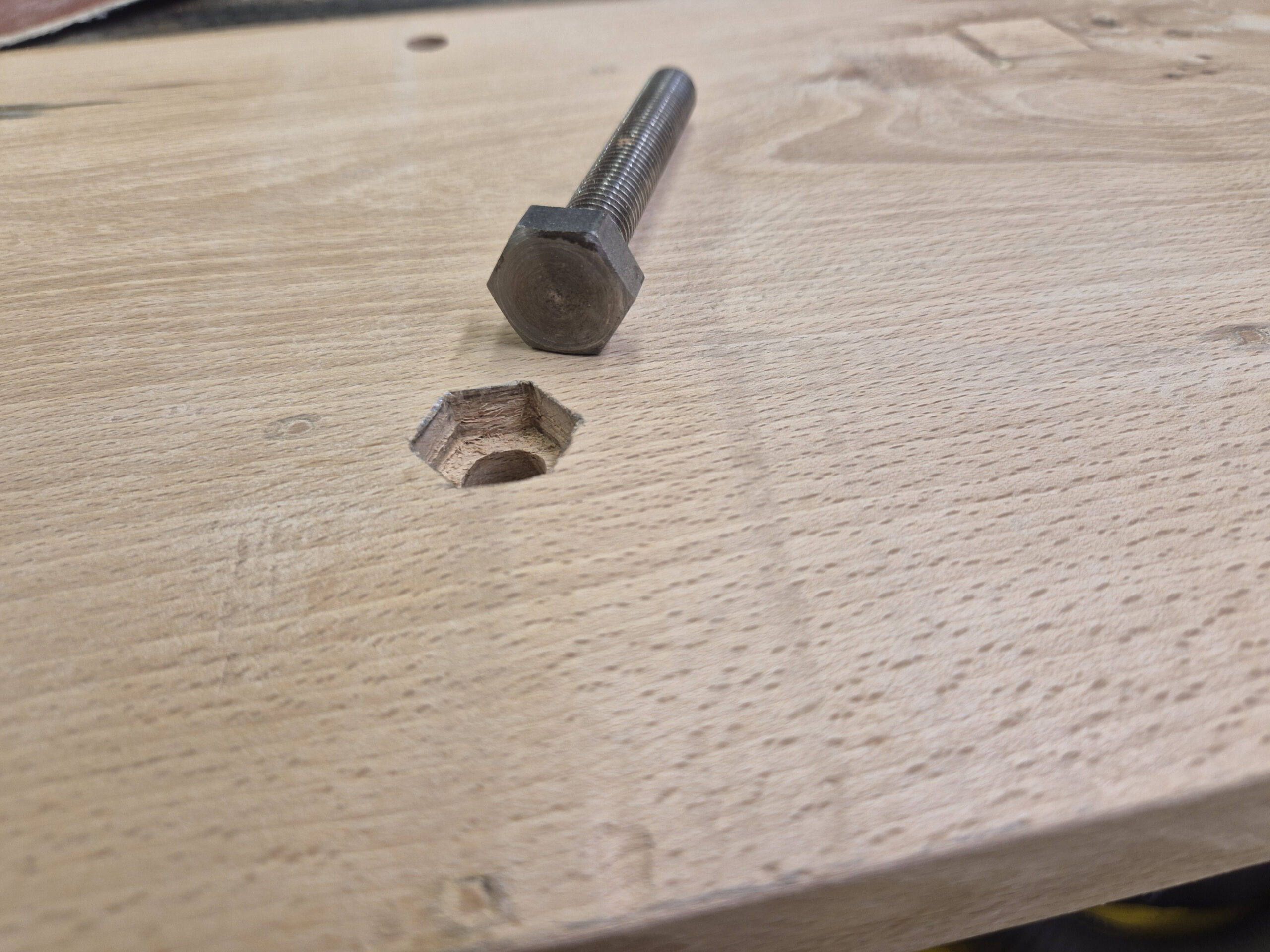
The team have been going around No.10 removing the lettering from boltheads (to disguise their modern origin) and touching-up missing or damaged paintwork on the bogies.
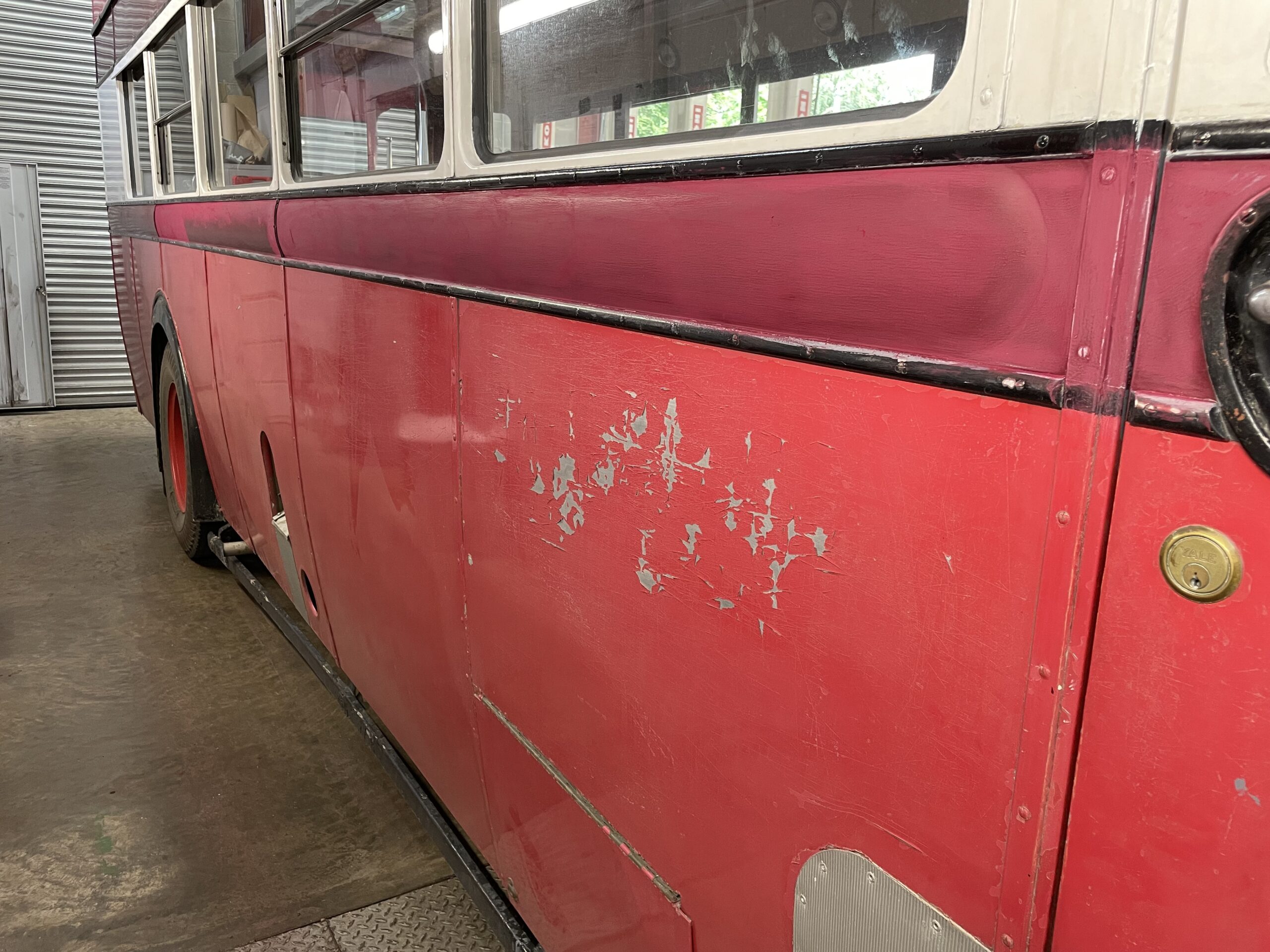
Weardale KPT 909
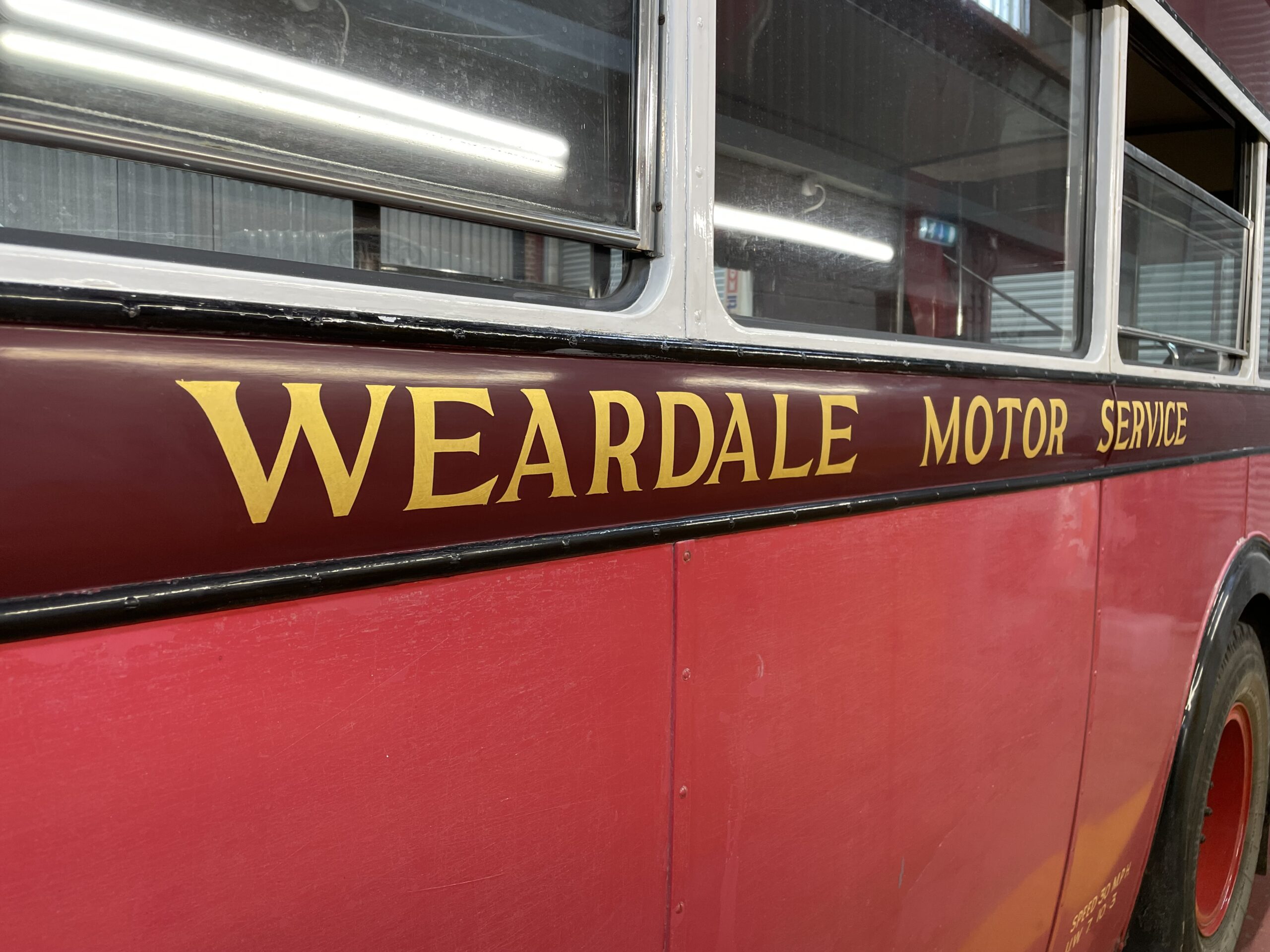
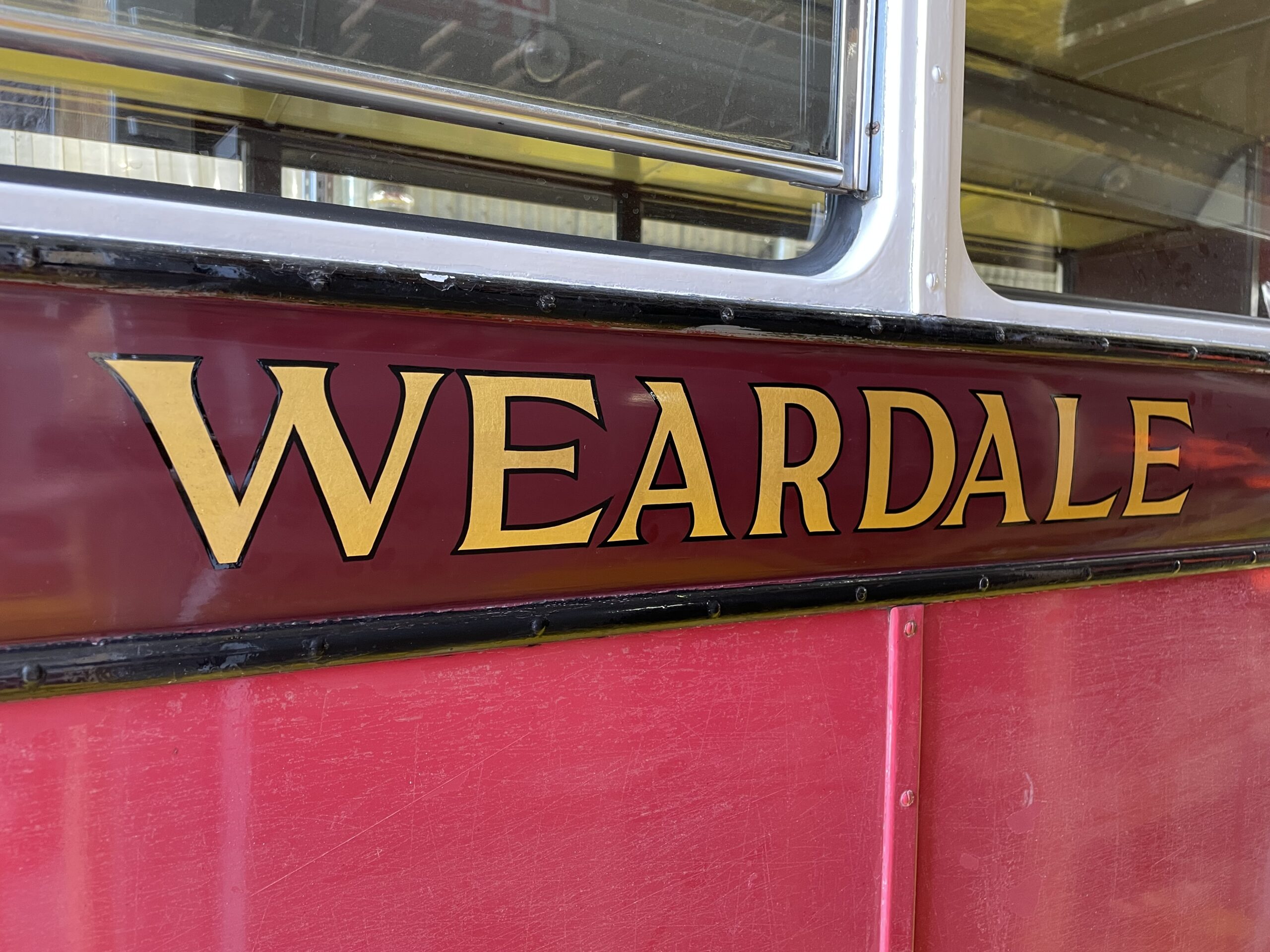
Below: This bus had been looking quite smart, until large areas of the paint in which it arrived started falling off. Taking advantage of a forthcoming visit by the signwriter, the purple panels beneath the windows were prepared and repainted. The side panels, and other areas of the bus, will be similarly treated next winter, the result will then be that the whole bus has been repainted during its first season in operation, but with minimal downtime – as it is one of our most used buses. The deterioration of the paintwork has been quite surprising, and is probably due to the pinky/red shade not having keyed to the body panels when first applied. I am not sure when this was done, but care will be taken, as ever, to try and provide a better base upon which to apply the new coats of paint.
Below: The lettering is restored – gold leaf with a black outline.
Crosville 716
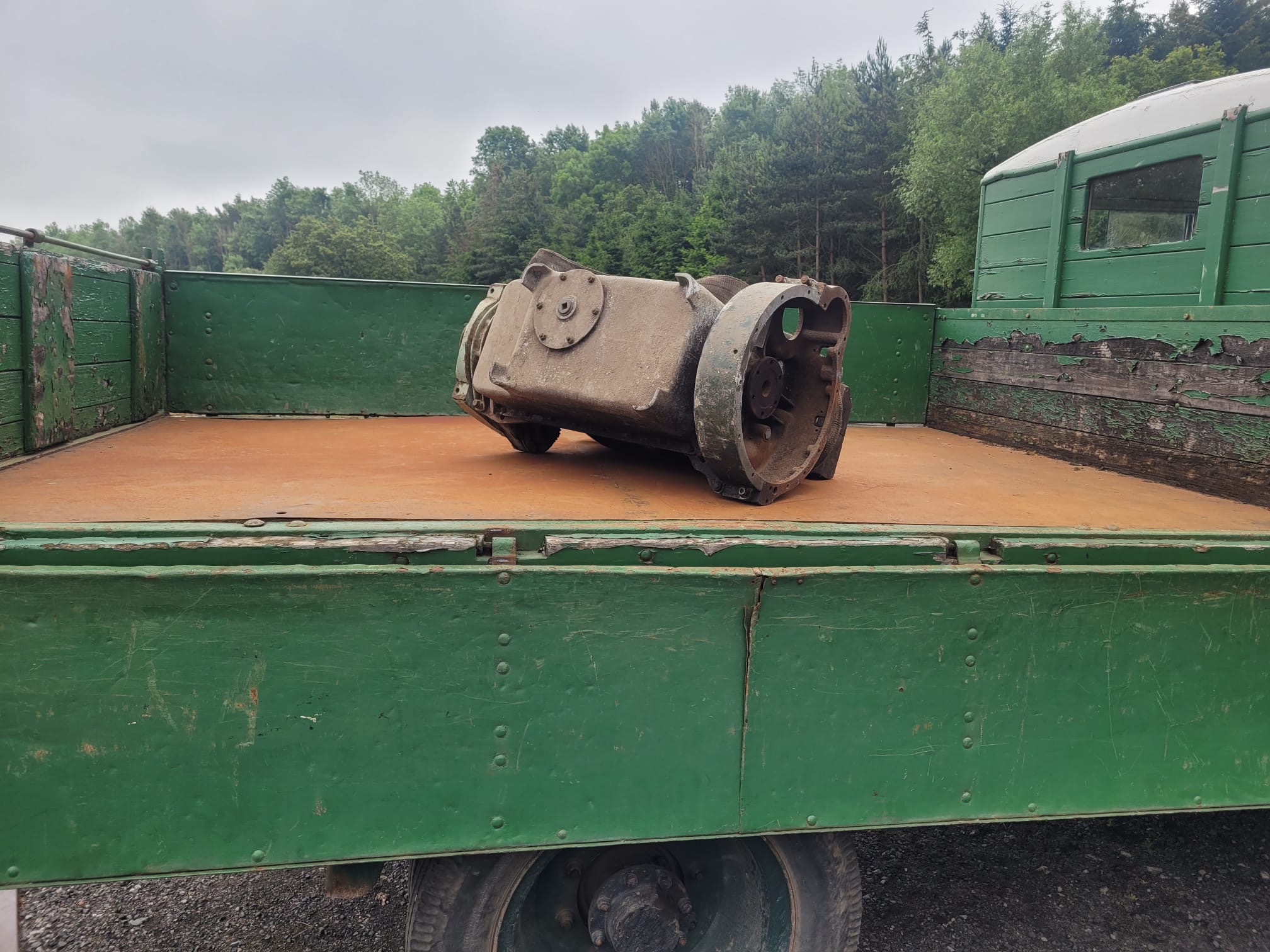
Below: The Leyland Cub Wheelchair Accessible Vehicle is one of our highest-mileage buses, accounting for almost a fifth of the total annual mileage. With this in mind, and other work on it looming next winter, a start has been made on the overhaul of a spare engine, so that a rapid engine swap can form part of that programme. The raw unit has been extracted from storage (seen in the back of the Leyland Cub KG2 tipper, appropriately).
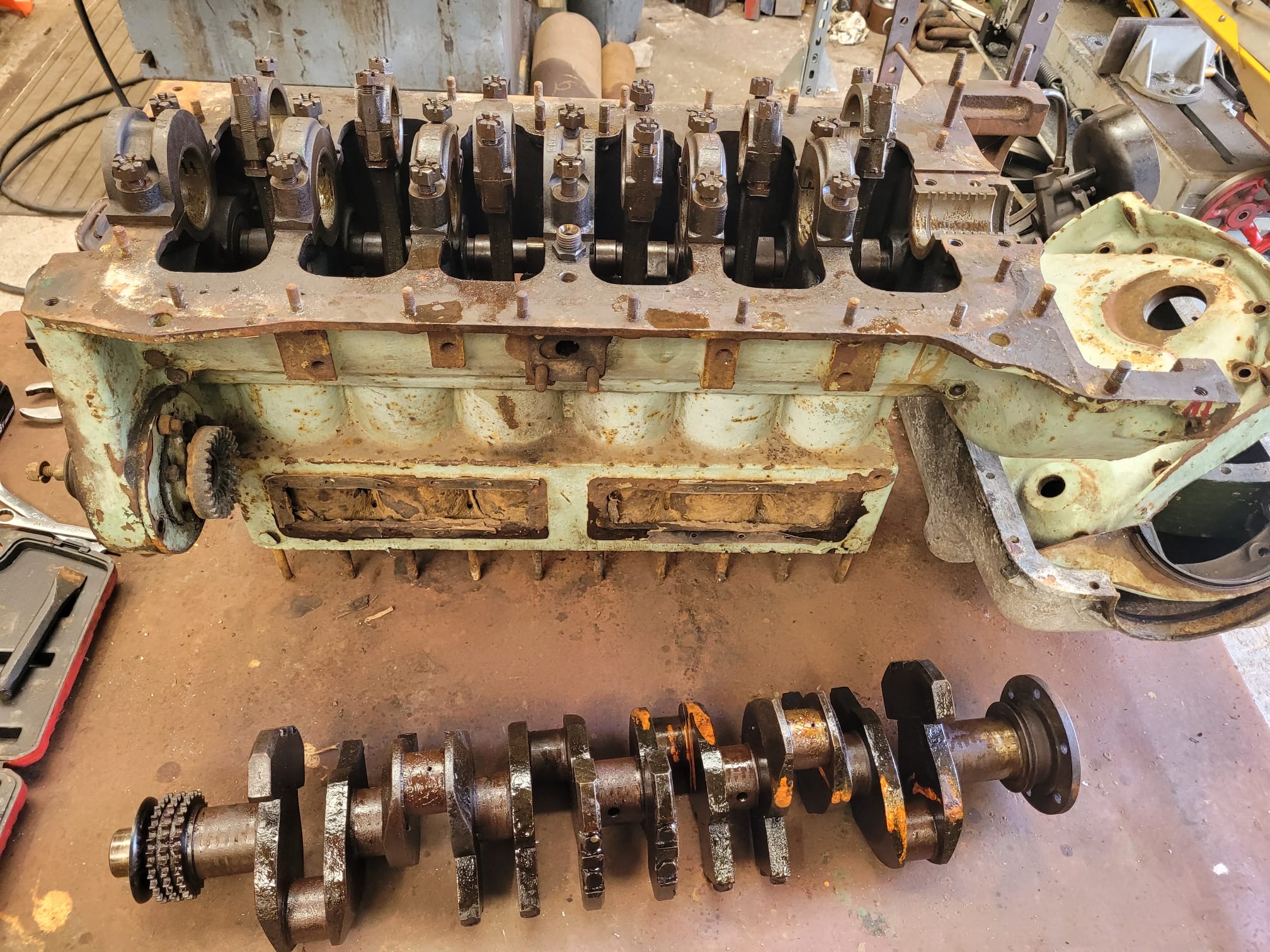
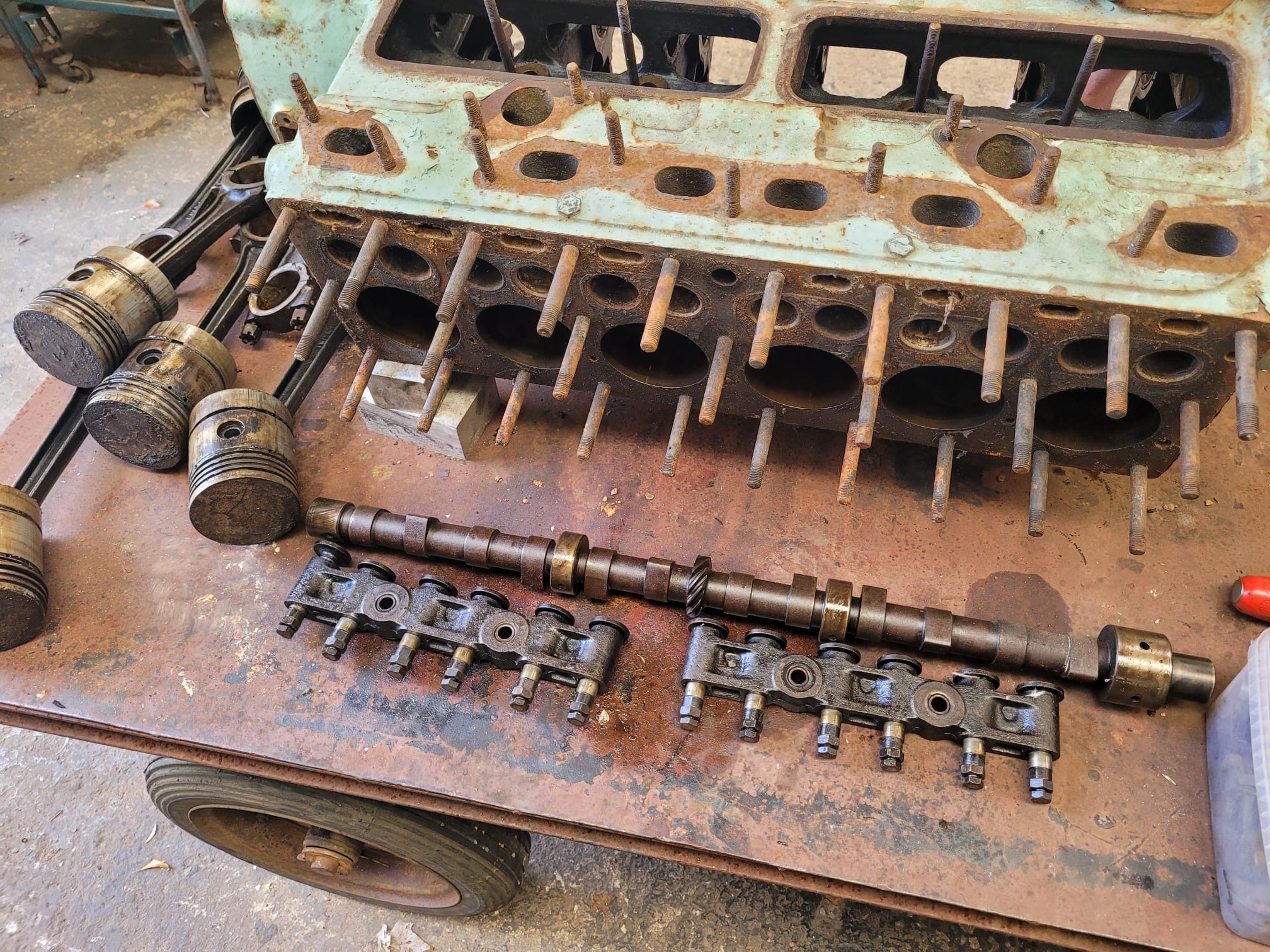
Below: The engine has been dismantled for assessment. We have a certain number of new (old) parts in stock that will be included in this project. The aim for the programme of work is January 2027, when the engine swap is planned, along with work on the body, paintwork and numerous other jobs. A full CAD drawing of the gears/shafts for the gearbox has also been created and 3D printed in order to establish whether or not a refurbished gearbox will also form part of the work.
Rotherham 220
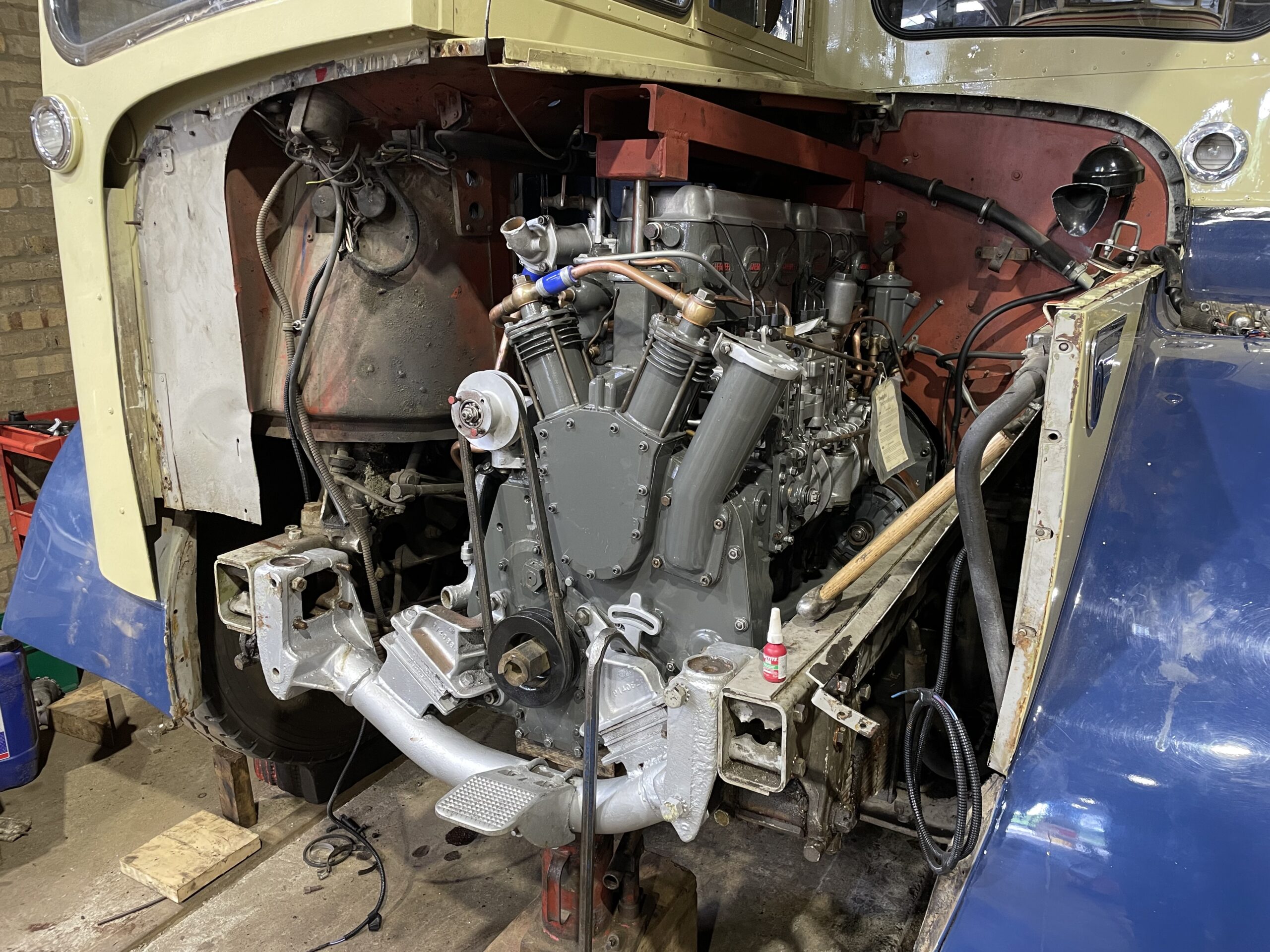
Below: The overhauled Gardner engine has now been installed into No.220 and next week the work of making all of the connections will begin, before a test-start can be considered.
Tyne & Wear Metro
We noted with interest the last operation of the Tyne & Wear Metrocars at the end of June. A number of these units were offered to potential new homes by Nexus some time ago, including Beamish. We did express an interest at the time, but after considerable thought and consideration, concluded that the museum would not be able to offer a suitable home for a set, partly on the grounds of space and cost of establishing a suitable location to display a set, but also because it would not be undercover – wherever possible we collect items with the potential to be able to keep them undercover in mind (even if not immediately), and this would have proven to be impractical in this instance. The earmarked (4020) set has now moved to the North East Land Sea & Air Museum (NELSAM) in Sunderland, where it has been put on display.
Roker
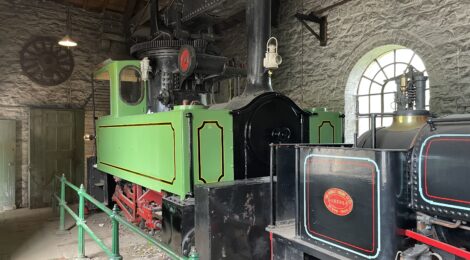
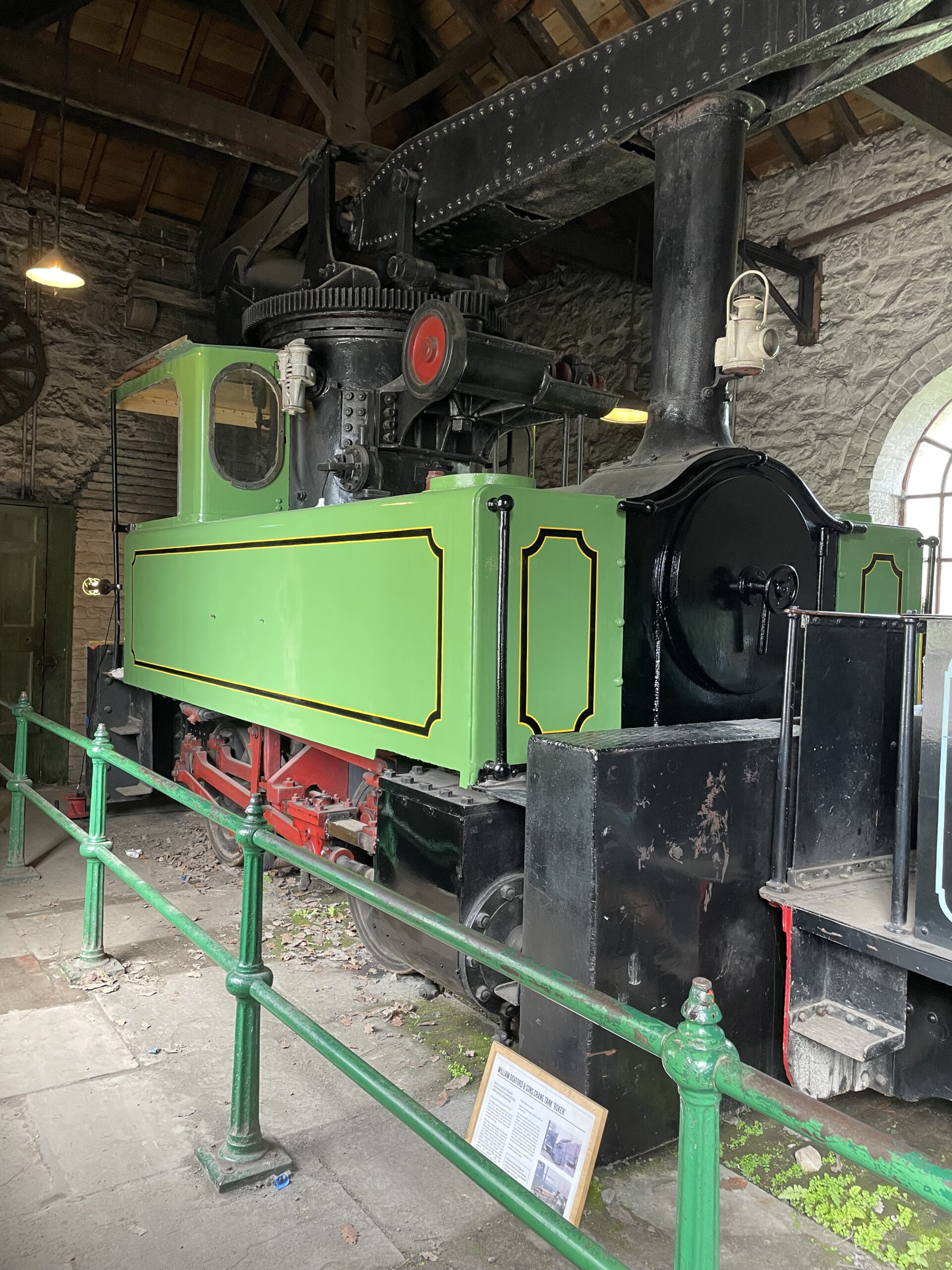
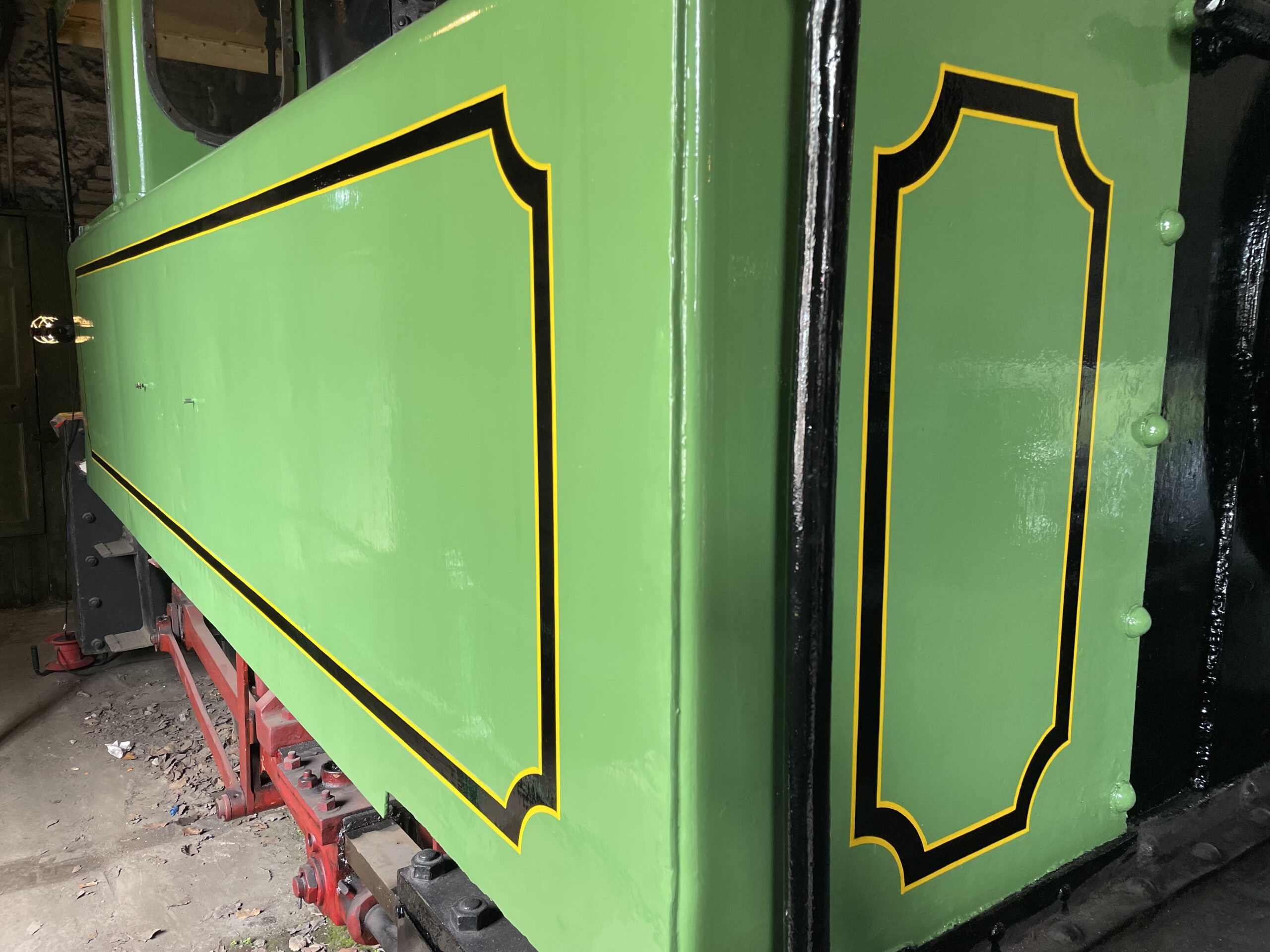
Below: The application of the green paintwork (again, it looks lighter than it appears in real life in these photographs) was completed in time for Aaron from Valentine Signs to apply the lining to the locomotive. Measurements were kindly supplied by the Bahamas Locomotive Society, who are restoring another Doxford Crane Tank, Southwick, to working order at their base at Ingrow, on the Keighley & Worth Valley Railway. Aaron was able to use these to set out and apply the black, edged with yellow, lining panels on the tank sides, fronts and cab backsheet.
First, the lines for the black centre were chalked onto the loco, complete with radius corners. Then the black was applied between the chalk markings.
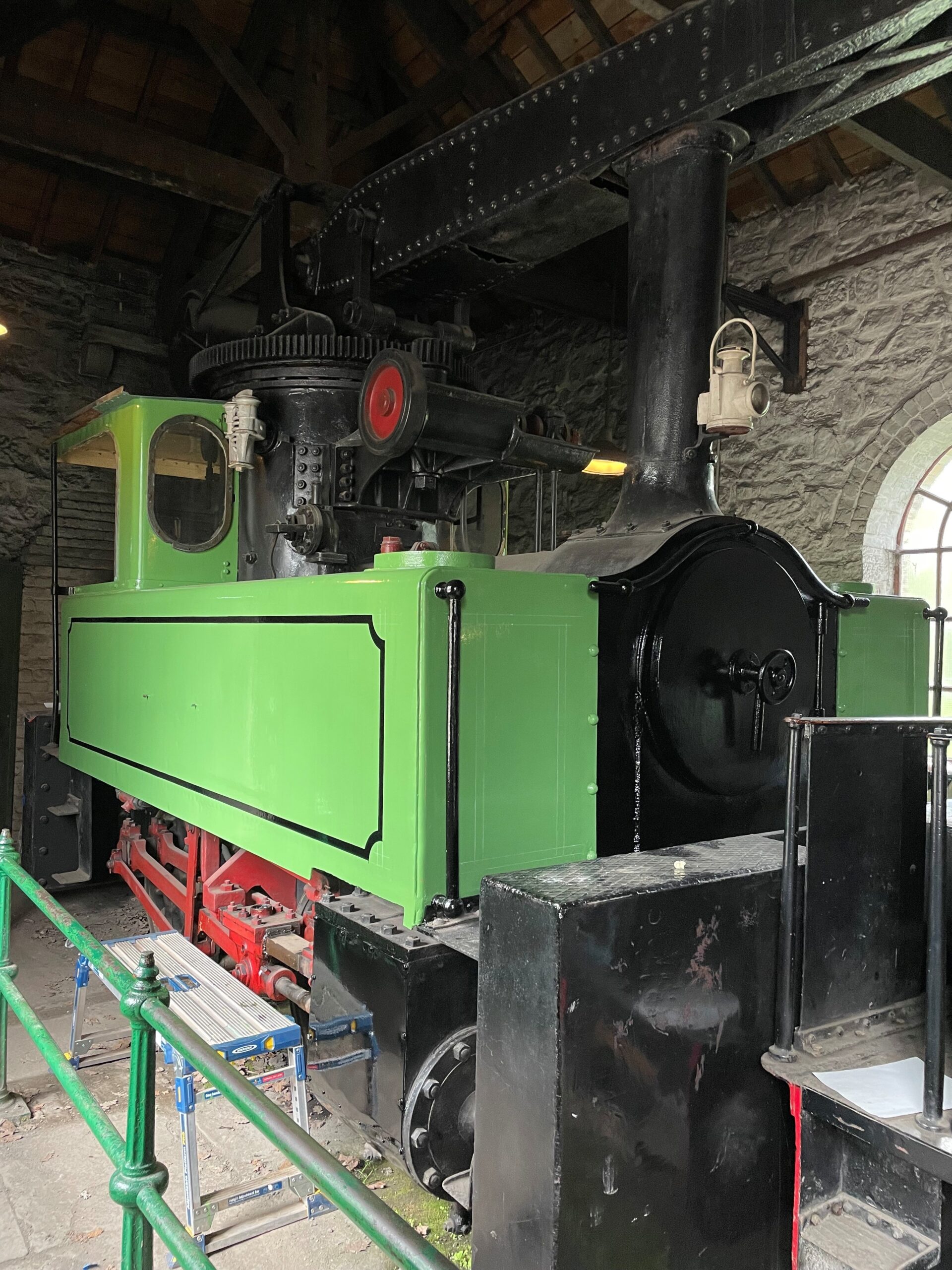
Below: the application of the yellow lines either side of the black central line transforms the appearance – this work now being complete. There is further cosmetic work to carry out, as well as fit name/works plates and tidy up some of the black paintwork. The valve hear also needs a thorough clean.
Steam Elephant
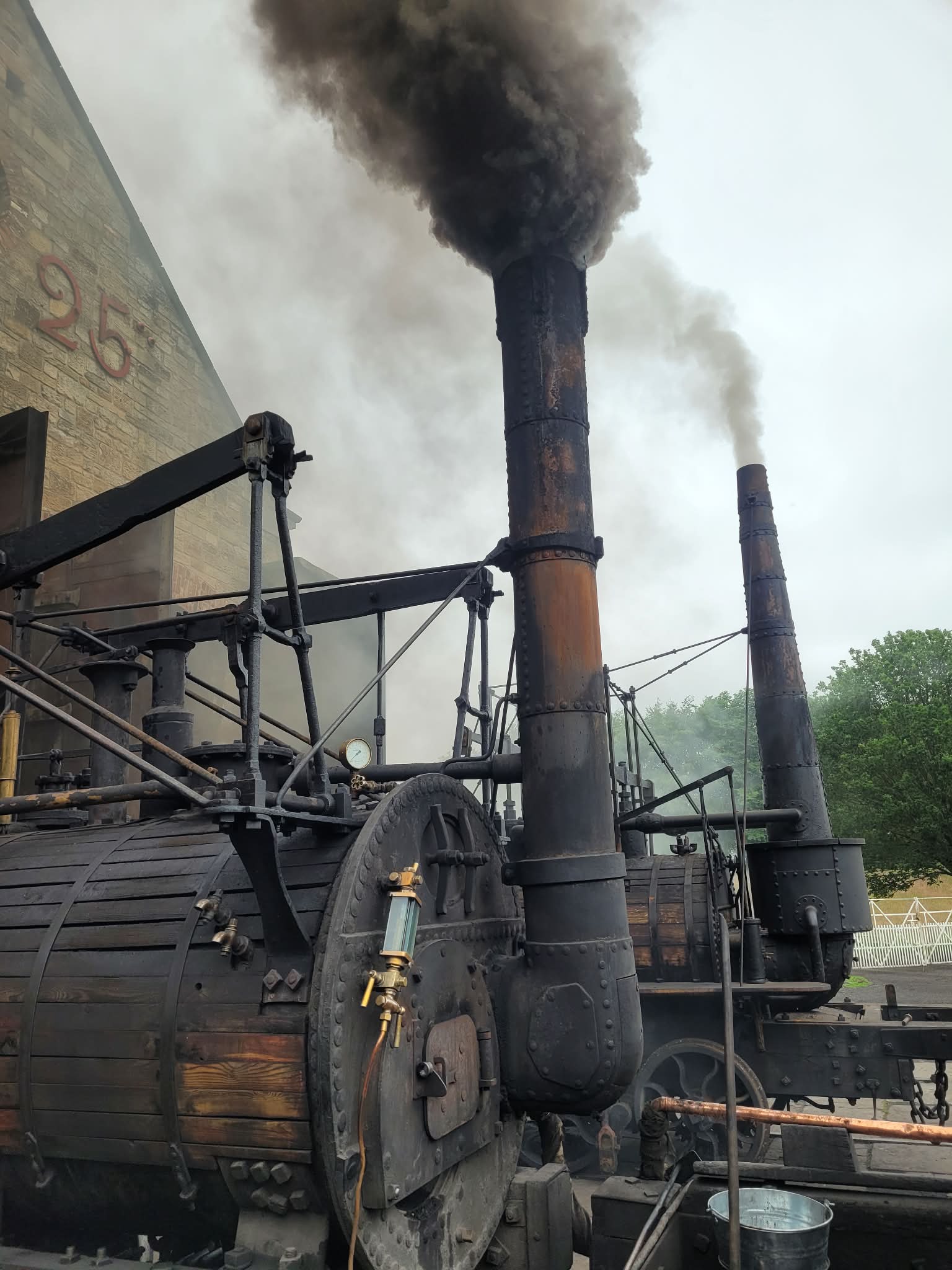
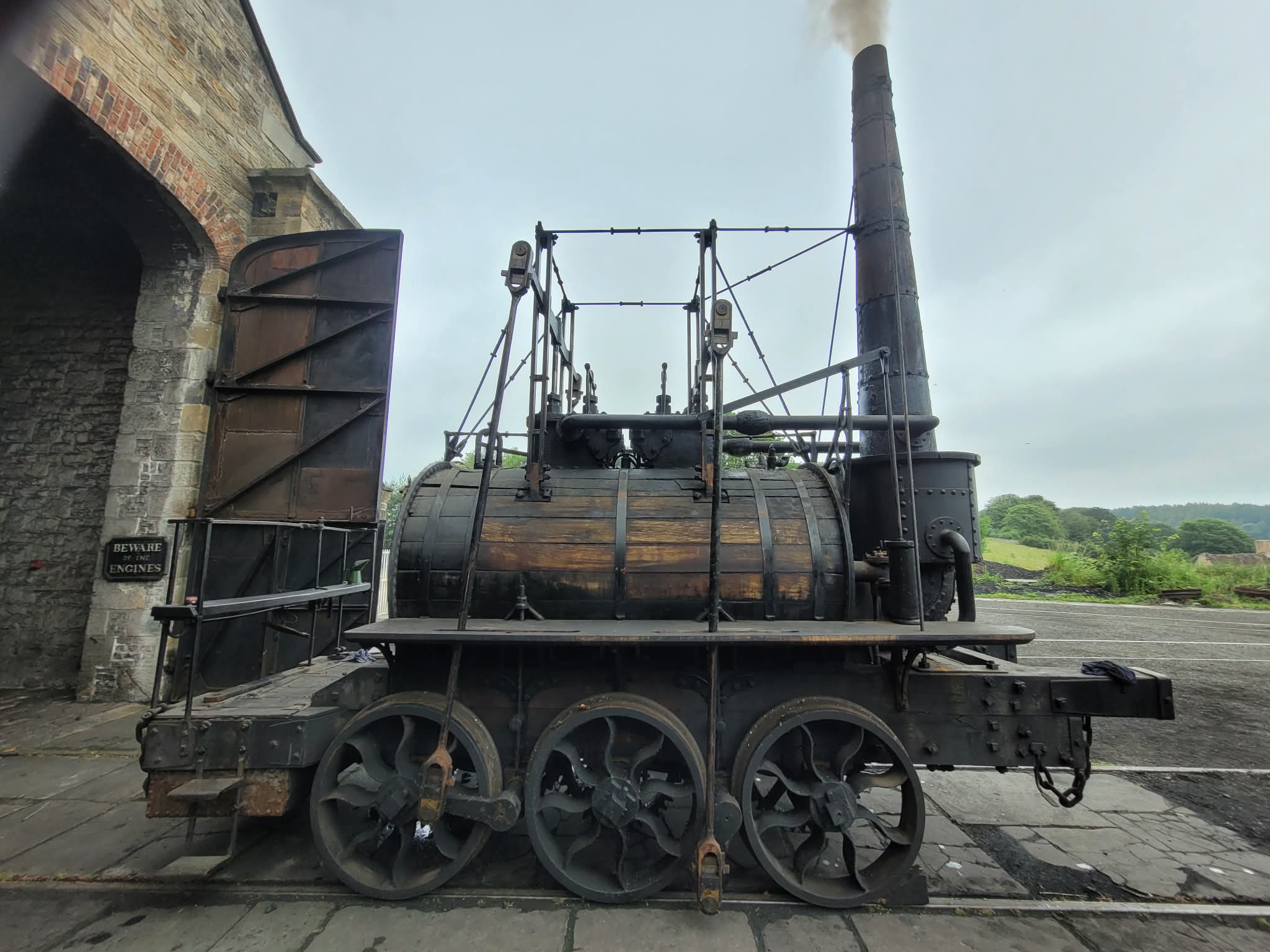
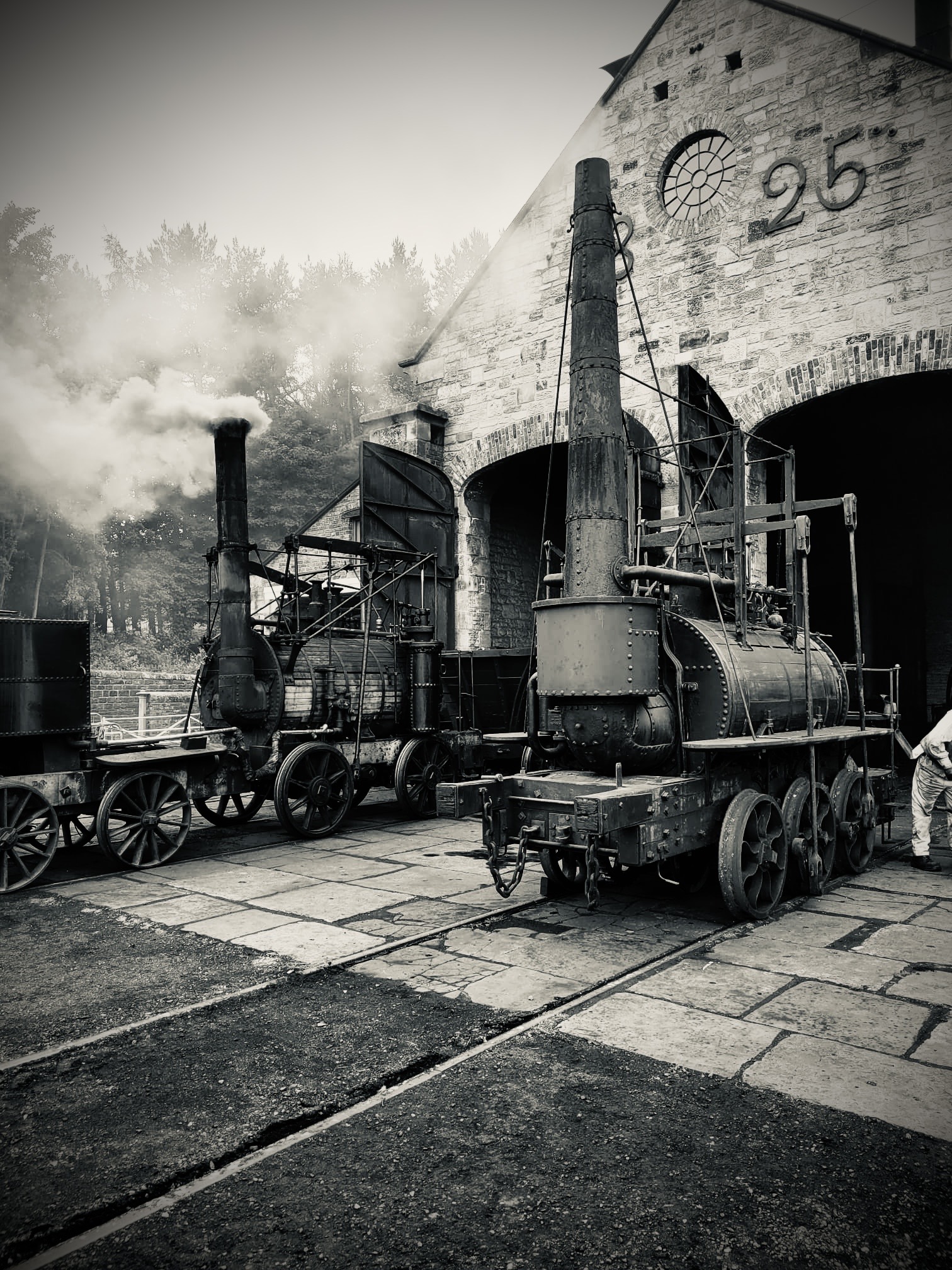
Below: Steam Elephant has now passed its insurance company steam test. Work to prepare it was completed at the end of June, though there are still jobs being undertaken before it can pass its Beamish Fitness To Run (FTR) examination and enter service again. Some jobs will also be postponed to the winter, including repair (or replacement of) the water tank beneath the footplate.
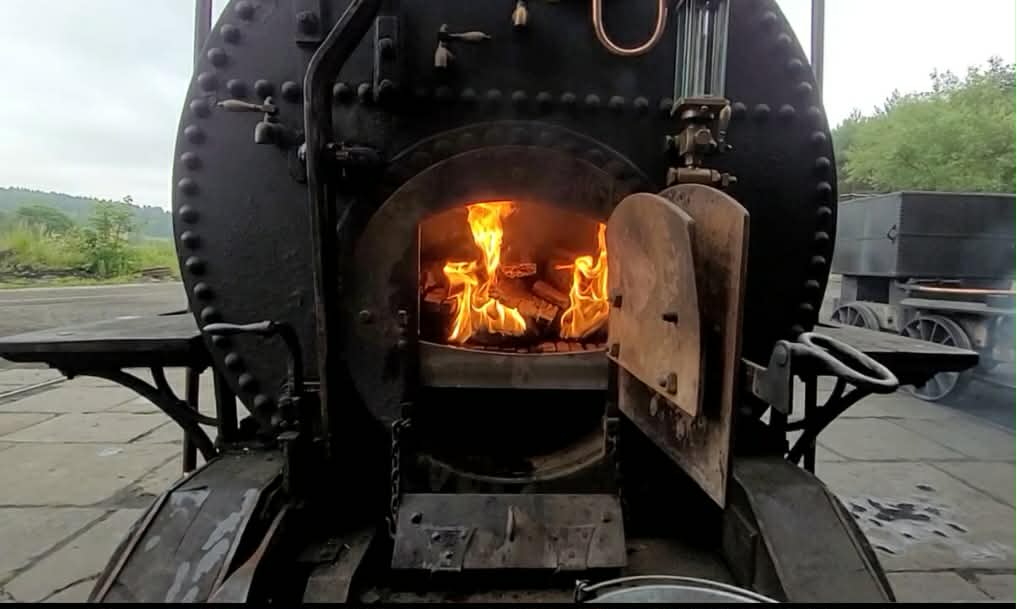
Below: Two engines in steam at the Waggonway – for the first time in quite a few years.
Dunrobin
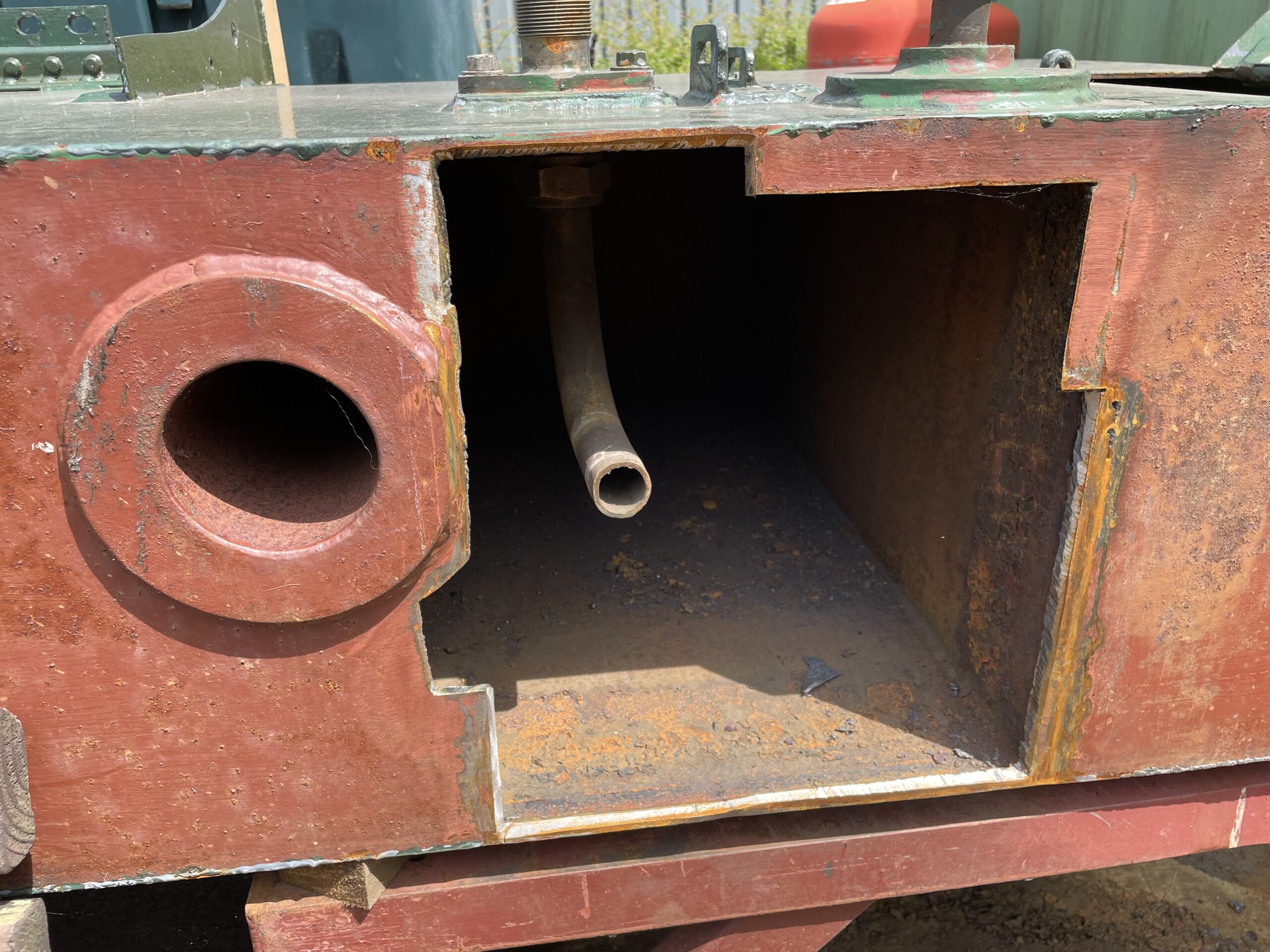
Below: The rather fiddly work to rebate the doubling plates on the base of Dunrobin’s tanks continues, and as it has meant disturbing the filter basket for the water feed to the injector, this area has also been removed to ease access and for some modifications to be made internally. We are keen to get the tanks back to the SVR in order for them to be trial fitted to the locomotive, which in turn would allow trial fitting of the cab assembly too – the top section being the only original piece of the superstructure that is being retained.
Rowley Station
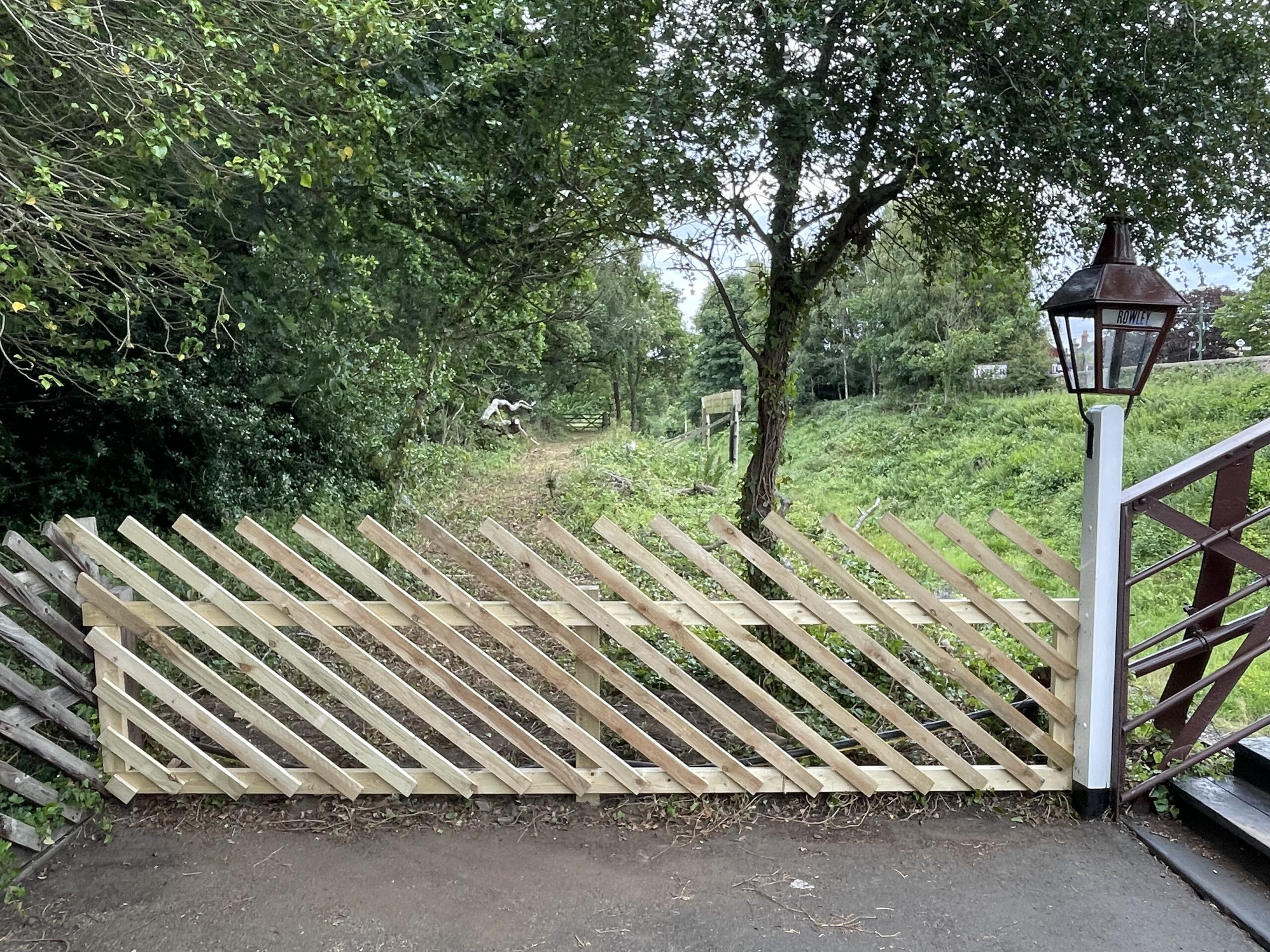
Below: A new section of fencing marks the entry point for a piece of tracked machinery that was needed to reach the ventilator atop the signalbox roof. This was unloaded behind the Town and tracked its way along the embankment top, re-establishing an old route (note the gate in the distance) to reach this location. After it had finished, a new section of fencing was installed. There is some appeal to this route, but little visitor value in re-establishing it, and it would require fencing if it were opened. But a nice ‘might have been’ nevertheless.
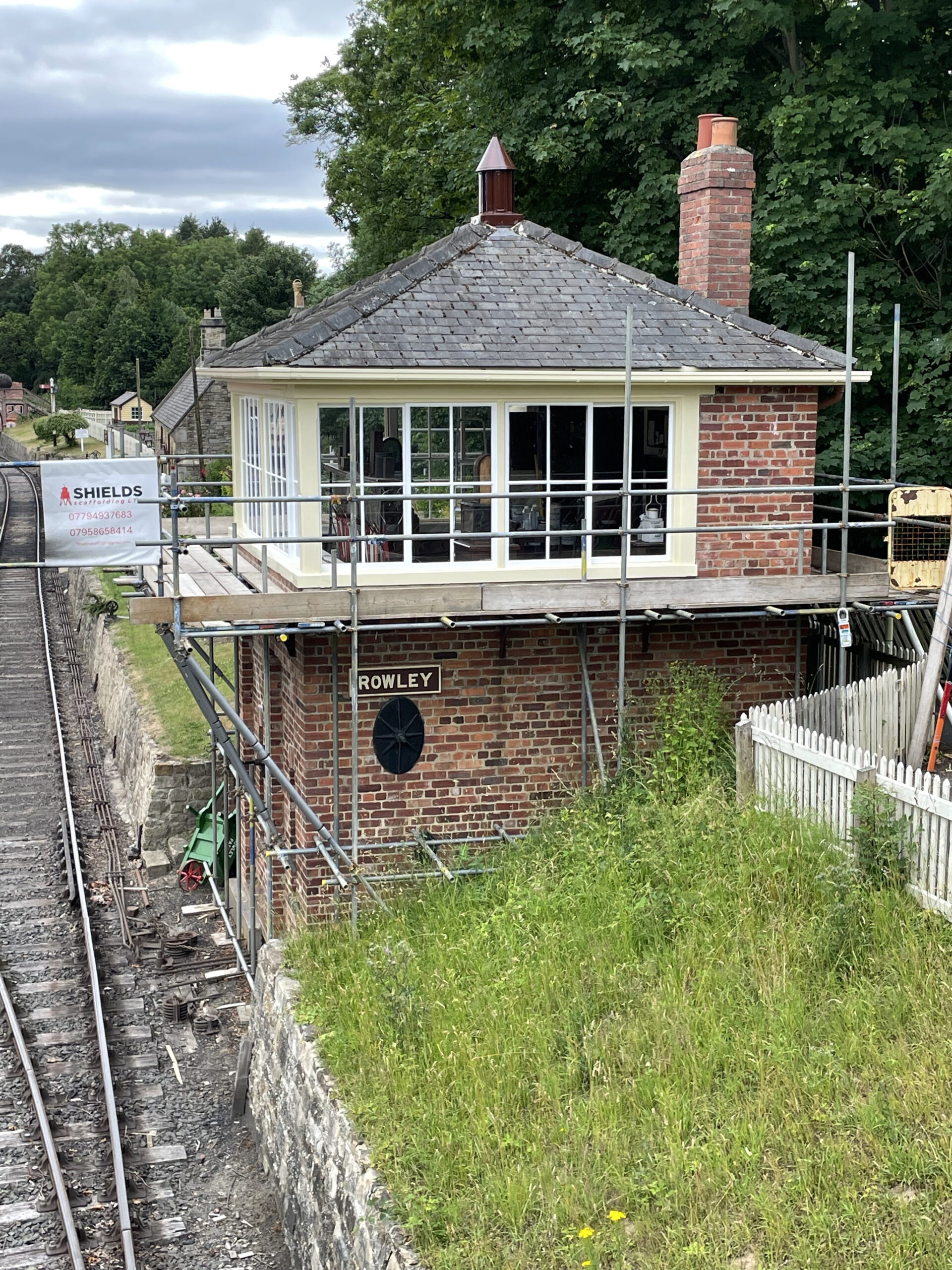
Below: With the new windows fitted, glazed and painted, and work on painting the window frames and ventilator also nearing completion, the scaffolding should soon be removed to reveal the signalbox in its much improved condition. The museum’s social media and website includes some content about the manufacture, by students at New College Durham, of the window frames.
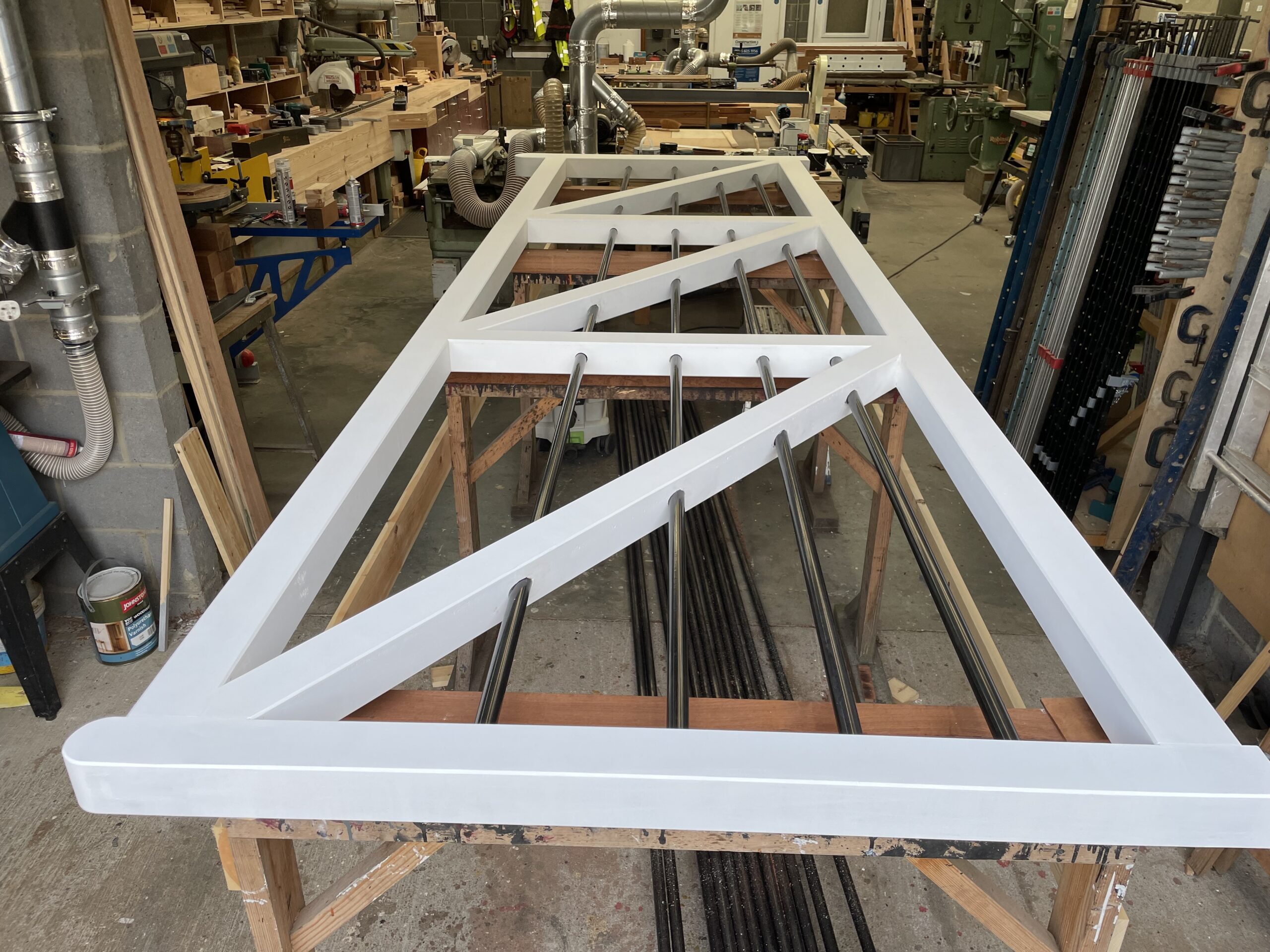
Below: Progress on the new crossing gates – the pipework has arrived that forms the horizontal bars, and as can be seen, the gates have had an application of white paint whilst easier to access.
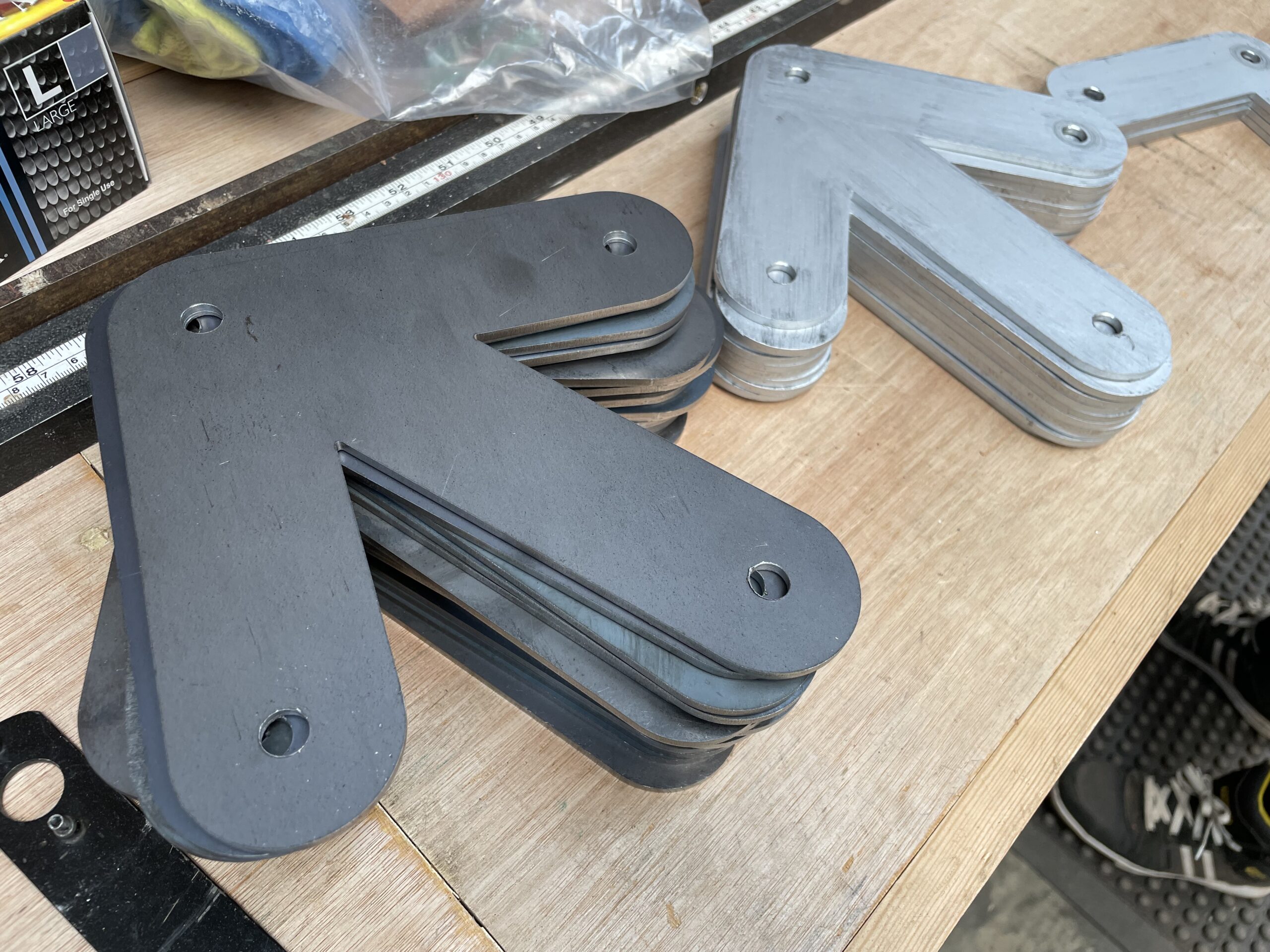
Below: Laser-cut angle and reinforcement plates have been prepared for the gates, and will be painted and fitted once assembly has been completed. A means of relieving the gate hinges of some of the incredible weight of the gates is also being devised.
Photographs by Matt Bedard, Phil Doran, Paul Jarman and Peter Marshall


Paul,
Are you able to say for certain when the narrow gauge railway is operating this summer?
Thanks
Hi – I’m afraid that I’m unable to indicate those dates – there are no operational dates in the calendar for 2026, for the narrow gauge, instead it is used on an ad-hoc basis to support other events. Glyder is making a rare visit to another site later this month, so there will be some movements in association with this.
It’s worth describing the structure here – my role is in provision of ‘stuff’ – rolling stock, infrastructure, tech support etc. The Operations team sits in another department, who provide the operators/crews, as part of the engagement delivery at the museum. They have, in the past, been able to operate the narrow gauge twice a week in the summer, but this year I believe there are some challenges to staffing the operation at the required level, so they are not able to run the narrow gauge and are running Rowley/Waggonway five days a week. We, as a museum management team, are keen to see a return to seven-day operation, however.
Therefore, the narrow gauge has lately sat in the hands of the engineering/curatorial team (i.e. me plus guests) for any function (the same applies to the Colliery standard gauge railway). This tends to operate the line for events, as mentioned, or for when there is a need i.e. preparing locos for movement off/on site.
The narrow gauge will almost certainly run again this year, but will do so on an as/when basis and I will note such on the transport blog (which remains on this platform, rather than the museum website, for now). I would expect us to have an event in the late summer/autumn using our own exhibits as the basis for some added-value engagement on site.
This also applies to the forthcoming visit of GER 229, which will be operating at weekends at Rowley during the school holidays. I had hoped that it would also run some Mondays or Fridays, but am told that this will not be possible due to the staffing levels for competent operators available.
I hope that helps clarify the situation and also why it is sometimes not possible to commit to dates for certain parts of the collection, such as the narrow gauge railway, being in use.
Best wishes
Paul
Thanks for clarifying that, Paul.